3 views
·
Last viewed: 18 hrs ago
Uploaded: 25 Sep 2026 (2 days ago) · Shared: 26 Sep 2026
Duration: 1:38:43
Uploaded: 25 Sep 2026 (2 days ago) · Shared: 26 Sep 2026
Duration: 1:38:43
Youtube Description:
Please help us continue having these discussions on Patreon, or follow us on other Podcast channels here:
00:00:00 Intro
00:05:30 Ramon arrives - poetic epigraph
00:06:30 What does it mean for God to Speak?
00:09:47 Is Arabic Special? Is it older than Nature?
00:12:04 Is the Quran translated into Arabic from Transcendent Speech?
00:14:11 Could putting God's words in a human language degrade them?
00:18:41 Are Arabic speakers especially chosen by God? Is Islam exclusive?
00:23:05 Should all Muslims learn Classical Arabic?
00:25:48 If you have two sentences that say the same thing in different words, could they both be from God?
00:32:49 What is the basis of the Quran's authority?
00:39:21 Variants of the Quran
00:48:22 The first printed Qurans. Literacy.
00:52:55 Can deaf illiterate people experience the Quran?
00:56:55 The mysteries of meaning. How do words mean things?
01:01:40 Is beauty truth? Is the Quran beautiful?
01:12:37 Would God choose to reveal himself in common language?
01:16:13 Did anyone ever try to write a better Quran?
01:22:25 The proof of the Quran lies in its effect on people.
01:27:16 Why did God stop revealing himself? Why are there no prophets after Muhammad?
01:32:10 Is God active in the lives of all humans?
01:34:22 Did the companions' editorial power cease after their death?
Please help us continue having these discussions on Patreon, or follow us on other Podcast channels here:
00:00:00 Intro
00:05:30 Ramon arrives - poetic epigraph
00:06:30 What does it mean for God to Speak?
00:09:47 Is Arabic Special? Is it older than Nature?
00:12:04 Is the Quran translated into Arabic from Transcendent Speech?
00:14:11 Could putting God's words in a human language degrade them?
00:18:41 Are Arabic speakers especially chosen by God? Is Islam exclusive?
00:23:05 Should all Muslims learn Classical Arabic?
00:25:48 If you have two sentences that say the same thing in different words, could they both be from God?
00:32:49 What is the basis of the Quran's authority?
00:39:21 Variants of the Quran
00:48:22 The first printed Qurans. Literacy.
00:52:55 Can deaf illiterate people experience the Quran?
00:56:55 The mysteries of meaning. How do words mean things?
01:01:40 Is beauty truth? Is the Quran beautiful?
01:12:37 Would God choose to reveal himself in common language?
01:16:13 Did anyone ever try to write a better Quran?
01:22:25 The proof of the Quran lies in its effect on people.
01:27:16 Why did God stop revealing himself? Why are there no prophets after Muhammad?
01:32:10 Is God active in the lives of all humans?
01:34:22 Did the companions' editorial power cease after their death?
Explore More
Search Google Search Explore Topics The Quran GOD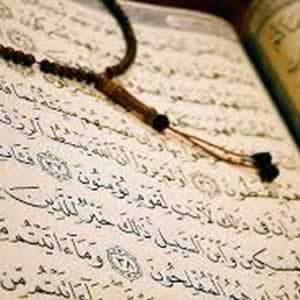 What is The Quran?
Quran, literally meaning "the recitation" is the central religious text of Islam, which Muslims believe to be a revelation from God (Allah). It is widely regarded as the finest work in classical Arabic literature. The Quran is divided into chapters (surah in Arabic), which are then divided into verses (ayah). Muslims believe that the Quran was verbally revealed by God to Muhammad through the angel Gabriel (Jibril), gradually over a period of approximately 23 years, beginning on 22 December 609 CE, when Muhammad was 40, and concluding in 632, the year of his death. Muslims regard the Quran as the most important miracle of Muhammad, a proof of his prophethood, and the culmination of a series of divine messages that started with the messages revealed to Adam and ended with Muhammad.
 Who is GOD?
In monotheism and henotheism, God is conceived as the Supreme Being and principal object of faith. The concept of God as described by theologians commonly includes the attributes of omniscience (infinite knowledge), omnipotence (unlimited power), omnipresence (present everywhere), omnibenevolence (perfect goodness), divine simplicity, and eternal and necessary existence. In theism, God is the creator and sustainer of the universe In deism, God is the creator, but not the sustainer, of the universe Monotheism is the belief in the existence of one God or in the oneness of God In pantheism, God is the universe itself In atheism, God is purported not to exist, while deemed unknown or unknowable within the context of agnosticism.