Youtube Description:
The potential for mRNA vaccines to cause cancer
Theoretical mechanisms
DNA Integration
mRNA or fragments, reverse transcriptase, potentially disrupting tumour suppressor genes or activating oncogenes
DNA contamination, integrate into the genome
Contaminants in Vaccine Production
Pfizer COVID-19 modRNA vaccines also contained an SV40
Inactivated tumour suppressor genes, p53 and Rb, promoting unchecked cell growth
Prolonged Spike Protein Expression
N1-methyl-pseudouridine-modified mRNA encoding the SARS-COVID-19 Spike protein
Lipid nanoparticle (LNP) delivery to stem cells
Sustained spike protein production,
induce chronic inflammation,
disrupt cellular repair mechanisms.
Immune Suppression or Dysregulation
Molecular Mimicry, Autoimmunity, inflammation
Alter regulatory T-cell function, (potentially allowing pre-existing cancers to progress).
(If the spike protein shares epitopes with tumour suppressor proteins)
The potential for mRNA vaccines to cause cancer
Theoretical mechanisms
DNA Integration
mRNA or fragments, reverse transcriptase, potentially disrupting tumour suppressor genes or activating oncogenes
DNA contamination, integrate into the genome
Contaminants in Vaccine Production
Pfizer COVID-19 modRNA vaccines also contained an SV40
Inactivated tumour suppressor genes, p53 and Rb, promoting unchecked cell growth
Prolonged Spike Protein Expression
N1-methyl-pseudouridine-modified mRNA encoding the SARS-COVID-19 Spike protein
Lipid nanoparticle (LNP) delivery to stem cells
Sustained spike protein production,
induce chronic inflammation,
disrupt cellular repair mechanisms.
Immune Suppression or Dysregulation
Molecular Mimicry, Autoimmunity, inflammation
Alter regulatory T-cell function, (potentially allowing pre-existing cancers to progress).
(If the spike protein shares epitopes with tumour suppressor proteins)
Explore More
 Who is John Campbell?
My name is John Campbell. I am a retired Nurse, Teacher, and A&E nurse based in England. I also do some teaching in Asia and Africa when time permits. These videos are to help students to learn the background to all forms of health care. My PhD
focused on the development of open learning resources for nurses nationally and internationally.
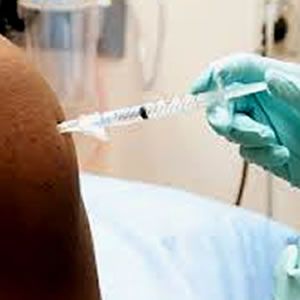 What is Vaccine?
A vaccine is a biological preparation that provides active acquired immunity to a particular infectious disease. A vaccine typically contains an agent that resembles a disease-causing microorganism and is often made from weakened or killed forms of
the microbe, its toxins, or one of its surface proteins. The agent stimulates the body's immune system to recognize the agent as a threat, destroy it, and to further recognize and destroy any of the microorganisms associated with that agent that it may encounter in the future. The administration of vaccines is called vaccination. Vaccination is the most effective method of preventing infectious diseases; widespread immunity due to vaccination is largely responsible for the worldwide eradication of smallpox and the restriction of diseases such as polio, measles, and tetanus from much of the world.
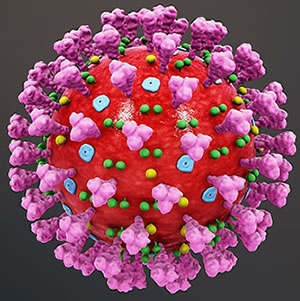 What is COVID?
Coronaviruses are a group of viruses that cause diseases in mammals and birds. In humans, coronaviruses cause respiratory tract infections that are typically mild, such as the common cold, though rarer forms such as SARS, MERS, and COVID-19 can be
lethal. Symptoms vary in other species: in chickens, they cause an upper respiratory tract disease, while in cows and pigs they cause diarrhea. There are yet to be vaccines or antiviral drugs to prevent or treat human coronavirus infections.