Youtube Description:
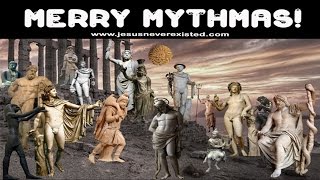
When we think about animal sacrifice, ancient societies such as the Greeks come to mind. But why did they ritually slaughter animals? What did this do for their society?
Part 1: The Origins of Animal Sacrifice:
Thank you to our patrons on Patreon who support this channel!
Patreon:
Andrew's religious studies book recommendations:
Photo attributions:
Sphageion:
Roman Procession image:
Hermes altar, Agora of the Competaliasts on Delos:
limestone Cypriot priest:
Demeter votive:
When we think about animal sacrifice, ancient societies such as the Greeks come to mind. But why did they ritually slaughter animals? What did this do for their society?
Part 1: The Origins of Animal Sacrifice:
Thank you to our patrons on Patreon who support this channel!
Patreon:
Andrew's religious studies book recommendations:
Photo attributions:
Sphageion:
Roman Procession image:
Hermes altar, Agora of the Competaliasts on Delos:
limestone Cypriot priest:
Demeter votive:
Explore More
 Who are ReligionForBreakfast?
ReligionForBreakfast is an educational channel dedicated to the academic, nonsectarian study of religion. We strive to raise the level of conversation about religion on YouTube by exploring surprising facts about humanity's beliefs and rituals
through an anthropological, sociological, and archaeological lens. Here at RFB we respect everyone: religious, non-religious, and everyone in between.
 What is Animal Sacrifice?
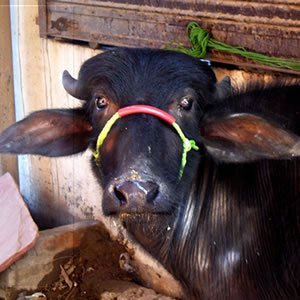
Animal sacrifice is the ritual killing and offering of animals, usually as part of a religious ritual or to appease or maintain favour with a deity. Animal sacrifices were common throughout Europe and the Ancient Near East until the spread of
Christianity in Late Antiquity, and continue in some cultures or religions today. Human sacrifice, where it existed, was always much rarer.
 What is The Gods?
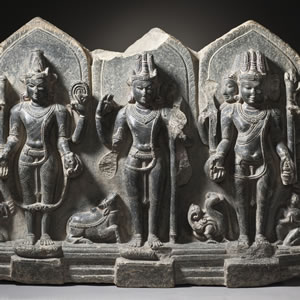
Polytheism is the worship of or belief in multiple deities, usually as a pantheon of gods and goddesses. In most religions which accept polytheism, the different gods and goddesses are representations of forces of nature or ancestral principles, and
can be viewed either as autonomous or as aspects or emanations of a creator deity or transcendental absolute principle (monistic theologies), which manifests immanently in nature (panentheistic and pantheistic theologies). Most of the polytheistic deities of ancient religions, with the notable exceptions of the Ancient Egyptian and Hindu deities, were conceived as having physical bodies. Polytheism is a type of theism. Within theism, it contrasts with monotheism, the belief in a singular God, in most cases transcendent. Important polytheistic religions practiced today include Chinese traditional religion, Hinduism, Japanese Shinto, and various neopagan faiths.