Youtube Description:
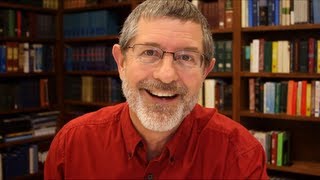
Ed has lived homeless in the United Kingdom for the last seven years. His ex-partner walked out the door with both of his kids, his best friend, and all of his money.
In many cities, anti-homelessness laws such as making it illegal to panhandle continue to increase. In Cardiff, Wales it's illegal to beg for money. Homeless people caught begging for money get arrested and fined. Ed says the fine is around £80 or $107 in USD. It makes little sense to fine homeless people for panhandling when they have zero income to pay for the fine.
Ed shares that homeless people get to the point where you question what's life worth. He had a friend that committed suicide over sleeping rough.
Homelessness is dangerous. One of Ed's friends was kicked to death by teenagers over a pack of tobacco.
________________________________________________
Subscribe here:
Invisible People’s website:
Support Invisible People:
On Patreon:
Invisible People’s Social Media:
About Invisible People:
Invisible People goes beyond the rhetoric, statistics, political debates, and limitations of social services to examine poverty in America via a medium that audiences of all ages can understand, and can’t ignore. The vlog puts into context one of our nation’s most troubling and prevalent issues through personal stories captured by the lens of Mark Horvath – its founder – and brings into focus the pain, hardship and hopelessness that millions face each day. One story at a time, videos posted on InvisiblePeople.tv shatter the stereotypes of America’s homeless, force shifts in perception and deliver a call to action that is being answered by national brands, nonprofit organizations and everyday citizens now committed to opening their eyes and their hearts to those too often forgotten.
Invisible People is a 501(c)(3) nonprofit organization dedicated to changing the way we think about people experiencing homelessness.
Ed has lived homeless in the United Kingdom for the last seven years. His ex-partner walked out the door with both of his kids, his best friend, and all of his money.
In many cities, anti-homelessness laws such as making it illegal to panhandle continue to increase. In Cardiff, Wales it's illegal to beg for money. Homeless people caught begging for money get arrested and fined. Ed says the fine is around £80 or $107 in USD. It makes little sense to fine homeless people for panhandling when they have zero income to pay for the fine.
Ed shares that homeless people get to the point where you question what's life worth. He had a friend that committed suicide over sleeping rough.
Homelessness is dangerous. One of Ed's friends was kicked to death by teenagers over a pack of tobacco.
________________________________________________
Subscribe here:
Invisible People’s website:
Support Invisible People:
On Patreon:
Invisible People’s Social Media:
About Invisible People:
Invisible People goes beyond the rhetoric, statistics, political debates, and limitations of social services to examine poverty in America via a medium that audiences of all ages can understand, and can’t ignore. The vlog puts into context one of our nation’s most troubling and prevalent issues through personal stories captured by the lens of Mark Horvath – its founder – and brings into focus the pain, hardship and hopelessness that millions face each day. One story at a time, videos posted on InvisiblePeople.tv shatter the stereotypes of America’s homeless, force shifts in perception and deliver a call to action that is being answered by national brands, nonprofit organizations and everyday citizens now committed to opening their eyes and their hearts to those too often forgotten.
Invisible People is a 501(c)(3) nonprofit organization dedicated to changing the way we think about people experiencing homelessness.
Explore More
 Who are Invisible People?
We imagine a world where everyone has a place to call home. Each day, we work to fight homelessness by giving it a face while educating individuals about the systemic issues that contribute to its existence. Through storytelling, education, news, and
activism, we are changing the narrative on homelessness. However, there is more work to be done on the road ahead. Homelessness is undoubtedly one of our biggest societal issues today and will only continue to grow if we don't take action now.
 Who are Children?
A child or children, is a human being between the stages of birth and puberty, or between the developmental period of infancy and puberty. The term may also refer to an unborn human being. In English-speaking countries, the legal definition of child
generally refers to a minor, in this case as a person younger than the local age of majority, regardless of their physical, mental and sexual development as biological adults. Children generally have fewer rights and responsibilities than adults.
What is Hellfire?In religion and folklore, Hell is a location or state in the afterlife in which souls are subjected to punishment after death. Religions with a linear divine history sometimes depict hells as eternal, such as in some versions of Christianity and
Islam. Religions typically locate hell in another dimension or under Earth's surface. Other afterlife destinations include heaven, paradise, purgatory, limbo, and the underworld. Other religions, which do not conceive of the afterlife as a place of punishment or reward, merely describe an abode of the dead, the grave, a neutral place that is located under the surface of Earth. Such places are sometimes equated with the English word hell, though a more correct translation would be "underworld" or "world of the dead".
What is Homeless?Homelessness is defined as living in housing that is below the minimum standard or lacks secure tenure. People can be categorized as homeless if they are: living on the streets (primary homelessness); moving between temporary shelters, including
houses of friends, family and emergency accommodation (secondary homelessness); living in private boarding houses without a private bathroom or security of tenure (tertiary homelessness).