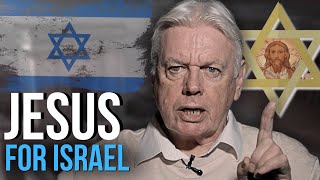
670 views
·
Last viewed: 2 days ago
Uploaded: 19 Apr 2020 (6 years ago) · Shared: 20 Apr 2020
Duration: 1:24:52
Uploaded: 19 Apr 2020 (6 years ago) · Shared: 20 Apr 2020
Duration: 1:24:52
Youtube Description
Desperate to reopen the economy, Government's will roll-out society's new rules for identifying & tracking people in the age of Covid-19, that sets-upworld for the Beast 666 System. Support this ministry so we can continue sharing signs of Biblical prophecy to the world, donate here: https://signsofthelastdays.org/product/donation/
We are supported by viewers who support this ministry with tax-deductible donations of any amount so we can continue to share Signs of the Last Days prophecies to the world. Donate Here: https://signsofthelastdays.org/product/donation/
How To View Video in Spanish: Cómo ver el video en español: coloque el mouse sobre el video, haga clic en el ícono del engranaje de configuración en la parte inferior derecha del video, haga clic en subtitles / cc, haga clic en inglés (generado automáticamente), haga clic en subtitles / cc nuevamente, haga clic en auto- traducir, seleccionar español de la lista, disfrutar.
Do you believe in ministry sharing the prophetic signs of Jesus’ coming? Then pray about joining with us as a monthly Partner in Prophecy giving any amount each month to share the signs of His coming. Become a monthly Partner In Prophecy donating here by checking the recurring contribution button: https://signsofthelastdays.org/giving-2/ God bless you.
THANK YOU TO ALL THOSE WHO GIVE TO SUPPORT THIS MINISTRY.
To Give Offering With PayPal Click Here: http://bit.ly/blessing4U
To give your offering by check, make payable to Signs of the Last Days and mail to:
(Sorry, we can no longer accept money orders.)
Signs of the Last Days
2951 Marina Bay Drive, Suite 130-440
League City, TX 77573
You can learn more about the Signs of the Last Days prophecies here: https://signsofthelastdays.org/shop/
The primary purpose of this video is to share information for educational and documentary purposes. The information we share has already been openly & widely reported by media and also in the prophecies of the Holy Scriptures. This not-for-profit research and educational use constitutes a fair use for service to the public.
https://signsofthelastdays.org/
FAIR USE STATEMENT: According to the “Fair Use” clause of International Copyright Law, the author declares that the use of photos, images, lyrics, video, or any other information in all academic/reference/scholarly works we do is for the purpose of “criticism, comment, news reporting, teaching, scholarship, or research” according to Section 107. – Limitations on exclusive rights: Fair Use, U.S. Copyright Code. We believe that our not-for-profit research and educational use constitutes a fair use of any copyrighted material (as provided for in section 107 of the U.S. Copyright Law.) United States Code: Title 17, Section 107
FAIR USE NOTICE: Video may contain some copyrighted material whose use has not been authorized by the copyright owners. We believe that our not-for-profit educational use constitutes a fair use of any such copyrighted material as provided for in Title 17 U.S.C. Section 107 of the US Copyright Law. In accordance with Title 17 U.S.C. Section 107, the material on this is distributed without profit with the included information for research and educational purposes.
Explore More
Search Google Search Explore Topics Signs Last Days Coronavirus Antichrist Sin Who is Signs Last Days?
William Thompson is founder and president of Signs of the Last Days Ministry. Signs of the Last Days is a Christian Ministry that helps people to understand the signs of the prophecies in world events and to prepare for the coming of Jesus Christ. Thompson has a seminary degree in theology and a master of education degree with 18 years of ministerial teaching experience. Additionally, he is also an author and publisher, and has 17 years of coaching/consulting experience in transformation. He is an ordained Christian teacher.
 What is Coronavirus?
Coronaviruses are a group of viruses that cause diseases in mammals and birds. In humans, coronaviruses cause respiratory tract infections that are typically mild, such as the common cold, though rarer forms such as SARS, MERS, and COVID-19 can be lethal. Symptoms vary in other species: in chickens, they cause an upper respiratory tract disease, while in cows and pigs they cause diarrhea. There are yet to be vaccines or antiviral drugs to prevent or treat human coronavirus infections.
 Who is Antichrist?
The word 'antichrist' combines two roots: anti + Khristos. Anti can mean not only 'against' and 'opposite of', but also 'in place of'. Khristos, translated 'Christ', is Greek for the Hebrew 'Messiah'. Both Christ and Messiah literally mean 'Anointed One', and refer to Jesus of Nazareth in Christian and Islamic theology. In Christianity, antichrist is a term found solely in the First Epistle of John and Second Epistle of John, and often lowercased in Bible translations. In Islamic eschatology, Masih ad-Dajjal is an anti-messiah figure (similar to the Christian concept of a last antichrist), who will appear to deceive humanity before the second coming of Isa, as Jesus is known by Muslims. The concept of an antichrist is absent in traditional Judaism; however, in the medieval diaspora, his inevitable destruction is narrated as the symbol of ultimate victory of good over evil in the Messianic age.
 What is Sin?
In Abrahamic contexts, sin is the act of violating God's will. Sin can also be viewed as anything that violates the ideal relationship between an individual and God; or as any diversion from the ideal order for human living. To sin has been defined as "to miss the mark". Sins fall in a spectrum from minor errors to deadly misdeeds. Catholicism regards the least corrupt sins as venial sins which are part of human living and carry immediate consequences on earth, and, if unrepented for, more painful purgation, assuming the person is destined to heaven, as it is written in the formation letter "Purgatory", "most of the early Fathers of the Church speak of a cleansing fire, though we cannot tell whether this means actual or spiritual fire." Conversely, sins of great evil are mortal sins which bring the consequence of hell if they are not addressed either through an act of perfect contrition or going to confession about them.