421 views
·
Last viewed: 2 days ago
Uploaded: 10 Jul 2017 (9 years ago) · Shared: 24 Apr 2019
Duration: 3:03
Uploaded: 10 Jul 2017 (9 years ago) · Shared: 24 Apr 2019
Duration: 3:03
Youtube Description
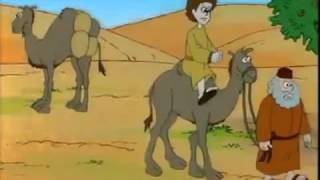
Following the Arab revolt, Sherif Hussein proclaimed himself King of all the Arab countries, but the British government was prepared to recognise onlyhis control of the Hijaz.
Learn More and find references at - kjvids.co.uk/the-rise-of-ibn-saud
Confrontation over the future of Arabia ensued between Hussein and another British protégé. Abdul Aziz Ibn Saud, a rising power in central Arabia whose forces had captured the Nejd region with its capital at Riyadh. Would you like to support our channel?
If you enjoyed or learnt something from this video, you may kindly support our crowdfunding campaign on www.fundmyvideo.com/kjvids
Fund My Video enables video creators to recover costs for their videos, which are much higher than any revenues they receive for most channels. Most YouTubers make videos as a hobby and spend dozens of hours editing videos for little in return. Your contributions towards this channel will significantly help us create more content with even better quality.
Many thanks for your support.
For business and other enquiries please email info@kjvids.co.uk Links we want you to check out;
KJ Vids Book Store - http://kjvids.co.uk/books
Patreon Club - https://www.patreon.com/kjvids
Fund My Video Page - https://www.fundmyvideo.com/kjvids
Explore More
Sharif Hussein Ibn SaudSearch Google Search Explore Topics
 Who is Sharif Hussein?
Hussein ibn Ali al-Hashimi (1854-1931) was a Hashemite Arab leader who was the Sharif and Emir of Mecca from 1908. He was said to be a 37th-generation direct descendant of Muhammad as he belong to the Hashemite family. In 1916, with the promise of British support for Arab independence, he proclaimed the Arab Revolt against the Ottoman Empire. After World War I, Hussein refused to ratify the Treaty of Versailles, in protest at the Balfour Declaration and the establishment of British and French mandates in Syria, Iraq, and Palestine. He later refused to sign the Anglo-Hashemite Treaty and thus deprived himself of British support when his kingdom was invaded by Ibn Saud. In October 1924, facing defeat by Ibn Saud, he abdicated and was succeeded as king by his eldest son Ali.
Who is Ibn Saud?Abdulaziz ibn Abdul Rahman ibn Faisal ibn Turki ibn Abdullah ibn Muhammad Al Saud (1875-1953), usually known within the Arab world as Abdulaziz and in the West as Ibn Saud. Ibn Saud was the first monarch and founder of Saudi Arabia, the "third Saudi state". He reconquered his family's ancestral home city of Riyadh in 1902, starting three decades of conquests that made him the ruler of nearly all of central Arabia. He consolidated his control over the Najd in 1922, then conquered the Hejaz in 1925. He extended his dominions into what later became the Kingdom of Saudi Arabia in 1932. As King, he presided over the discovery of petroleum in Saudi Arabia in 1938 and the beginning of large-scale oil production after World War II. He fathered many children, including 45 sons, and all of the subsequent kings of Saudi Arabia.