3:32
675 views
·
Last viewed: 11 hrs ago
Uploaded: 16 Feb 2016 (11 years ago) · Shared: 13 Sep 2022
Video Description (from Youtube)
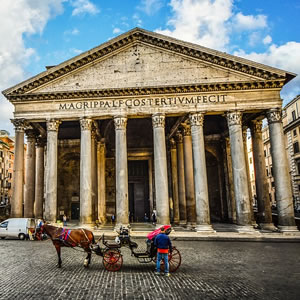
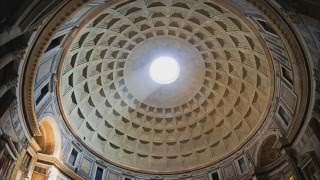
The Roman Pantheon is the most preserved and influential building of ancient Rome. It is a Roman temple dedicated to all the gods of pagan Rome. As the brick stamps on the side of the building revealit was built and dedicated between A.D 118 and 125.
The emperor Hadrian (A.D 117-138) built the Pantheon to replace Augustus’ friend and Commander Marcus Agrippa’s Pantheon of 27 B.C. which burnt to the ground in 80 A.D.
When approaching the front of the Pantheon one can see the inscription above still reads in Latin the original dedication by Marcus Agrippa. The inscription reads:
'M. AGRIPPA.L.F.COSTERTIUM.FECIT”
“Marcus Agrippa son of Lucius, having been consul three times made it”.
Despite all the marvelous building projects that the emperor Hadrian produced during his reign, he never inscribed his name to any, but one, the temple of his father Trajan. That is why the Roman Pantheon bears the inscription of Marcus Agrippa, and not the emperor Hadrian.
The pediment,(the triangle section above the inscription) is blank today, but there would have been sculpture that acted out the battle of the Titans. Great bronze doors guard the entrance to the cella and would have been covered in gold, but it has long since disappeared.
DISCLAIMER
All videos are shared for educational and information purposes only. All videos are hosted and viewable on Youtube servers. Video titles are generated using the original video title; overall content theme including actual dialogue and speech (Transcript); and A.I-based recommendations with a focus on SEO, keyword density, and internal search functions. The video title does not represent the views held by the Youtube video uploader, or any individual, organisation or business.
If you spot any mistake, omission or give feedback, kindly Contact Us with details
Overview & Key Concepts
What is The Gods?
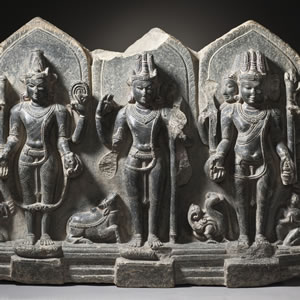 Polytheism is the worship of or belief in multiple deities, usually as a pantheon of gods and goddesses. In most religions which accept polytheism
the different gods and goddesses are representations of forces of nature or ancestral principles, and can be viewed either as autonomous or as aspects or emanations of a creator deity or transcendental absolute principle (monistic theologies), which manifests immanently in nature (panentheistic and pantheistic theologies). Most of the polytheistic deities of ancient religions, with the notable exceptions of the Ancient Egyptian and Hindu deities, were conceived as having physical bodies. Polytheism is a type of theism. Within theism, it contrasts with monotheism, the belief in a singular God, in most cases transcendent. Important polytheistic religions practiced today include Chinese traditional religion, Hinduism, Japanese Shinto, and various neopagan faiths.
What is Roman?
 In historiography, ancient Rome is Roman civilization. From the founding of the city of Rome in the 8th century BC to the collapse of the Western
Roman Empire in the 5th century AD, encompassing the Roman Kingdom, Roman Republic and Roman Empire until the fall of the western empire. The civilization began as an Italic settlement in the Italian peninsula, dating from the 8th century BC, that grew into the city of Rome and which subsequently gave its name to the empire over which it ruled and to the widespread civilisation the empire developed. The Roman empire expanded to become one of the largest empires in the ancient world, though still ruled from the city, with an estimated 50 to 90 million inhabitants (roughly 20% of the world's population) and covering 5.0 million square kilometres at its height in AD 117.
What is Idols?
Polytheism is the worship of or belief in multiple deities, usually as a pantheon of gods and goddesses. In most religions which accept polytheism
the different gods and goddesses are representations of forces of nature or ancestral principles, and can be viewed either as autonomous or as aspects or emanations of a creator deity or transcendental absolute principle (monistic theologies), which manifests immanently in nature (panentheistic and pantheistic theologies). Most of the polytheistic deities of ancient religions, with the notable exceptions of the Ancient Egyptian and Hindu deities, were conceived as having physical bodies. Polytheism is a type of theism. Within theism, it contrasts with monotheism, the belief in a singular God, in most cases transcendent. Important polytheistic religions practiced today include Chinese traditional religion, Hinduism, Japanese Shinto, and various neopagan faiths.
What is Pagan?
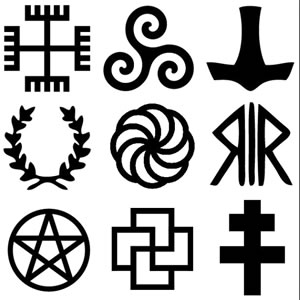 Paganism is a term first used in the fourth century by early Christians. It was applied on populations of the Roman Empire who practiced polytheism
either because they were increasingly rural and provincial relative to the Christian population or because they were not milites Christi (soldiers of Christ). Alternate terms in Christian texts for the same group were hellene, gentile, and heathen. Pagan and paganism were pejorative terms for the same polytheistic group, implying its inferiority. Paganism has broadly connoted the "religion of the peasantry", and for much of its history was a derogatory term. Both during and after the Middle Ages, pagan was a pejorative term that was applied to any non-Abrahamic or unfamiliar religion, and the term presumed a belief in false god(s).
Where is Rome?
Rome is the capital city of Italy and a special comune (named Comune di Roma Capitale). Rome also serves as the capital of the Lazio region. With
2,872,800 residents in 1,285 km2 (496.1 sq mi), it is also the country's most populated comune. It is the fourth-most populous city in the European Union by population within city limits. It is the centre of the Metropolitan City of Rome, which has a population of 4.3 million residents. Rome is located in the central-western portion of the Italian Peninsula, within Lazio (Latium), along the shores of the Tiber. The Vatican City is an independent country inside the city boundaries of Rome, the only existing example of a country within a city: for this reason Rome has been often defined as capital of two states. Rome's history spans 28 centuries. While Roman mythology dates the founding of Rome at around 753 BC, the site has been inhabited for much longer, making it one of the oldest continuously occupied sites in Europe.
Frequently Asked Questions
1.Were the Gods sacrificed?
2.Who are the Gods in the Bible?
3.When did Catholic Christianity become official religion of Rome?
4.What happened after Rome chose Christianity as the state religion?
5.What is the 'Lazarus Effect' or 'Lazarus Syndrome' in science?
Videos on Roman (78)
 1:23:11
721
1478649600
1787370373
Caesar Messiah: Roman Conspiracy To Invent Jesus - Joseph Atwill
004991
1
 43:58
43:58
833
1493856000
1787287329
Constantine and Roman Catholicism - Simcha Jacobovici
002638
2
 2:03
2:03
1234
1493856000
1787377290
In 200 years, Christianity lost Jesus' Jewish teachings; adopting Greek and Roman Paganism - Yahweh Ministry
000123
3
 6:43
6:43
628
1493856000
1787276882
The Roman Catholic Church changed the Sabbath from Saturday to Sunday, not Jesus
000403
4
 48:19
48:19
658
1493856000
1787265140
New Testament: Roman Authority - Dale Martin 21/23
002899
5
 16:23
16:23
267
1493856000
1787265141
Roman Calendar - Names of days and months explained
000983
6
 14:05
14:05
726
1493856000
1787209840
Romans at the Gates - Siege of Jerusalem (70 AD) 1/3
000845
7
 55:43
55:43
1645
1496793600
1787353292
Flavian Roman Conspiracy: Origins of Christianity - Joseph Atwill (Caesar Messiah)
003343
9
 6:40
6:40
683
1501545600
1787295750
Roman 'Arch of Titus' celebrates destruction of Jewish Temple in 70 AD - Jonathan Cahn
000400
10
 11:58
11:58
1219
1501545600
1787285613
New Testament Authors by Roman 'Flavian' Calpurnius Piso - Abelard Reuchlin 1/5
000718
11
 11:55
11:55
2186
1501545600
1787355189
New Testament Authors by Roman 'Flavian' Calpurnius Piso - Abelard Reuchlin 2/5
000715
12
 12:21
12:21
770
1501545600
1787345172
New Testament Authors by Roman 'Flavian' Calpurnius Piso - Abelard Reuchlin 3/5
000741
13
 13:18
13:18
953
1501545600
1787265148
New Testament Authors by Roman 'Flavian' Calpurnius Piso - Abelard Reuchlin 4/5
000798
14
 4:17
4:17
738
1501545600
1787344322
New Testament Authors by Roman 'Flavian' Calpurnius Piso - Abelard Reuchlin 5/5
000257
15
 6:49
6:49
1100
1501545600
1787378132
Crusades: Roman Catholic Church began the African Slave Trade - John Henrik Clarke
000409
16
 30:12
30:12
288
1501545600
1787265152
Did Jesus really exist, or did the Romans re-write history?
001812
17
 27:33
27:33
934
1501545600
1787371339
Siege of Jerusalem and Roman-Jewish Wars - Henry Abramson
001653
18

 5:09
5:09
766
1501545600
1787305335
History of Ptolemy, Serapis and Roman Gods unified in 30 BC - Vivian Laughlin
000309
20
 14:49
14:49
835
1502912089
1787188551
Christianity opposed Rome Imperialism by adopting the titles Son of God, Lord and Savior, previously reserved for Roman Emperors - Marcus Borg
000889
21
 56:56
56:56
352
1502911956
1787303352
In Romans 12:1, live your life without thinking - Ray Hagins
003416
22
 8:19
8:19
818
1504459844
1787367582
Why did the Romans Persecute Christians? | ReligionForBreakfast
000499
23
 36:13
36:13
954
1505863103
1787369440
In Romans 9:5, Jesus is God over all - Trinity Delusion
002173
24
 32:48
32:48
795
1505867188
1787364696
Julius Caesar, Romans and Pagan Worship - Ryan Reeves
001968
25
 45:17
45:17
1105
1506722498
1787271784
Rome: Constantine & The Early Roman Church - Paul Freedman 3/18
002717
26
 47:56
47:56
845
1506722501
1787367384
Rome: Christian Roman Empire - Paul Freedman 4/18
002876
27
 49:22
49:22
707
1506722507
1787265156
Rome: Transformation of the Roman Empire - Paul Freedman 6/18
002962
28
 13:40
13:40
1165
1506873867
1787382946
Christianity adopted Graeco-Roman Pagan Gods: Mithras and Apollonius - Peleh Ben Avraham
000820
29
 7:10
7:10
1357
1511300041
1787265157
In Romans 11:26, Apostle Paul misquotes Isaiah 59:20 and distorts the Jewish doctrine on the Redeemer - Michael Skobac
000430
30
 8:35
8:35
648
1512005838
1787379675
In 48 BC, Roman Emperor, Julius Caeser destroyed 700,000 texts by burning the Library of Alexandria, Egypt
000515
31
673 views
30:58
673
1514115565
1787265160
Book of Romans - David Brett
001858
32

1351 views
1:27:51
1351
1514550020
1787361205
Secret Societies - History of the Roman Catholic Church, Pope, Jesuits, Freemasonry, Idolatory and Paganism - Amazing Discoveries - Walter Veith
005271
33
 18:22
18:22
592
1514850805
1787360200
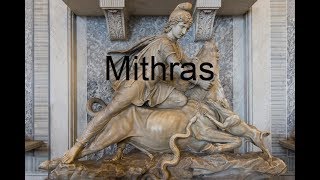
Jesus evolved from Mithras, the Roman pagan God - Fishers Evidence
001102
34
614 views
7:18
614
1514850824
1787302085
Historical records of Jesus' trial and Crucifixion would have been destroyed/lost in the 66-70 AD Judea-Roman war - Fishers Evidence
000438
35
 6:56
6:56
1125
1516193676
1787325686
Was Christianity influenced by Graeco-Roman Paganism? - Luke Timothy Johnson
000416
36
 39:00
39:00
748
1524106343
1787269322
Romans, Greeks, Egyptians rampant with Idolatory. Muslims kiss a Black Stone! - Shabir Yusuf vs Arun
002340
37
 2:01
2:01
978
1528566364
1787338211
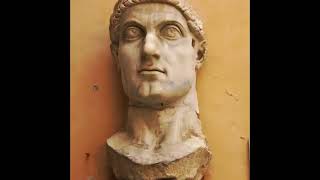
Constantine converted to Christianity. Yet remained a blood-thirsty, violent, intolerant Roman Emperor - Doug Michael
000121
38
 3:33
3:33
1178
1529332039
1787351182
93% of Romans were polytheist pagans with many Gods. Christians had a 'more powerful' God - Bart Ehrman
000213
39
 1:10
1:10
1300
1529453925
1787370507
'Christianity converts to Rome' by adopting Roman myths and practises - Tovia Singer
000070
40
 3:49
3:49
274
1530142885
1786773947
Ancient Roman 'Oral' culture led to the circulation of inaccurate, misleading Jesus Stories - Ehrman
000229
41
 2:30
2:30
759
1530742144
1787003177
The four Gospels have anonymous authors, as did much Ancient Greek and Roman literature - Richard Bauckham
000150
42
 0:37
0:37
917
1531349897
1787197546
Apostle Paul's foundations are in the Greek Hellenistic, Graeco-Roman world - Tovia Singer
000037
43
 0:49
0:49
765
1532142574
1787334443
Gospels are anonymous, 'romantic', religious propaganda texts, not Historical realities - Charles Hedrick
000049
44
 1:05
1:05
872
1534072413
1787264721
Roman Empire destroyed Christian texts & manuscripts in 'Book burnings' - Michael Kruger
000065
45
 46:34
46:34
506
1535099640
1787365867
In 391 AD, Roman Emperor Theodosius outlawed Paganism and destroyed the Library of Alexandria
002794
46
 11:29
11:29
874
1543020238
1787326226
Egyptian Black Man educated Greeks, Romans, and White Europeans - Leo Muhammad (NOI)
000689
47
 6:35
6:35
664
1545605231
1787279860
Idolatory is praying to Mary or Saints, as Roman Catholics do - RC Sproul
000395
48
 5:12
5:12
916
1548092459
1787354223
In Romans 15:20, Apostle Paul announces creation of a New Religion ('new foundation') - Muhammad Lamin
000312
49
 16:21
16:21
1166
1548093924
1787369183
In Romans 10:9, Apostle Paul claimed Salvation was through faith in Jesus' Resurrection - Muhammad Lamin
000981
50
 14:17
14:17
656
1548547404
1787315693
Roman Imperialism: Before Jesus, was the 'divine' Caesar Augustus - John Dominic Crossan 1/4
000857
51
 33:13
33:13
643
1548891078
1787327794
In Romans 1:27, the Bible forbids homosexual lust and shameful acts. Say No to Temptation. Say No to Sin - Jesse Morrell
001993
52
439 views
1:27:43
439
1549300252
1787326826
History of The Roman Catholic Church
005263
53
 6:59
6:59
975
1549453689
1787372766
From Proverbs 8:22, Philo of Alexandria applied a 'feminine' Wisdom (Sophia) in support of Roman Catholic teachings on Trinity - approvedofGod
000419
54
 3:39
3:39
654
1549453689
1787284922
In Council of Ephesus (431 AD), Roman Catholics elevated Mary, to 'Mother of God' aka 'Queen of Heaven' - approvedofGod
000219
55
 4:36
4:36
497
1549719016
1787344215
In Romans 3:7, Romans 15:20 and 2 Corinthians 12:16, Paul admits to be a Liar - Muhammad Lamin
000276
56
 5:14
5:14
709
1559051903
1787376270
In Romans 4:5, the 'Faith versus Works' concept goes against Jewish Law and teachings - RTC
000314
57
 20:28
20:28
523
1562319590
1787297407
Josephus (37-100 AD): Aramaic was language of Jews in Roman Judea
001228
58
 1:28
1:28
1056
1570625396
1787349838
Christianity is a Graeco-Roman production for Greek Rome - Robert Eisenman
000088
59
1:30
701
1570625345
1787168531
Apostle Paul is from the ruling Roman Herodian dynasty - Robert Eisenman
000090
60
5:18
830
1570625335
1787339359
Gospels are 'Hellenized fictional' Roman Literature, not accurate Historical documents - Robert Eisenman
000318
61
6:02
910
1570625312
1786407947
Apostle Paul was a Roman citizen and Herodian. Favoured by the vile, ruling Roman dynasty. Enemy to the Jews - Robert Eisenman
000362
62
650 views
3:53
650
1570625288
1787285046
Western 'Wailing' Wall in Jerusalem is a Herodian Temple wall built by Roman Emperor Herod - Robert Eisenman
000233
63
 4:29
4:29
467
1584528480
1787295302
Suetonius (69-122 AD): Chrestus (Jesus) encouraged Jews to cause disturbance for Roman Authority
000269
64
 17:51
17:51
1167
1589498214
1787225234
In Romans 1:16, Apostle Paul urges GOD TV to evangelize Israel's Jews - Tovia Singer
001071
65

792 views
12:17
792
1590442498
1787350927
Virgin Births were common in pagan, Graeco-Roman Mythology. Jesus the God-Man was no different! - Tovia Singer
000737
66
 17:00
17:00
635
1614252700
1787333912
Tour of Roman Amphitheatre, Amman, Jordan - Two Boomers
001020
67
 8:27
8:27
305
1652398943
1787364335
Planets named after Greek Gods by Roman Astronomers
000507
68
 3:32
3:32
675
1663073769
1787344191
Pantheon, Roman Temple to the Gods and Idols of pagan Rome
000212
69
 18:36
18:36
759
1746526946
1787323197
Jesus Resurrection Written for Greco-Roman Audience | Richard Miller | MythVision
001116
70
 30:18
30:18
1119
1747359829
1787276472
Protestant Christians rely on Roman Catholic Traditions | Tovia Singer
001818
71
 1:09:14
743
1751171026
1787317546
Was Apostle Paul a secret Roman Agent? | Thijs Voskuilen | History Valley
004154
72
 5:30
5:30
852
1751303284
1787355289
Christianity adopted Roman Traditions. Jesus became The God | Tovia Singer
000330
73
 1:07:24
197
1770903865
1787367335
Julius Caesar the Roman Emperor was A Divine God before Jesus - Hamza Saudi vs Paperboy SC
004044
74
 2:42:27
200
1771508573
1787110407
Sasanian and Roman Empires influenced Islamist Expansion | Khodadad Rezakhani | Skepsislamica
009747
75
 17:44
17:44
539
1778068566
1787379773
DEBATE: Christianity emerged after the 70 AD Jewish-Roman War | Paul George
001064
76
 56:51
56:51
97
1778093773
1786838060
Jesus from a Greco-Roman Perspective | Sean Finnegan
003411
77
 19:18
19:18
20
1786316167
1787364605
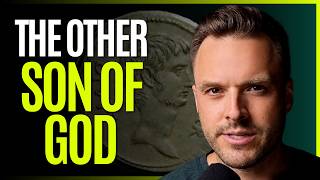
Origins of 'Son Of God' & 'Lord' from Pre-Jesus, Roman Emperor Gods cult language | CJ Cornthwaite
001158
78