1020 views
·
Last viewed: 2 days ago
Uploaded: 08 May 2019 (7 years ago) · Shared: 12 May 2019
key Christians in the second & third centuries. Among those considered are the beliefs about Jesus & God of - 1. Polycarp 2. Justin Martyr 3. Ignatius of Antioch? 4. Irenaeus 5. Tertullian 6.Theophilus of Antioch 7. Origen
ALSO SEE - 'Five Major Problems with The Trinity' - by Sean Finnegan - https://www.youtube.com/watch?v=-qxvmP-NzN4&t=504s
✔Visit the 21stCR MASTER WEBSITE for “ONE GOD” STUDIES - With Many Articles, Books, Videos and Audios https://21stcr.org/
✔Learn at “EXPLORE THE BIBLE” - The Best in “One God” Education is Free! https://21stcr.org/commentaries/
For more about Sean Finnegan – https://21stcr.org/author/sean-finnegan/
To purchase J. Dan Gill's Book 'THE ONE - IN DEFENSE OF GOD' go to: https://www.amazon.com/One-Defense-J-Dan-Gill/dp/0692682406/ref=sr_1_1?ie=UTF8&qid=1540410922&sr=8-1&keywords=J.+Dan+Gill
Uploaded: 08 May 2019 (7 years ago) · Shared: 12 May 2019
Video Description (from Youtube)
Did Christians believe in the Doctrine of the Trinity before the Council of Nicea in 325 AD? What is homoousios? Was Jesus of one substance with the Father? Sean Finnegan investigates the beliefs ofkey Christians in the second & third centuries. Among those considered are the beliefs about Jesus & God of - 1. Polycarp 2. Justin Martyr 3. Ignatius of Antioch? 4. Irenaeus 5. Tertullian 6.Theophilus of Antioch 7. Origen
ALSO SEE - 'Five Major Problems with The Trinity' - by Sean Finnegan - https://www.youtube.com/watch?v=-qxvmP-NzN4&t=504s
✔Visit the 21stCR MASTER WEBSITE for “ONE GOD” STUDIES - With Many Articles, Books, Videos and Audios https://21stcr.org/
✔Learn at “EXPLORE THE BIBLE” - The Best in “One God” Education is Free! https://21stcr.org/commentaries/
For more about Sean Finnegan – https://21stcr.org/author/sean-finnegan/
To purchase J. Dan Gill's Book 'THE ONE - IN DEFENSE OF GOD' go to: https://www.amazon.com/One-Defense-J-Dan-Gill/dp/0692682406/ref=sr_1_1?ie=UTF8&qid=1540410922&sr=8-1&keywords=J.+Dan+Gill
Search Results on 'Polycarp, Justin Martyr, Ignatius, Irenaeus, Tertullian and Origen did NOT believe in Trinity - Sean Finnegan'
SCROLL TO :TOPICS | 8NEWS | 2ARTICLES | 7FAQ | 9VIDEO | 169LINKS | 1TOPICS #TRINITY TERTULLIAN POLYCARP JUSTIN MARTYR IGNATIUS IRENAEUS ORIGEN
Topics include Trinity, Tertullian, Polycarp, Justin Martyr, Ignatius, Irenaeus, Origen (8)
What is Trinity?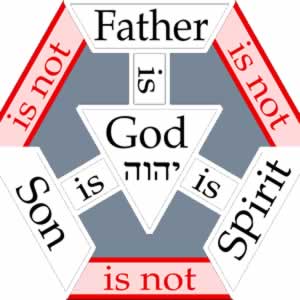 The Christian doctrine of the Trinity (Latin: trinus "threefold") holds that God is one God, but three coeternal consubstantial persons or hypostases. These being the Father, the Son (Jesus Christ), and the Holy Spirit - as "one God in three Divine Persons". The three Persons are distinct, yet are
one "substance, essence or nature" (homoousios). |
Who are Trinity Delusion?
|
Who was Tertullian?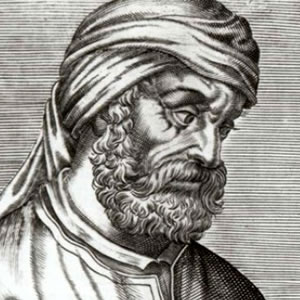 Tertullian (155-240 AD) was a prolific early Christian author from Carthage in the Roman province of Africa. Of Berber origin, he was the first Christian author to produce an extensive corpus of Latin Christian literature. He also was an early Christian apologist and a polemicist against heresy
including contemporary Christian Gnosticism. Tertullian has been called "the father of Latin Christianity" and "the founder of Western theology." Though conservative in his worldview, Tertullian originated new theological concepts and advanced the development of early Church doctrine. He is perhaps most famous for the term trinity (Latin: trinitas). According to The Stanford Encyclopedia of Philosophy, "Tertullian's trinity [is] not a triune God, but rather a triad or group of three, with God as the founding member". |
Who was Polycarp? Polycarp (69-155 AD) was a 2nd-century Christian bishop of Smyrna. According to the Martyrdom of Polycarp he died a martyr, bound and burned at the stake, then stabbed when the fire failed to touch him. Polycarp is regarded as a saint and Church Father in the Eastern Orthodox, Oriental Orthodox
Catholic, Anglican, and Lutheran churches. |
Who was Justin Martyr? Justin Martyr was an early Christian apologist, and is regarded as the foremost interpreter of the theory of the Logos in the 2nd century. He was martyred, alongside some of his students, and is considered a saint by the Roman Catholic Church, the Anglican Church, the Eastern Orthodox Church, and
the Oriental Orthodox Churches. |
Who was Ignatius? Ignatius of Antioch (35-107 AD) was an early Christian writer and bishop of Antioch. En route to Rome, where he met his martyrdom, Ignatius wrote a series of letters. This correspondence now forms a central part of the later collection known as the Apostolic Fathers, of which he is considered one of
the three chief ones together with Pope Clement I and Polycarp. |
Who was Irenaeus? Irenaeus (130-202 AD) was a Greek bishop. He is noted for his role in guiding and expanding Christian communities in what is now the south of France and, more widely, for the development of Christian theology by combating heresy and defining orthodoxy. Originating from Smyrna, now Izmir in Turkey
he had heard the preaching of Polycarp, who in turn was said to have heard John the Evangelist. |
Who was Origen? Origen of Alexandria (184-253 AD) was an early Christian scholar, ascetic, and theologian. He who was born and spent the first half of his career in Alexandria. He was a prolific writer who wrote roughly 2,000 treatises in multiple branches of theology, including textual criticism, biblical exegesis
and biblical hermeneutics, homiletics, and spirituality. He was one of the most influential figures in early Christian theology, apologetics, and asceticism. He has been described as "the greatest genius the early church ever produced". |
News on Trinity, Tertullian, Polycarp, Justin Martyr, Ignatius, Irenaeus, Origen (2)
| 1.The Surprising Origins of the Trinity Doctrine | Beyond Today |
| 2.Just How Important Is Belief in the Doctrine of the Trinity? | Patheos |
Articles on Trinity, Tertullian, Polycarp, Justin Martyr, Ignatius, Irenaeus, Origen (7)
Trinity - Three Are One

21,347 views
|
| Trinity - 13 Three God Pagan concepts
23,269 views
|
Trinity - 4 Creeds: Apostles, Nicene, Athanasian to Chalcedon over 418 years

23,779 views
|
| Trinity in the Bible
18,550 views
|
| Trinity - Different Views
22,731 views
|
| Trinity - 27 Attributes of the Father, Son and Holy Ghost
27,276 views
|
| Timeline of Trinity
21,073 views
|
FAQ on Trinity, Tertullian, Polycarp, Justin Martyr, Ignatius, Irenaeus, Origen (9)
Youtube Videos on Trinity, Tertullian, Polycarp, Justin Martyr, Ignatius, Irenaeus, Origen (169)
 What is God like: Tawhid or
 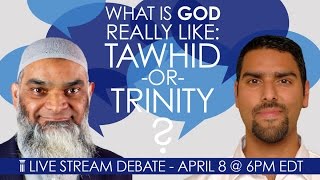 What is God like: Tawhid or
  You think the
  What is the Jewish view on the Christian
  In 1 Corinthians 15:45, God speaks about the Christian
  Is the Christian
  Is belief in the Christian
  How did the Nicene Creed confirm the
  Mystery of the Christian
  What does the Bible teach about
  Is Jesus God? - The Great
  Is Jesus God? - The Great
 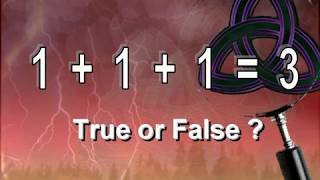 Is the Christian
  Is
Is  In 1 John 5:8, the Church corrupted the New Testament to support the Christian
  In John 10:30, I and the Father are one - Does this prove the
  Why does Judaism reject the
  History of the Christian
  Are
Are  Judaism acknowledges the Christian
  Christian
  The Quran on the Christian
  1 John 5:7 proves the Bible was corrupted and
  Origins of the
  5 Reasons why the Christian
  The
The 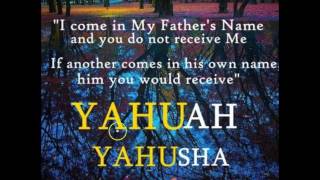 Pagan Origins of Jesus and Christian
 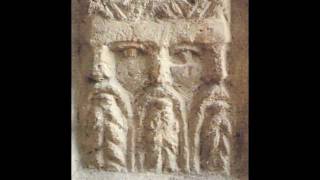 Pagan
Pagan  Is the Christian God a
  Are you a
  Why the Holy Spirit is not God of Jesus? -
  In Isaiah 44:6, The Redeemer was Jesus -
  Building a Triune God is Idolatry -
 In Christian
  The
The  The
The 
 1 John 5:7 added the
  Early Church Fathers rejected the
  In Quran 5:73, Allah gets the
  Is the Father in the
  The Truth about
  During his life, did Jesus know he was part of a
 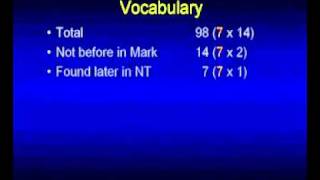 Jesus' Resurrection: Mark 16:9-20 was quoted by Early Church Fathers: Papias,
  God the Father always knew the
  Early Christians did not believe Jesus was God or in the
  In Romans 9:5, Jesus is God over all -
  In John 8:58, Jesus glorified himself as God? -
 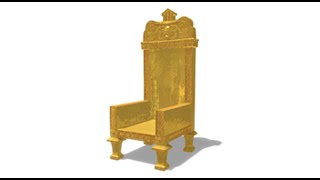 In Hebrews 1:8, a Davidic King who lived before Jesus was called God -
  In John 8:58 and Exodus 3:14, Jesus invokes the divine name I AM (Ego eimi) -
 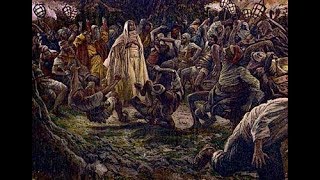 In John 18:6, Jesus said I AM (Ego Eimi) and Soldiers fell to the ground -
  The True God according to Jesus. No
  In John 1:1 - What Beginning was John writing about? -
  In Acts 13:33, Jesus the begotten Son to the Father -
  In Exodus 20, God reveals he is a Jealous God, not a
  Early Church and
  Show me
  Show me
  In Quran 5:116, the Christian
  In Psalm 110:1, the LORD sat with Lord, and this supports the Christian
  10 Reasons Why The
  Bones, Flesh and Soul constitute a Human. In the
  In
In  In John 1:18, who saw God: the begotten Son, or only Son? -
  In Micah 5:2, the
 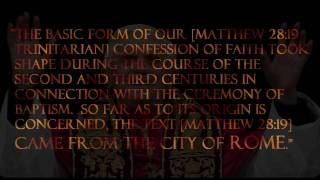 In Matthew 28:19, the
 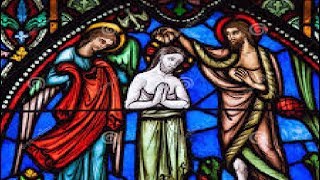 In Matthew 28:19, is not a
  In Genesis 1:26, One God created Man (Monotheism), not Two or Three Gods (
 In Isaiah 9:6, does God approve of

 I believe Jesus is immortal and God. Do not ask me about


 In Mark 10:18, Jesus explicity denied he was God -
  In 325 AD,
  Arguing Bishops at Council of Nicaea voted Pagan rituals into Christianity i.e.
  In 225 AD,
  Early Christians did not believe
  In 1 John 5:7-8, the
 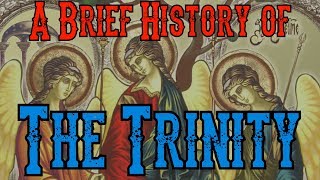 Early Christian History of the
  Clement,
 Church Father,
  Church Father,
 Early Christians did not worship Jesus as God.
  Early Church advanced Jesus to divinity, and later, to Triune '
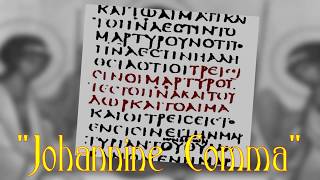 In 1519 AD, Erasmus added 1 John 5:7 (
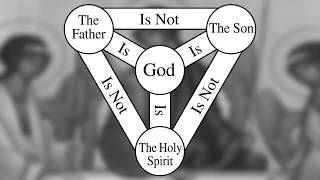 In 500 AD, Athanasius explained
  In Mark 12:29, the Lord our God is One, unitarian (mono-theos), not
  By 381 AD, the Church had affirmed the
  In Genesis 18, a Jewish version of the 'Christian
  Jesus was a Jew on Unitarian Monotheism, not a
  In Christianity, the
  Prove the Church Fathers believed in
  If there was more than one Interdependent God (
 Debate: Mono-theism (Tawheed) beats Tri-theism (
 Unitarian Christians believe in One God; oppose
  Evidence for
  In the Old Testament, Elohim is Singular and Plural, but God is One, not
  For Jews, God cannot take on Human form (i.e. Christian
 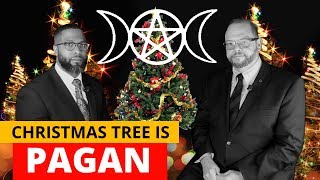 In Jeremiah 10:3, the Christmas Tree is symbolic of the Christian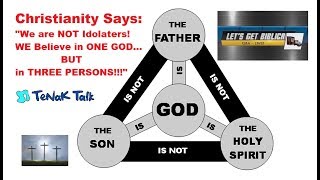
 Historical Origins of
  Greek philosophy influenced Early Christianity and re-defined One God into a
  There is only one, true God, a 'Unitarian' Father in New Testament; not a
  In Luke 11:2, Jesus taught his disciples the Lord's Prayer, not
  In 1 Corinthians 8:6, Apostle Paul disproves of the
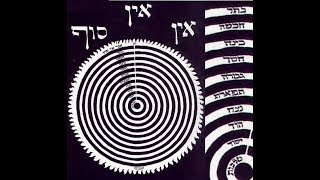
 In Deuteronomy 32:39, God emphasizes his Unique, Oneness.
  Jesus Worship His Father. How can Jesus be The Father? - Unitarian vs
 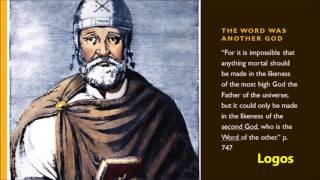 Philo of Alexandria (20 BC-50 AD) was first to write of God's
  Philo of Alexandria, a Jewish Greek philosopher wrote of a
 Greek Apostate Fathers: Clement,
 In 180 AD, Theophilus of Antioch borrowed Greek philosophy to first define '
 Philo's
  Philo of Alexandria,
  From Proverbs 8:22, Philo of Alexandria applied a 'feminine' Wisdom (Sophia) in support of Roman Catholic teachings on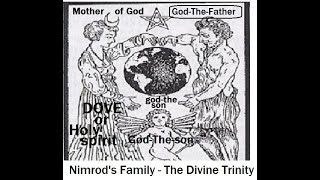
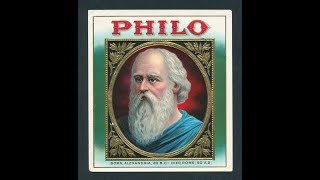 Philo of Alexandria mixed Greek philosophy with Jewish-Christianity to invent Catholic Christianity &
  In Luke 1:35, Jesus is 'Son of God', not God, not
 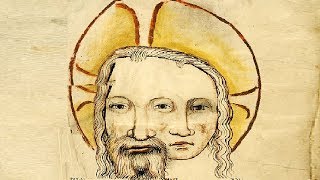 Bible Scholars read 'One God', not 'One Person'. Jesus is not God &
  Jesus was a Jew, not a
  In 1 John 5:7, the
  God is One. He moves by Spirit. He creates through Spoken Word (
 In Quran 5:73, God refutes all forms of
  Peter Abelard (1142 AD) tried and failed to explain the Christian
  In John 14:28, Jesus clearly said he was lower than Father.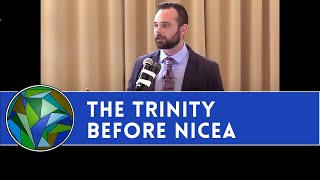
 Jesus is not a
  The Jewish God is Unitarian, not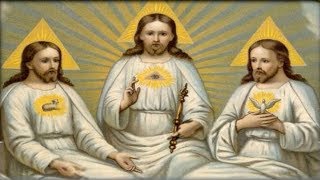
 Jesus Is
  Does Salvation depend on belief in
 In Isaiah 48:12, God said the Lord-God and Spirit sent Him.
  Both Gnostic and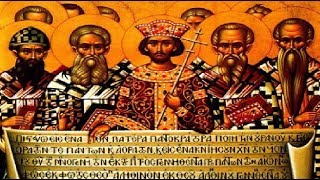
 Philo of Alexandria (20 BC-50 AD) wrote of 'Two Powers' with One God; creating Christian
  Were
Were  Apostle Paul was not
  Christian
  Theophilus of Antioch (d. 183 AD) first wrote of the 'mystery'
  In 70 AD, Rome destroyed the Jerusalem Church, establishing 'Pagan'
 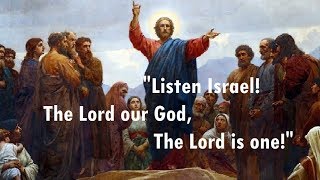 Jesus was a Monotheist, Non-
 The Three-Person God is nowhere in the Bible -
 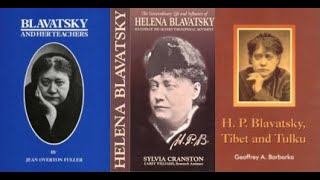 Philo of Alexandria, a Jewish-Greek philosopher wrote of
  Philo of Alexandria used Greek Philosophy to teach that God was One of Three
 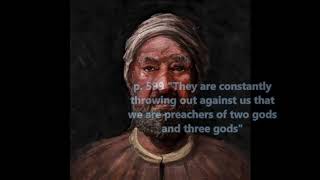 Majority rejected
  The Father is NOT the Holy Spirit. They are One and Same -
  In Mark 12:29, Jesus was an observant Jewish Man, not a
 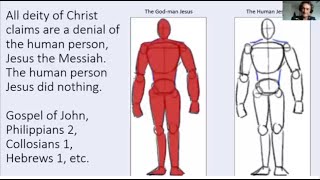 Historical development of Christian
 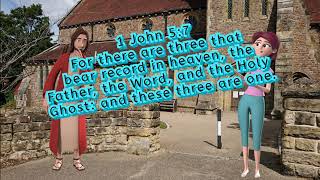 In 1 John 5:7, the Christian
 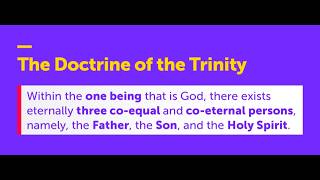 Early Christians rejected the
  Christian
  The Evolution of God from Yahweh to Christian
  Book of Isaiah does NOT prove
 Links on Trinity, Tertullian, Polycarp, Justin Martyr, Ignatius, Irenaeus, Origen (1)
| 1.Does everyone believe in the Trinity? |
DISCLAIMER
All videos are shared for educational and information purposes only. All videos are hosted and viewable on Youtube servers. Video titles are generated using the original video title; overall content theme including actual dialogue and speech (Transcript); and A.I-based recommendations with a focus on SEO, keyword density, and internal search functions. The video title does not represent the views held by the Youtube video uploader, or any individual, organisation or business.
If you spot any mistake, omission or give feedback, kindly contact us with details
All videos are shared for educational and information purposes only. All videos are hosted and viewable on Youtube servers. Video titles are generated using the original video title; overall content theme including actual dialogue and speech (Transcript); and A.I-based recommendations with a focus on SEO, keyword density, and internal search functions. The video title does not represent the views held by the Youtube video uploader, or any individual, organisation or business.
If you spot any mistake, omission or give feedback, kindly contact us with details



![Video: Lot [The Corrupt City] - IslamicCinema](https://img.youtube.com/vi/hDffSdXF_v0/mqdefault.jpg)