3:02
1194 views
·
Last viewed: 1 day ago
Uploaded: 09 Jul 2012 (14 years ago) · Shared: 28 Mar 2017
Video Description (from Youtube)
What does Islam say about Christians and Jews, their beliefs, and their practices? What is the difference between the Old Testament and the New Testament? How does Bible compare to the Quran? Answeredby Imam Shabir Ally
Check out:
http://whyislam.org
http://facebook.com/whyislam
http://twitter.com/whyislam
DISCLAIMER
All videos are shared for educational and information purposes only. All videos are hosted and viewable on Youtube servers. Video titles are generated using the original video title; overall content theme including actual dialogue and speech (Transcript); and A.I-based recommendations with a focus on SEO, keyword density, and internal search functions. The video title does not represent the views held by the Youtube video uploader, or any individual, organisation or business.
If you spot any mistake, omission or give feedback, kindly Contact Us with details
Overview & Key Concepts
Who is Shabir Ally?
 Shabir Ally is a Canadian Muslim preacher who serves as the president of the Islamic Information & Dawah Centre International in Toronto, Ontario
Canada. Ally is known for promoting a contextual interpretation of the Quranic verses, but seeks to find their justification in similar expressions within the Christian Bible. He has debated William Lane Craig, David Wood, Nabeel Qureshi, Michael Licona and John Dominic Crossan. He has also debated apologists James White and Jay Smith.
What is The Quran?
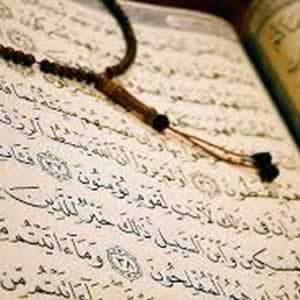 Quran, literally meaning "the recitation" is the central religious text of Islam, which Muslims believe to be a revelation from God (Allah). It is
widely regarded as the finest work in classical Arabic literature. The Quran is divided into chapters (surah in Arabic), which are then divided into verses (ayah). Muslims believe that the Quran was verbally revealed by God to Muhammad through the angel Gabriel (Jibril), gradually over a period of approximately 23 years, beginning on 22 December 609 CE, when Muhammad was 40, and concluding in 632, the year of his death. Muslims regard the Quran as the most important miracle of Muhammad, a proof of his prophethood, and the culmination of a series of divine messages that started with the messages revealed to Adam and ended with Muhammad.
What is Injeel?
 Injeel, or Injil is the Arabic name for the Gospel of Jesus (Isa). The Injil is described by the Quran as one of the four Islamic holy books which was
revealed by God, the others being the Zabur (Psalms), the Tawrat (Torah), and the Quran. The word Injil is also used in the Quran, the Hadith and early Muslim documents to refer to both a book and revelations made by God to Jesus. Muslims believe the Injeel is lost and no longer available. The Injeel is not the modern New Testament Bible.
What is Gospel?
 Gospel is the Old English translation of Greek evangelion, meaning "good news". It originally meant the Christian message itself, but in the 2nd
century it came to be used for the books in which the message was set out. The four gospels of the New Testament: Matthew, Mark, Luke and John are the main source of information on the life of Jesus.
What is the Torah?
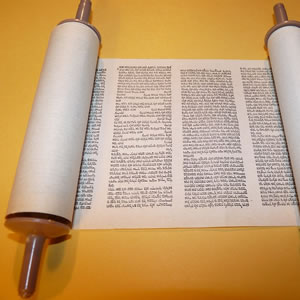 Torah, "Instruction", "Teaching" or "Law" has a range of meanings. Common to all these meanings, Torah consists of the origin of Jewish peoplehood:
their call into being by God, their trials and tribulations, and their covenant with their God, which involves following a way of life embodied in a set of moral and religious obligations and civil laws. In rabbinic literature the word Torah denotes both the five books "Torah that is written" and the Oral Torah "Torah that is spoken". The Oral Torah consists of interpretations and amplifications which according to rabbinic tradition have been handed down from generation to generation and are now embodied in the Talmud and Midrash. According to rabbinic tradition, all of the teachings found in the Torah, both written and oral, were given by God through the prophet Moses, some at Mount Sinai and others at the Tabernacle, and all the teachings were written down by Moses, which resulted in the Torah that exists today. The majority of Biblical scholars believe the written books were a product of the Babylonian captivity (c. 600 BCE), based on earlier written and oral traditions, which could only have arisen from separate communities within ancient Israel, and that it was completed by the period of Achaemenid rule (c. 400 BCE).
Frequently Asked Questions
1.According to Apostle Paul, why did God give Jews the Torah?
Paul claimed God gave Jews the Torah so that they could be saved later on by believing in Jesus Christ. This was God's divine plan.
2.When was the Torah written?
The Torah of today is either:
1500 years after Moses as in the case of the Dead Sea Scrolls and Samaritan Scrolls or
2500 years after him as in the case of the Masoretic Text
3.Does the Quran tell Jews and Christians to refer to their Scriptures (Torah and Bible)?
When the Quran refers to the previous Scriptures (Torah, Gospel etc.), this is understood to mean the original revelations sent to Moses and Jesus, and not the 'corrupted' versions we have today
4.What do Synoptic Gospels say about Jesus?
The Synoptic Gospels portray Jesus as a prophet, hero and martyr - not as a God who became a Man, was sacrificed and rose again for the salvation of humanity.
5.What did Apostle Paul think of his fellow Gospel writers?
As we said before, so say I now again, If any man preach any other gospel unto you than that ye have received, let him be accursed.
(Galatians 1:9)
Paul would curse other gospel writers (James, Peter etc.) as if to say their was only one Christianity, one truth and that was his version.
(Galatians 1:9)
6.How did Matthew (Gospel) support Apostle Pauline Christian doctrine?
It did not! Matthew (85 CE) was written for Jewish-Christians who observed the Law and did not wish to break away from Judaism. Matthew is in complete opposition to Pauline doctrine.
7.When were the Gospels written?
Not a single one of the Gospels were written by eyewitnesses.
Not one of the Gospels was written in the lifetime of Jesus, the earliest known Gospel recounting the life of Jesus came 30-35 years after his ministry - this being the Gospel of Mark.
8.What did Apostle Paul say about the other gospels?
Paul rebuked other gospel writers.
9.Who wrote John's gospel?
The writer of John is believed to be a Greek convert and he often shows a lack of knowledge of Judaism and the Torah; and even shows a disrespect for the Jews, as he uses the term "Jews" as a slur over 60 times in the Gospel of John alone.
10.What were the Apocryphal Gospels?
Apocrypha are works, usually written works, that are of unknown authorship, or of doubtful authenticity, or spurious, or not considered to be within a particular canon.
The Apocrypha (Greek for 'hidden away') are revered Biblical text which were excluded from the canon Bible. They were literally hidden away from the early Christians, and tell a very different story of Jesus.
Gospel of Nazoreans
Gospel of Ebionites
Gospel of Egyptians
Gospel of Peter
Gospel of Thomas
Gospel of Hebrews
11.What is the significance of the Gospel of Thomas?
Thomas is the most important non-canonical Gospel recently discovered in the last century. It positively features in current studies of Christian origins and the historical Jesus.
Gospel of Thomas with sayings of Jesus is thought to be earliest written record of his life produced within ten years of his death.
12.How was the Gospel of John viewed?
In the 2nd century, some Christians felt John gospel was so different in tone and approach in comparison to the other three synoptic gospels (Mark, Matthew, Luke); it should have been excluded from the cannon.
13.In 325 AD, did Emperor Constantine burn gospels, writings and religious text?
The books of Arius and his followers, after the first Council of Nicaea (325 C.E.), were burned for heresy by the Roman emperors Constantine, Honorius, and Theodosius I, who published a decree commanding that, "the doctrine of the Trinity should be embraced by those who would be called catholics; that all others should bear the infamous name of heretics".
Videos on The Quran (90)
 55:58
55:58
525
1424908800
1787066047
Jesus in the Quran & Conflict Among His Early Followers
003358
1
351 views
9:35
351
1441324800
1786968379
On reading the Quran - Lesley Hazleton
000575
2
 8:34
8:34
377
1441324800
1787061874
Oldest Bible confirms the Quran. Jesus is a servant of God
000514
3
366 views
5:25
366
1441324800
1786960938
Mathematical Miracle Of The Quran
000325
4
 43:56
43:56
591
1441324800
1786987363
Jesus of the Holy Bible vs Jesus of the Quran (Islam) - Charles Lawson
002636
5
 2:17:40
722
1452384000
1787064725
Baby Jesus: His Birth in the Bible & the Quran - Shabir Ally vs Dean Canonico
008260
6
 3:29
3:29
1006
1456185600
1787010184
Were There Multiple Versions of the Quran? - Shabir Ally
000209
7
 7:25
7:25
312
1456185600
1787068458
Amazing Structure of The Quranic text, divine speech of God
000445
8
 10:50
10:50
714
1456185600
1786832773
Patterns of Numerical Values in the Quran - Shabir Ally
000650
9
 15:34
15:34
612
1480896000
1787062928
Why does the Quran call the Jews 'Apes'? - Tovia Singer
000934
10
 4:48
4:48
615
1482192000
1787003899
In the Quran, why does God call Mary, the Sister of Aaron? - Shabir Ally
000288
11
 10:51
10:51
746
1482192000
1787051383
Is the Quran REALLY The Word Of God? - Shabir Ally
000651
12
 11:08
11:08
581
1482192000
1787022299
Jesus' Birth in the Quran and Bible - Shabir Ally
000668
13
 41:38
41:38
797
1483401600
1786883773
Is the Quran revealed in 26 different Arabic versions? - Radush Shubuhaat
002498
14
 36:26
36:26
914
1483401600
1786806751
In the Quran, why does God say Jews are more hostile towards Muslims than Christians? - Tovia Singer
002186
15
 57:06
57:06
572
1487808000
1787008317
The Quran Explained to School Kids - Nouman Ali Khan
003426
16
 2:12:31
587
1487808000
1786932310
The Quran or Bible: Which is the Word of God? - Zakir Hussain vs Samuel Green
007951
17
 19:37
19:37
655
1487808000
1786988764
Can you explain the violence in the Quran? - Mohammed Hijab vs Lizzie 2/2
001177
18
 1:54:56
609
1490659200
1786914144
Is the Quran the word of God or Man? - Shadid Lewis vs Tony Costa
006896
19

1045 views
6:50
1045
1490659200
1786889415
The Quran on the Crucifixion? - Shabir Ally
000410
20
 3:02
3:02
1194
1490659200
1786978228
The Torah and Gospel (Injeel) in the Quran - Shabir Ally
000182
21
 1:49:49
863
1493856000
1787033256
The Bible or the Quran? - Sadat Anwar vs Tony Costa
006589
22
 8:53
8:53
1433
1493856000
1787007935
The Quran on the Christian Trinity - Shabir Ally
000533
23
 30:04
30:04
848
1493856000
1787013331
The devil gave the Quran to Muhammad - Hamza Myatt vs Christian
001804
24
 1:32:52
607
1493856000
1786845222
The Quran: Eternal Living Miracle of God - Yasir Qadhi
005572
25
 47:42
47:42
837
1501895853
1786847092
The different 'Textual Variants' in the Quran - Mansur Ahmad vs Christian Preacher
002862
26
 9:43
9:43
1269
1508408027
1787066373
Ring Composition: Miracle Structure of the Quran
000583
27
 8:04
8:04
1133
1509201244
1786872649
What is worse, believing the Quran or living in Agnosticism? - Mohammed Hijab vs Atheists 3/3
000484
28
 20:00
20:00
1036
1509322320
1787074140
Can you explain the violence in the Quran? - Mohammed Hijab vs Lizzie 1/2
001200
29
 51:49
51:49
754
1509371117
1787069583
The Quran in Abrahamic Religions - Angelika Neuwirth
003109
30
 31:01
31:01
745
1509375504
1786917318
The Quran: An Historical, Literary and Theological Study - Angelika Neuwirth
001861
31
 10:44
10:44
531
1513042574
1786867844
Women's Rights in the Quran - Omar Suleiman
000644
32
 8:46
8:46
840
1514850621
1787009114
Ezekiel and Jethro in the Quran - Shabir Ally
000526
33
 54:29
54:29
481
1520100415
1786988211
Prove a single verse is corrupt in the Quran - Hamza Myatt vs Lizzie
003269
34
 29:19
29:19
933
1520421753
1787056794
Inheritance in the Quran is confusing. 1 man with 1 mother, 3 daughters and a poor grandad who gets nothing - Mohammed Hijab vs Atheist
001759
35
 35:05
35:05
680
1525150481
1786877876
Different Versions of the Quran Myth - Yasir Qadhi
002105
36
413 views
9:12:22
413
1527426547
1786923805
The Quran (English Translation) 1/2
033142
37

452 views
8:51:43
452
1527426538
1786864723
The Quran (English Translation) 2/2
031903
38
 2:42
2:42
573
1528480499
1787056627
Preservation of the Quran - Quran Miracle
000162
39
 16:14
16:14
674
1536780105
1787056961
I want to convert to Islam. Let me read the Quran first - Shamsi vs Bo
000974
40
 1:58:28
660
1540555842
1786839536
Which is more violent, the Quran or Bible? - Shabir Ally vs Douglas Jacoby
007108
41
 12:10
12:10
542
1544171132
1787055722
How the Quran was preserved for 1400 years? - Shabir Ally
000730
42
 20:22
20:22
980
1545161564
1786892349
Does the Quran insist on a Virgin Birth for Jesus? Early Christians did not believe it - Abu Layth
001222
43
 15:28
15:28
953
1550014609
1786988551
Does the Quran have Syriac or Aramaic Origins? - Hamza Tzortzis
000928
44
 14:57
14:57
874
1551644896
1787066666
God 'spoke' to me in the Quran and confirmed my Christian beliefs, not the Bible - Saajid Lipham
000897
45
 8:03
8:03
664
1554734194
1787072821
How the Quran was accurately preserved over 1400 years - OnePath
000483
46
 50:54
50:54
505
1554904392
1787058244
The Quran - Garry Wills (Chicago Humanities Festival)
003054
47
 3:51
3:51
546
1555582022
1787042142
What is the Quran? - Garry Wills (Emir-Stein)
000231
48
 26:02
26:02
667
1556073837
1786884667
Story of Moses and Khidr in the Quran - Nouman Ali Khan 1/6
001562
49
 25:37
25:37
714
1556074113
1787053694
Story of Moses and Khidr in the Quran - Nouman Ali Khan 2/6
001537
50
 19:53
19:53
461
1556074062
1786837015
Story of Moses and Khidr in the Quran - Nouman Ali Khan 3/6
001193
51
 20:32
20:32
562
1556076445
1786875366
Story of Moses and Khidr in the Quran - Nouman Ali Khan 4/6
001232
52
 23:14
23:14
543
1556074385
1787062085
Story of Moses and Khidr in the Quran - Nouman Ali Khan 5/6
001394
53
 18:21
18:21
656
1556074131
1786866187
Story of Moses and Khidr in the Quran - Nouman Ali Khan 6/6
001101
54
 14:13
14:13
791
1556139116
1786854579
Is the Quran really from God? - Shabir Ally
000853
55
 12:54
12:54
950
1556568047
1787026466
Mathematical Miracles in the Quran - Shabir Ally
000774
56

468 views
28:10
468
1558349276
1787044294
What the Quran Meant - Garry Wills
001690
57
 4:32
4:32
652
1564509337
1786892093
Must I follow the Quran to be Saved? - Leo Muhammad (NOI)
000272
58
 10:39
10:39
845
1566027471
1787061030
In Quran 2:23, the Challenge of the Quran was about overall Impact, not language, poetic eloquence or style - Abu Layth
000639
59
 1:21
1:21
549
1566004685
1786984382
Is the Quran Created or Uncreated? - Abu Layth
000081
60

698 views
42:40
698
1567373279
1786827565
27 Miracles in the Quran (Anime)
002560
61
 24:59
24:59
854
1570474099
1786852755
Prophet Moses & Al-Khidr: Story from the Quran
001499
62
421 views
3:20
421
1583925069
1787052628
The Quran: Primary Source of Islam
000200
63
 5:28
5:28
551
1585308159
1786972773
Did a Sheep eat part of the Quran? - Farid Responds
000328
64
 6:22
6:22
630
1602172917
1786878799
Creation of the Universe in The Quran - Khalid Yasin
000382
65
 2:44
2:44
875
1603789888
1786856399
Jesus' Crucifixion is Unclear in the Quran - Adnan Rashid
000164
66
 30:03
30:03
788
1609160468
1786881518
The Quran, Moses, Pharaoh and the Secrets of Egypt - ManyProphetsOneMessage
001803
67
 1:04:48
761
1617277875
1786831612
Stories of Prophets: Prophets in The Quran - Yasir Qadhi 4
003888
68
 13:54
13:54
745
1629301571
1787071854
Importance of Jerusalem in the Quran - PfanderFilms
000834
69
 56:20
56:20
356
1652363349
1787067657
Exploring the Origins of The Quran - Gabriel Reynolds
003380
70
 32:06
32:06
691
1652399407
1786938348
Allah, God of The Quran - Gabriel Reynolds
001926
71
 1:07:04
756
1728782211
1787062181
Evolution of Arabic Language in The Quran | Munther Younes | Gabriel Reynolds
004024
72
 7:48
7:48
770
1749779644
1787052909
Is The Quran an Early Text? | Sean Anthony | MythVision
000468
73
2:02
910
1749784347
1786962356
Is the Quran 100% preserved perfectly? | Sean Anthony | MythVision
000122
74
9:50
799
1749787965
1787072426
How is Jesus presented in The Quran? | Sean Anthony | MythVision
000590
75
 21:33
21:33
194
1770901075
1786870111
Who wrote the Quran? What sources were used? | UsefulCharts
001293
76
 1:37:53
743
1771423436
1787033131
Relationship between Islam, Christianity and Judaism using The Quran | Gabriel Reynolds | Skepsislamica
005873
77

284 views
45:10
284
1772712705
1787056462
Adam, Eve and the 72 Virgins of Paradise in The Quran | Ana Davitashvili | Exploring Quran Bible
002710
78
 22:59
22:59
552
1773114450
1786856888
Moses Before the Quran and in the Bible | Gabriel Reynolds | Hassan Ahmad | Moses Series 2/2
001379
79
 48:35
48:35
177
1773772203
1786981070
Miracles of The Quran Explained | Religion Camp
002915
80
 1:13:26
987
1776190586
1787004385
Islamic Dilemma - Does The Quran confirm New Testament Bible? | Khalil Andani | History Valley
004406
81
 18:08
18:08
267
1776248447
1786979043
History behind the Compilation of The Quran | Hythem Sidky | Exploring-Quran-Bible
001088
82
 2:23:02
314
1777484461
1787072157
Development of The Quran's linguistics in Pre-Islam Arabia | Suleyman Dost | Skepsislamica
008582
83
 38:59
38:59
109
1777484490
1786970928
Early Development of The Quran | Lets Talk Religion
002339
84

107 views
18:48
107
1777506695
1787013441
Key Themes of the Quran | Peter Bolland
001128
85
 1:26:42
425
1778084814
1786878107
Modern Challenges in The Quran | Javad Hashmi | InspiringPhilosophy
005202
86
 45:30
45:30
919
1778084927
1786987367
Early Islam focused on GOD, not Muhammad or The Quran | Fred Donner
002730
87
 2:22
2:22
287
1778499967
1786567730
Importance of reading The Quran in chronological order (revelation order) | James Howard-Johnston | Skepsislamica
000142
88
 1:32:50
118
1784599551
1787072961
Early Muslims, Jews and Christians were called BELIEVERS in The Quran | Fred Donner
005570
89
 1:08:31
107
1785156025
1787071283
THE QURAN - Exploring Authorship, Chronology, Textual Variants, Transmission, Manuscripts, Authenticity, Muhammad and more | Gabriel Reynolds
004111
90