649 views
·
Last viewed: 4 days ago
Uploaded: 26 Sep 2018 (8 years ago) · Shared: 09 Oct 2019
doctrines about Jesus, James, Paul, the expected Messiah, and prophesied apocalypse.Dr. Eisneman is a key player in getting information out to the public about the content and context of the Dead Sea Scrolls writers, and the community of Messianic followers and Zealots for YHWH (God). These were the priests that were overthrown during the Hellenisation of Judea. Details are deep and the relevance is critical to our understanding of what went on with the communities that were active during the time of the Messiah Jesus, the disciples (Zealots) and Paul. Finally how we got the gospels and new testament writings after the dust settled.
Uploaded: 26 Sep 2018 (8 years ago) · Shared: 09 Oct 2019
Video Description (from Youtube)
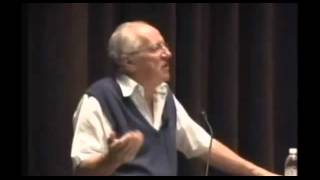
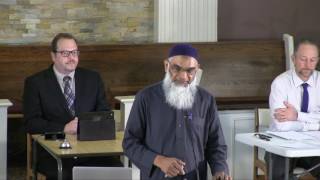
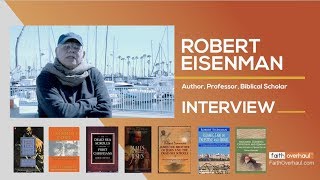
In-depth interview with Dr. Robert Eisneman 2018. Dr. Eisenman is asked detailed questions and provides direct responses to historical events and groups that have been misrepresented by mainstreamdoctrines about Jesus, James, Paul, the expected Messiah, and prophesied apocalypse.Dr. Eisneman is a key player in getting information out to the public about the content and context of the Dead Sea Scrolls writers, and the community of Messianic followers and Zealots for YHWH (God). These were the priests that were overthrown during the Hellenisation of Judea. Details are deep and the relevance is critical to our understanding of what went on with the communities that were active during the time of the Messiah Jesus, the disciples (Zealots) and Paul. Finally how we got the gospels and new testament writings after the dust settled.
Search Results on 'Sicarii Essenes, authors of Dead Sea Scrolls were of an extreme righteous, Apocalyptic mindset, like Muslims - Robert Eisenman'
SCROLL TO :TOPICS | 3NEWS | 2ARTICLES | 1FAQ | 0VIDEO | 25LINKS | 0TOPICS #DEAD SEA SCROLLS ROBERT EISENMAN ESSENES
Topics include Dead Sea Scrolls, Robert Eisenman, Essenes (3)
What is Dead Sea Scrolls? Dead Sea Scrolls (also Qumran Caves Scrolls) are ancient Jewish religious, mostly Hebrew, manuscripts. They were found in the Qumran Caves in the West Bank near the Dead Sea. Many thousands of written fragments have been discovered in the Dead Sea area. They represent the remnants of larger
manuscripts damaged by natural causes or through human interference, with the vast majority only holding small scraps of text. However, a small number of well-preserved, almost intact manuscripts have survived - fewer than a dozen among those from the Qumran Caves. |
Who is Robert Eisenman?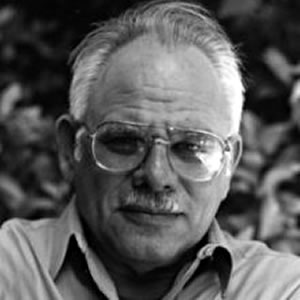 Robert Eisenman (born 1937) is an American biblical scholar, theoretical writer, historian, archaeologist, and "road" poet. He is currently professor of Middle East religions, archaeology, and Islamic law and director of the Institute for the Study of Judaeo-Christian Origins at California State
University Long Beach. Eisenman is professor of Middle East religions, archaeology, and Islamic law and the director of the Institute for the Study of Judeo-Christian and Islamic Origins at California State University Long Beach. He is also a visiting senior member of Linacre College, Oxford University, and was a National Endowment for the Humanities fellow at the Albright Institute of Archaeological Research (American Schools of Oriental Research) in Jerusalem. |
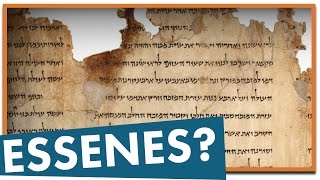
What is Essenes? The Essenes were a Jewish sect during the Second Temple period that flourished from 2 BC to 1 AD. The Jewish historian Josephus records that Essenes existed in large numbers, and thousands lived throughout Roman Judaea, but they were fewer in number than the Pharisees and Sadducees, the other two
major sects at the time. The Essenes lived in various cities but congregated in communal life dedicated to voluntary poverty, daily immersion, and asceticism (their priestly class practiced celibacy). The Essenes have gained fame in modern times as a result of the discovery of an extensive group of religious documents known as the Dead Sea Scrolls, which are commonly believed to be the Essenes' library. These documents preserve multiple copies of parts of the Hebrew Bible untouched from possibly as early as 300 BC until their discovery in 1946. |
News on Dead Sea Scrolls, Robert Eisenman, Essenes (2)
| 1.New Dead Sea Scrolls cave discovered in over 60 years | CNN |
| 2.A.I model 'Enoch' reveals Dead Sea Scrolls are older than believed | JPost |
Articles on Dead Sea Scrolls, Robert Eisenman, Essenes (1)
Bible OT - Dead Sea Scrolls expose a 1303 year gap since Moses life

19,791 views
|
Youtube Videos on Dead Sea Scrolls, Robert Eisenman, Essenes (25)
 Jesus' brother, James was leader of Early Church -
 Who Wrote the

 Writing the
  Secrets of the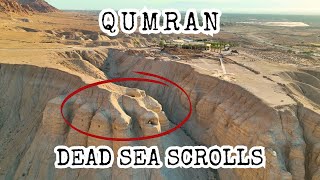
 Sadducees, Pharisees, Zealots and
  Christianity is a Graeco-Roman production for Greek Rome -
  The
The
DISCLAIMER
All videos are shared for educational and information purposes only. All videos are hosted and viewable on Youtube servers. Video titles are generated using the original video title; overall content theme including actual dialogue and speech (Transcript); and A.I-based recommendations with a focus on SEO, keyword density, and internal search functions. The video title does not represent the views held by the Youtube video uploader, or any individual, organisation or business.
If you spot any mistake, omission or give feedback, kindly contact us with details
All videos are shared for educational and information purposes only. All videos are hosted and viewable on Youtube servers. Video titles are generated using the original video title; overall content theme including actual dialogue and speech (Transcript); and A.I-based recommendations with a focus on SEO, keyword density, and internal search functions. The video title does not represent the views held by the Youtube video uploader, or any individual, organisation or business.
If you spot any mistake, omission or give feedback, kindly contact us with details