8:30
596 views
·
Last viewed: 1 hr ago
Uploaded: 23 Jun 2019 (7 years ago) · Shared: 27 Jun 2019
Video Description (from Youtube)
Muslims at LGBTQ Pride Parades? Please support Ilmstitute: Patreon: https://www.patreon.com/ilmstitute GoFundMe: https://www.gofundme.com/ilmstitute PayPal: https://www.paypal.me/ilmstitute SocialMedia:
Facebook: https://www.facebook.com/brothersaajid
Twitter: https://twitter.com/saajidlipham
Instagram: https://www.instagram.com/ilmstitute/
Podcast: https://itunes.apple.com/us/podcast/ilmstitute-radio/id1448124057
DISCLAIMER
All videos are shared for educational and information purposes only. All videos are hosted and viewable on Youtube servers. Video titles are generated using the original video title; overall content theme including actual dialogue and speech (Transcript); and A.I-based recommendations with a focus on SEO, keyword density, and internal search functions. The video title does not represent the views held by the Youtube video uploader, or any individual, organisation or business.
If you spot any mistake, omission or give feedback, kindly Contact Us with details
EXPLORE TOPICS :
HOMOSEXUAL |
134
GAY |
58
LESBIAN |
5
LGBT |
65
SAAJID LIPHAM |
15
LGBT |
65
GENDER DYSPHORIA |
3
PRIDE |
23
ISLAM |
448
EARLY ISLAM |
16
MUSLIM |
305
Overview & Key Concepts
Who is Saajid Lipham?
 Saajid Lipham is an American Muslim convert. He is studying at the Islamic University of Madinah in Saudi Arabia.
What is Muslim?
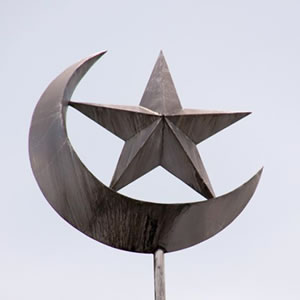 Early Islam or the history of Islam is believed, by most historians to have originated with Muhammad's mission in Mecca and Medina at the start of the
7th century CE. Although Muslims regard this time as a return to the original faith passed down by the Abrahamic prophets, such as Adam, Noah, Abraham, Moses, David, Solomon, and Jesus, with the submission (Islam) to the will of God. According to the traditional account, the Islamic prophet Muhammad began receiving what Muslims consider to be divine revelations in 610 CE, calling for submission to the one God, preparation for the imminent Last Judgement, and charity for the poor and needy.
What is Pride?
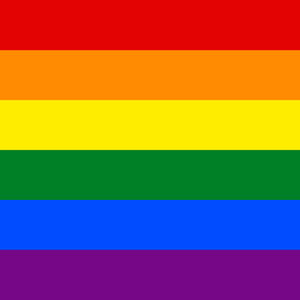 Pride parades (also known as pride marches, pride events, and pride festivals) are outdoor events celebrating lesbian, gay, bisexual, transgender and
queer (LGBTQ) social and self acceptance, achievements, legal rights and pride. The events also at times serve as demonstrations for legal rights such as same-sex marriage. Most pride events occur annually, and many take place around June to commemorate the 1969 Stonewall riots in New York City, a pivotal moment in modern LGBTQ social movements.
What is LGBT?
LGBT stands for lesbian, gay, bisexual, and transgender. In use since the 1990s, the term is an adaptation of the initialism LGB, which was used to
replace the term gay in reference to the LGBT community beginning in the mid-to-late 1980s. Activists believed that the term gay community did not accurately represent all those to whom it referred. The initialism has become adopted into the mainstream media as an umbrella term for use when labeling topics pertaining to sexuality and gender identity.
Videos on Aladura (0)
EXPLORE TOPICS :
HOMOSEXUAL |
134
GAY |
58
LESBIAN |
5
LGBT |
65
SAAJID LIPHAM |
15
LGBT |
65
GENDER DYSPHORIA |
3
PRIDE |
23
ISLAM |
448
EARLY ISLAM |
16
MUSLIM |
305