Live Screenshot
Source link:
https://www.bethinking.org/is-the-bible-reliable/forged-writing-in-the-name-of-godPublished by: BE THINKING on 22 Mar 2011
1628 views · Last view: 5 hrs ago
News Text (from BE THINKING)
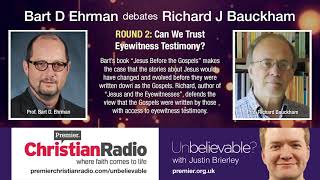
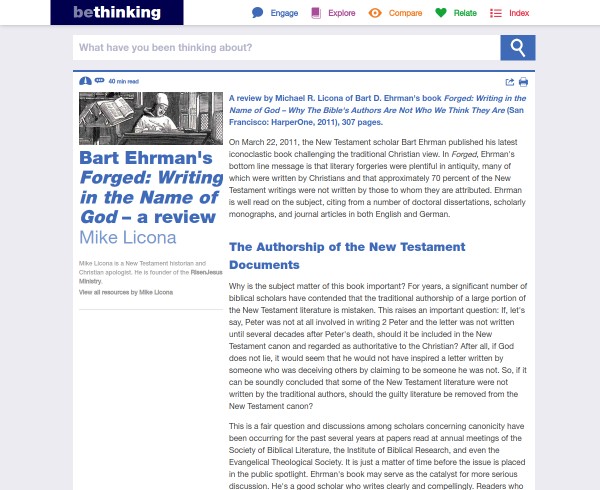
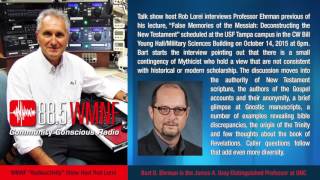
A review by Michael R. Licona of Bart D. Ehrman's book Forged: Writing in the Name of God – Why The Bible's Authors Are Not Who We Think They Are (San Francisco: HarperOne, 2011), 307 pages. On March 22, 2011, the New Testament scholar Bart Ehrman published his latest iconoclastic book challengingthe traditional Christian view. In Forged, Ehrman's bottom line message is that literary forgeries were plentiful in antiquity, many of which were written by Christians and that approximately 70 percent of the New Testament writings were not written by those to whom they are attributed. Ehrman is well read on the subject, citing from a number of doctoral dissertations, scholarly monographs, and journal articles in both English and German.
Why is the subject matter of this book important? For years, a significant number of biblical scholars have contended that the traditional authorship of a large portion of the New Testament literature is mistaken. This raises an important question: If [...]
To view the original News article, click here
DISCLAIMER All news articles are shared for educational purposes only. The news content is hosted on the external news website. News articles titles are derived from the original news title, news content, dialogue, speech or general content theme. The news title may be edited and optimized for SEO, keyword density, information and internal website search purposes. You are advised to view the original news article for a better understanding. If you spot any mistakes, errors or omissions kindly contact us.
Search Results on 'The Authorship of the New Testament Documents - Be Thinking'
SCROLL TO: TOPICS | 1 NEWS | 10 ARTICLES | 3 FAQ | 4 VIDEO | 120 LINKS | 0Topics include New Testament (1)
What is New Testament? The New Testament is the second part of the Christian biblical canon. The first part being the Old Testament, based on the Hebrew Bible. The New Testament discusses the teachings and person of Jesus, as well as events in first-century Christianity. Christians regard both the Old and New Testaments
together as sacred scripture. The New Testament (in whole or in part) has frequently accompanied the spread of Christianity around the world. It reflects and serves as a source for Christian theology and morality. |
News on New Testament (10)
Articles on New Testament (3)
| 1.Bible - 12% of New Testament copied from Old Testament
|
| 2.Timeline of New Testament Bible
|
3.Bible NT - 55% of New Testament Papyrus contain under 3% of Biblical Text

|
 Fallacies of the
  Fallacies of the
  Fallacies of the
  Fallacies of the
  Fallacies of the
  Fallacies of the
  Fallacies of the
  Fallacies of the
  Why are
  How did the
  A Jewish critique of the
  Jesus in the
  Who authored the
  Is the original
  Is the
  Can we trust the
  In 1 John 5:8, the Church corrupted the
  God revealed scripture: Torah, Gospels, Injeel,
  God revealed scripture: Torah, Gospels, Injeel,
  Was the
  Deconstructing the
  Does the
  Is the
  Can we trust the
  Authenticity of the
  Origins of the
  Do we have the Original Manuscripts of the
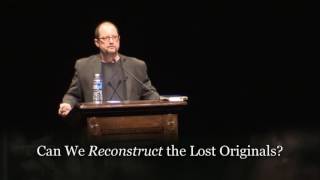
  Can we reconstruct the Original Manuscripts of





 Was the
  Using Logic to understand the
  Trinity is from Paganism; not found in
  Who chose the
 In Isaiah 7:14, Jesus was called Immanuel. Who called Jesus by this name in the
  Original Sin is a false belief in the
  In Jeremiah 31:32 and Hebrews 8:9, God established a
  For 300 years, we have worked to restore the original
  For 300 years, we have worked to restore the original
  Apostle Paul wrote only 7 Letters (of 13) in the
 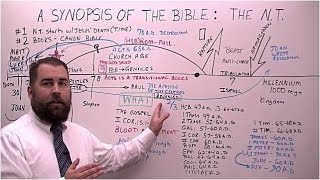 A Synopsis of
  Apostle Paul, Paganism and
  According to the
 75% of
  We do not have the original
  Greek
Greek 
 We are getting closer to the original
 Early Christians did not believe Trinity, or write about it in
 Jesus, an Aramaic speaking Palestinian.
  Original text of all
  In John 7:53, Scribes added, later removed, the Adulteress story from
  In Mark 16:9-20, Scribes wrote a 'longer ending' to
  In 367 AD, the
  In 1545 AD, Council of Trent was first ecumenical council to officially recognise 27
  Apocalypse of Peter almost made it into the
  Early Christians invented Jesus' stories, sayings and sermons; aka
  5,300
5,300  Church growth led to demand for
  RSV (Revised Standard Version) is most accurate
  Bart Ehrman is most well-known, prolific writer and Professor of
 Jesus' resurrection is nowhere to be found in the
  After Nicaea 325 AD, Constantine had Eusebius determine the earliest
  The original
  Jesus preached the Oral Gospel (Injeel), not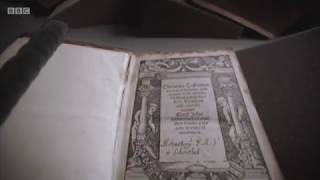
 Christians believed in Jesus' Resurrection before the
 There is only one, true God, a 'Unitarian' Father in
  Belief in Jesus' Crucifixion & Resurrection determine our Salvation, not the
  Which Church Council gave Athanasius authority to decide the 27
  Codex Sinaiticus: Oldest Surviving Christian
  Marcion (85-160 AD) listed 11 books in
  Christianity needs Jesus' Resurrection, not the
  History of
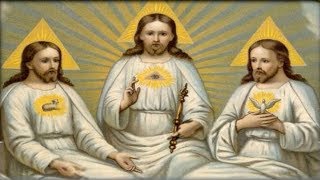 Trinity is a false doctrine not found in Old
 Catholic tradition decided the
  In 367 AD, Athanasius decreed the 27
 How the Old &
 Apostle Paul and his
  Apostle Paul and his
  Is the
  Did Rome Create the
  Did Apostle Paul know his Letters would appear in the
  Islamic Dilemma - Does The Quran confirm