Live Screenshot
Source link:
https://www.independent.co.uk/news/uk/home-news/ancient-koran-found-at-birmingham-university-may-have-belonged-to-prophet-mohammed-s-friend-and-a6783886.htmlPublished by: INDEPENDENT on 23 Dec 2015
2948 views · Last view: 16 hrs ago
News Text (from INDEPENDENT)
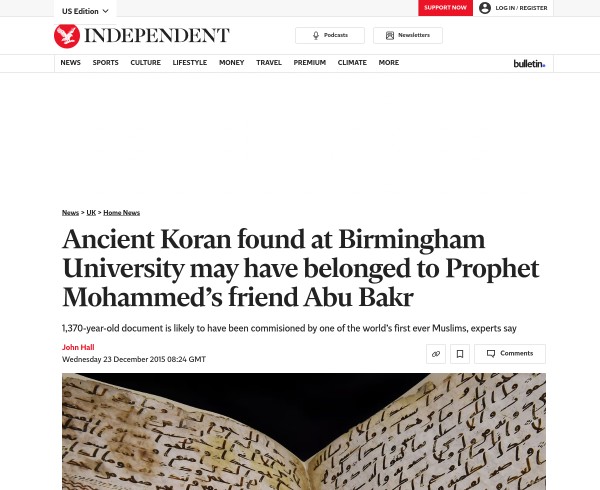
1,370-year-old document is likely to have been commisioned by one of the world’s first ever Muslims, experts say Removed from bookmarks I would like to be emailed about offers, events and updates from The Independent. Read our Privacy notice An ancient copy of the Koran found at the University ofBirmingham may have belonged to Abu Bakr, one of the world’s first ever Muslims.
Radiocarbon dating carried out in July found the fragments to be at least 1,370-years-old, raising the possibility it could be the oldest copy of the Islamic holy book in existence.
Now Jamal bin Huwareib, managing director of the UAE’s Mohammed bin Rashid Al Maktoum Foundation for Islamic studies, has suggested that such an early document could only have been commissioned by a very small number of people – the most likely of them being Abu Bakr.
Abu Bakr is widely thought to be the first person to convert to Islam outside the Prophet Mohammed’s direct family. He served as a friend and trusted [...]
To view the original News article, click here
DISCLAIMER All news articles are shared for educational purposes only. The news content is hosted on the external news website. News articles titles are derived from the original news title, news content, dialogue, speech or general content theme. The news title may be edited and optimized for SEO, keyword density, information and internal website search purposes. You are advised to view the original news article for a better understanding. If you spot any mistakes, errors or omissions kindly contact us.
Search Results on 'Ancient Koran found at Birmingham University may have belonged to Prophet Mohammed's friend Abu Bakr - Independent'
SCROLL TO :TOPICS | 1NEWS | 9ARTICLES | 2FAQ | 5VIDEO | 212LINKS | 2TOPICS #PROPHET
Topics include Prophet (1)
What is a Prophet? In religion, a prophet is an individual who is regarded as being in contact with a divine being and is said to speak on that entity's behalf. They claim to be serving as an intermediary with humanity by delivering messages or teachings from the supernatural source to other people. The message that
the prophet conveys is called a prophecy. In Islam, all prophetic messengers are prophets (such as Adam, Noah, Abraham, Moses, Jesus, and Muhammad) though not all prophets are prophetic messengers. The primary distinction is that a prophet is required to demonstrate God's law through his actions, character, and behavior without necessarily calling people to follow him, while a prophetic messenger is required to pronounce God's law (i.e. revelation) and call his people to submit and follow him. |
News on Prophet (9)
Articles on Prophet (2)
Muhammad in Bible: Prophet like unto Moses - Deuteronomy 18:18

34,012 views
|
Jesus the Jewish Prophet

22,550 views
|
FAQ on Prophet (5)
| 1.What is a Prophet? |
| 2.Did a prophet ever commit a sin? |
| 3.What is a prophet or messenger of God? |
| 4.Could there be a Prophet after Muhammad? |
| 5.Did people believe Jesus was a Prophet? |
Youtube Videos on Prophet (212)

 Life of

 Story of
 Story of
  Jesus A
  Lessons from the Life of
  Muhammad: A
  Jesus: A
 Noah [Longest Serving
  Was Muhammad a true
  The Trials of
  My turning point was when I discovered the Kabah was built by
 Jesus, Son of God or
  Prayers of
  Is Jesus a
  If Mohammad was the last
  Story of
  Story of
  Story of
  Story of
  Story of
  Story of
  Story of
  Story of
  Story of
  Story of
  Story of
  Story of
  Story of
  Story of
 Who is the
 Jesus:
  Story of
  Story of
  Story of
 Is David and Muhammad a
  Muhammad: Fake or True
  Evidence Muhammad is a
  Evidence Muhammad is a
  Evidence Muhammad is a
  Evidence Muhammad is a
  Evidence Muhammad is a
  Did Haile Selassie claim to be a
  Quran tells me Jesus was a
  Pray like
 In John 14:16, Jesus said no
  After Jesus, the Early Christians followed James. They Hated Apostle Paul the Liar, Heretic and False
  You believe Man landed on the Moon. I believe Muhammad is a
  You believe Man landed on the Moon. I believe Muhammad is a
 It suited Muhammad to make himself the last
  In Deuteronomy 18:18, the

 Story of
  In Luke 13:33, no
  Isaiah 53 is about
  Lessons from
  Ezekiel The
  Story of
  In Deuteronomy 18:18, a '












 Jesus was a Jewish
  In John, Jesus is a God-like diety from Heaven. In earlier Gospels, Jesus is more of a man-
 Jesus, a Jewish
  Luke's Gospel depicts Jesus as a
 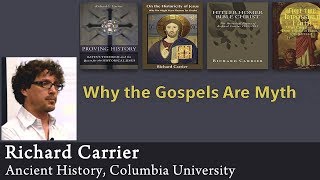 Jesus stories are plagarized versions of Moses', the Old Testament
  Was Imam Ali of higher status than
  NT Gospels ordered so baby Jesus the Jewish
  Muhammad met 5-points qualifying as a
  Muhammad met 5-points qualifying as a
  Who made Guru Nanak a
  Pope Francis is a Catholic
 Life of
  The Call of
  In Luke 24:19, Jesus of Nazareth is called a man who was a 'Jewish
  In Deuteronomy 13:2, Jews have the criteria to reject Jesus and Christianity, as a false
 Is Muhammad a true
 Jewish Tanakh has Muhammad as a
  Islam raises all Prophets to Jesus' status AND lowers the Christian Jesus-God to Jewish-
 The Story of
  The Story of
  The Story of
  The Story of
  The Story of
  The Story of
  The Story of
  The Story of
  The Story of
  The Story of
  The Story of
  Angel Gabrial: A
  Elijah the Gentile
  Moses, an Arabic-speaking
  Muhammad: A
 Adam, the First Human and First
 Thamud: The People of

 Madyan: The People of
 Speciality of


 Who is Muhammad,
  Proof of Muhammad as the Final
  Buddha a
 How was
  Muhammad, a
  Was Buddha a Muslim
  Proof Muhammad was a true
  Muhammad The
  Muhammad & The Empires of Faith: The Making of The
  Elijah the
  Zoroaster, the first Monotheist
  Life of
  The
The  Moses, the Model
  The Jewish Messiah (FALSE
  Elijah - The
  Elijah the
  Israel seize land around
  Malachi, the Last
  Palestinians rally to protect
  Every Abrahamic
  Why is Jesus a
  Was Samuel just a
  Who was Samuel in the
 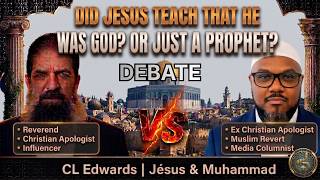 Did Jesus Teach He is God or
  Zechariah - The Minor
  Zechariah - The
  Elisha - A
  Elisha - The
  Micaiah - The
  Elisha - The
  Elisha - How God defended His
  Isaiah - The
  Deborah, Barak & Jael | The Fearless Female
  Jonah and The Whale - The
  Hosea - The
 Links on Prophet (2)
| 1.Prophet Lot |
| 2.Story of Prophet Lot |