ISLAM MUSLIM
The religion began with the teachings of Muhammad in the 7th century. The theology of Islam is based on the Qur'an, which was given to Muhammad by God. Some of the major fundamental principles of Islam include the Five Pillars, which hope to unite all Muslims into a community. Two different factions of Muslims exist - the majority are known as Sunni, with a small percentage known as Shi'a - both predominantly reside throughout the Middle East.
Muhammad died in 632 AD and the religion of Islam formally started after his death. The Quran was formally compiled and finalised in 650 AD, prior to which it was 'memorised' and written across many parchments.
Youtube Videos on Islam, Muslim (430)
 ISIS,
 Jesus sent by God with a Message from God,
 Abraham invites his father to
 Many Christians Converted To
 The Muslim Jesus - ITV Documentary
 Great British
 Ishmael in
 Women In
 My Journey to
 How the Bible Led Me to
 Jesus: A Prophet of
 Jesus told me to convert to
 Former Christian Preacher Speaks About
 My Journey To
 Morality and Religion - Sikhism,
 Muslim questions a Sikh - Dawah Man vs Basics of Sikhism
 Convert from Hinduism to
 Similarities between
 What does
 Was Jesus a Muslim? - Robert Shedinger
 Jesus of the Holy Bible vs Jesus of the Quran (
 Is Christianity and
 What's common between
 New Muslim Daughter of a Drug Cartel: I Was Looking for a Better Life and I Found
 Why am I a Muslim? - Shadid Lewis
 3 Jamaican Christians explain why they chose
 From Youth Christian Minister to
 From Youth Christian Minister to
 From Youth Christian Minister to
 What is
 Jesus, Son of God or Prophet of

 Jesus in
 Why Christian Minister US Marine Embraced
 His father's books turned him to
 Who do you follow: Apostle Paul or Jesus and the Disciples? - Christian vs Muslim
 Jewish Rabbi Admits
 My Journey To
 From Christianity to
 Epic Muslim Christian Debate - Larry Taunton vs Mansur Ahmad
 Why does
 Zoroastrianism influenced Judaism, Christianity and
 How contradictions in the Christian Bible led me to
 Biblical Christianity or
 What does

 Science and
 Jesus in
 Salvation in Christianity and

 Jesus in
 Jesus: Jew, Christian or Muslim? - Joshua Evans
 Jesus in
 Theory of Evolution in
 Womens rights in

 Life of a Jewish Rabbi in Indonesia, the largest Muslim country? - Tovia Singer
 Dead Sea Scrolls are closer to
 Does White Supremacy exist in
 Science and
 Jewish historian on
 Jewish historian speech on
 Jewish historian admits all prophets were Muslim Prophets - Moshe Sharon
 David, Australian science teacher converts to
 David, Australian science teacher converts to
 Prophet Jesus in
 A Jewish Rabbi presents
 Was Adam an African? - SaRa vs Jamaican Muslim
 Who decides who is a Muslim? - SaRa vs Muslim
 Similarities Between Christianity And
 Pre-Islamic Allah - Gary & Godwin vs Muslim
 From Judaism to
 From Judaism to
 From Judaism to
 From Judaism to
 Education was invented by Early Muslim Civilizations - Abbas London vs Atheist 1/3
 Education was invented by Early Muslim Civilizations - Abbas London vs Atheist 3/3
 Is

 The Crusades: The Muslim Response - Al-Jazeera 2/4
 Is
 Salvation in
 Salvation in
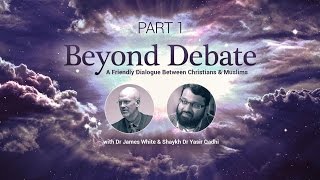 Christian-Muslim Dialogue - James White vs Yasir Qadhi 1/2
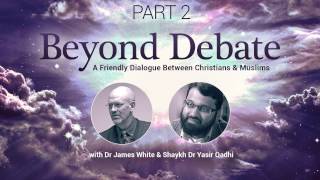 Christian-Muslim Dialogue - James White vs Yasir Qadhi 2/2
 Does
 No Compulsion in Religion. Yet
 Srebrenica 1995 - What happened to the 8,000 Muslim men taken prisoner by Christian Serb forces? - Mark Urban
 Origins of
 Why
 Ricardo, a Catholic Christian convert shares his journey to
 What does
 No Racism in
 In Psalm 137:9, it is injustice to kill the Baby and innocent Donkey - Muslim vs Christian
 The origins of
 Slavery in
 Slavery in
 Racism and
 A Christian Mormon converts to
 Are
 You are a Unitarian. You are a Muslim - Muhammad Tawheed vs Jamaican Live
 Is there a place for Homosexuality in
 Homosexuality in
 Homosexuality in
 The Scientific Method cannot provide an Evolutionary explanation for Intuition. It's Impossible! - Shabir Yusuf vs Ex-Muslim Ansar 1/3
 The Scientific Method cannot provide an Evolutionary explanation for Intuition. It's Impossible! - Shabir Yusuf vs Ex-Muslim Ansar 2/3
 The Scientific Method cannot provide an Evolutionary explanation for Intuition. It's Impossible! - Shabir Yusuf vs Ex-Muslim Ansar 3/3
 ISIS has no foundation in
 Malcolm X: America Needs
 Randy, US Army Officer converts to
 Ikram from Scotland converts to
 In the 21st Century, the Bible has been corrupted. Portugese Michael converts to
 3 Jews and a Muslim agree God was no Man - Ali Dawah vs Godwin
 When The Muslim Moors Ruled In Europe (2005)
 Why I converted to
 How


 Christian Preacher converts to Muslim Community Leader - Khalil Meek
 Former Baptist Minister Converts To
 Is Evolution Compatible With
 USA American Prisoners convert to
 In Deuteronomy 18:18, the prophet to come was Joshua (Judaism), Jesus (Christianity) or Muhammad (
 All Terrorists Are Muslim myth? - Omar Suleiman
 Is
 In Science, happiness is a myth. In
 In Science, happiness is a myth. In
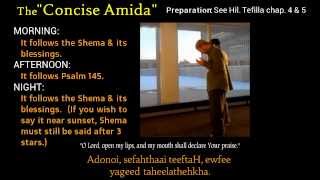 Jesus prayed the Jewish Prayer (Amida), like a Muslim
 Jesus the Jew was a Unitarian. Monotheism is common amongst Unitarian Christians and
 Noureddine, an American military veteran converts to
 Sexual Slaves, Prostitution and
 Muhammad was Semi-Vegetarian. It's OK to be Muslim and Vegetarian - Hamza Yusuf
 Moses was a Muslim - Hassan Shibly
 Introduction to
 Arthur Wagner, former AfD German Nationalist converts to
 Can Salvation be found outside of
 Nabateans: Builders of Petra (pre-
 Conversations with
 20% of Kuwaitis suffer from Diabetes. I blame
 Greater Israel & Planned Destruction of Arab Muslim States (Yinon Plan)
 Where's the evidence British Muslim children are being radicalised? - Abbas London
 Are
 Tommy Robinson is no Power Ranger. Grooming Gangs are not Muslim - Ali Dawah vs 5 Lads
 Jesus in
 Jewish Rabbis admit
 Theological Similarities between Christianity &
 Introduction to
 Similarities between
 I am not a Slave. I am an Atheist, Christian and Muslim - Chacha Usman vs Man
 Islamophobia USA:
 Myanmar's Anti-Muslim Buddhist Monks (Rohingya) - Al-Jazeera
 Christian Zionism: American Evangelical Christians pursue War with
 God created me short-sighted so I wear glasses. I converted to Athiesm - Mohammed Hijab vs Ex-Muslim
 David vs Goliath story in
 According to
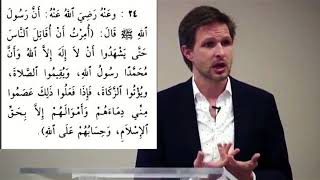 God commanded Muhammad to fight until the people converted to
 We are poisoned Slaves in a controlled System.
 Muslim Spain protected Jews from extinction for 800 years - Hamza Myatt vs Jewish William
 History of
 Empire of
 Empire of
 Empire of
 I want to convert to
 Pornography in
 Child 'Grooming Gangs' have nothing to do with
 Jesus never ate Pig. He despised the Swine and Pig. Follow Jesus and accept
 John 1:1 proves Jesus' divinity, and John 1:14 shows Jesus' humanity - Muslim vs Christian
 Practical Advice for New Muslim Converts - Saajid Lipham
 Jews bring people to God. I am happy Sinead O Connor converted to

 Before Slavery, the Black Man was a Muslim - Leo Muhammad (NOI)
 Muslim Uyghurs speak out against Chinese 're-education' camps
 Nation of
 Life of Prophet Muhammad - Yusuf
 Why Inmates Are Converting to
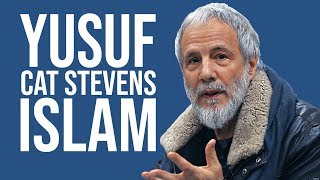 The Oneness of God ('Monotheism') is the most powerful message - Yusuf
 Jesus' toenail is not holy. Your thick head talks crap - Muslim vs Kane
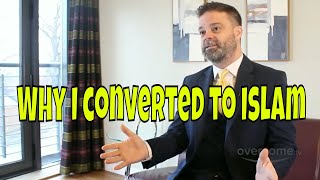 My journey why I converted to
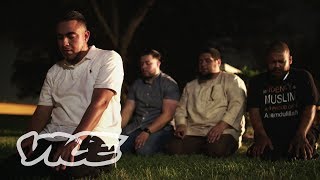 Latinos Converting to
 Blasphemy Laws in
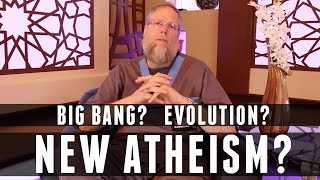 My Journey from Atheism, Big Bang, Science to
 In Quran 65:4, Ibn Kathir and Ibn Abbas allow for Child Marriage in
 Introduction to
 Homosexuality in
 The Message: Story of
 Teaching Homosexuality/LGBTQ to Muslim Children - Saajid Lipham

 Pornography has enslaved Muslim countries. Satan has the Technology to destroy you - Hamza Yusuf
 Pre-
 Maimonides (1204 AD), a Jewish scholar is proof Muslim civilization protected Jews for 1000 years - Adnan Rashid vs Joseph LondonSC 2/2
 Maimonides (1204 AD), a Jewish scholar is proof Muslim civilization protected Jews for 1000 years - Adnan Rashid vs Joseph LondonSC 1/2
 Why US Prisoners convert to
 How does Judaism view Christianity &
 In
 The Future of
 Should Americans fear
 In Matthew 15:24, Jesus called the Woman a Dog, then medicated her Daughter - Kane vs Muslim
 1000 Muslim Scholars (Ulama) tortured & imprisoned in Saudi Arabia today - Usuli Institute

 The Black Stone and Safa-Marwa 'most likely' originate from pre-
 History of
 My Convert Story to
 In Quran 43:61, how does
 Historians write of many Kabah's or Pilgrimage sites in pre-
 In
 Any White Man who accepts

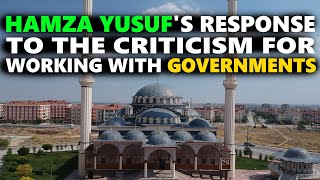
 Belief in One God is what sets
 After 9/11, I read of 'Muhammad & the 40 Thieves' and rejected
 Concept of a 'Unified' God in
 Quit Hating! Understand
 Every Christian must learn about Jesus in
 Who is Muhammad, Messenger of God, Prophet of
 Girls go into Muslim Kebab Shops and get Groomed. Why? - Hamza Saudi vs Danny
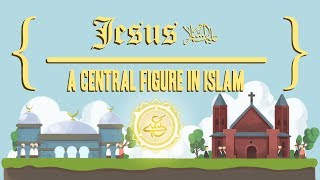 Jesus: A Central Figure In
 Jesus in
 In Chicago and elsewhere, Latinos convert to
 The Nation of
 Abortion in
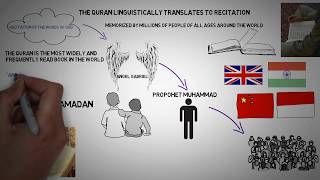 The Quran: Primary Source of
 The Jesus of
 Apple/Google Smartphone 'Coronavirus contact tracing' may increase policing of Immigrant & Muslim Communities - Real News
 Former 40-Year Christian Minister converts to
 Pornography in
 Importance of Virgin Mary in
 As a Muslim, I don't want to pray Namaz (Salah). What to do? - Abu Layth
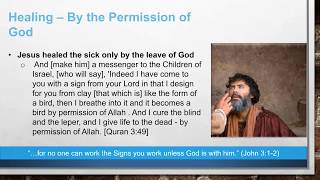 Jesus In
 English Man realizes he is a Muslim, not a Christian - DawahIsEasy
 Did Michael Jackson die a Muslim? - DeenShowTV
 Converting from Jehovah Witness to
 The 6 Point Plan to 'normalize' LGBT/Homosexuality in the Muslim World - Daniel Haqiqatjou
 All Muslim Countries & Arab Leaders are signed-up to the NWO 'Antichrist' UN AGENDA 2030 - Northlake Church
 Historically, Slavery in
 In Christianity, God shares love with Jesus. In
 Cat Stevens, Fame & The 'Islamic' Spiritual Life - Russell Brand & Yusuf
 Muslim refugees in Italy - VPRO Documentary
 After Judaism, Christianity,
 In
 In 2012, UAE financially crackdown on 'terrorist' Muslim Brotherhood - Tayab Ali
 Muslim view on the Birth of Jesus - OnePath
 Was Buddha a Muslim Prophet of God? - Hussain Yee (DeenShowTV)
 I Converted to
 Transgender rights in
 Astrology in Early Judaism and
 Is
 Early
 Homosexuality in
 Why Is Swine Pork Forbidden in Judaism, Christianity and
 Fasting in Buddhism, Christianity,
 Every Muslim Country is a Friend of Israel | Sami Hamdi
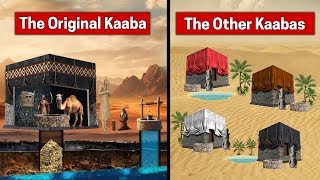 The Kabahs, Gods and Stone Idol Worship in Pre-
 Freedom, Justice and Dignity missing in Muslim Lands | Usuli Institute
 Weak Muslim Countries Explained in 10 Minutes | Muslim Skeptic
 Allah and The Gods of Pre-
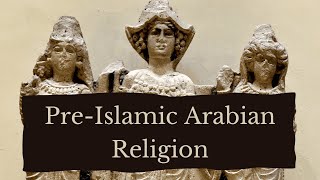 Ancient Gods and Paganism in Pre-
 Origins of Kabah in Pre-
 Muslim Leaders watch as Palestinians Die on Eid 2025 | George Galloway
 Muslim Zionism: UAE Choose Israel Over Palestine | Muslim Skeptic
 Exploring Jesus The Muslim | Gabriel Reynolds | ReligionForBreakfast
 Persian Iranians Educated the Arab Muslim World
 Jordan bans Muslim Brotherhood and its 'Ideology' | Middle East Eye
 When Arab Leaders and Your Muslim Brothers Betray You | Usuli Institute
 Persian Origins of Orthodox Sunni
 Exploring the Origins of
 Numerology Is More Important Than
 Critical Insight into Origins of
 Saudi Arabia - Unity with Wahhabis and British Empire | Muslim Skeptic
 POLL: 47% Israeli Jews support IDF Army killing all Palestinian Muslims in Gaza | Muslim Skeptic
 Madkhali-Wahhabi Politics - Attack Palestine. Protect Saudi Arabia | Muslim Skeptic
 UAE Exposed - Dirty Authoritarian Politics and Promotion of Sufi Values | Andreas Krieg | Thinking Muslim
 Saudi Arabia Wahhabi and British went to War Against Turkish Ottomans | Muslim Skeptic
 'Bismillah' prayer existed in a multi-faith. pre-
 Niqab (Face Covering) is NOT from
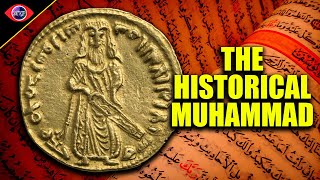 Muhammad & The Empires of Faith: The Making of The Prophet of
 How Muslim Countries help Israel KILL Persians and Palestinians | Lowkey | Double Down News
 Wahhabi/Salafis seek Peace With Zionist Israel. War with Deviant Muslims | Muslim Skeptic
 Evidence of Gods in Pre-
 Babies are born with Homosexual genes? | Muslim Lantern vs LGBTQ
 Muslim Zionists bow down to Israel | Mahmood OD
 Origins of
 Judaism, Christianity &
 Angel Gabriel in
 Did Arabs copy into
 Gaza Action 2025 - Where are the Muslim Leaders, Rulers & Armies? | Yasir Qadhi
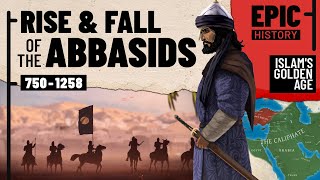 Abbasid Caliphate 747 AD:
 Rise of Abbasid Caliphate 747 AD:
 Muslim Scholars, Muslim Countries and Madkhali-Sufis abandoned Palestine | Farah El-Sharif | Thinking Muslim
 What Everyone Should Know About
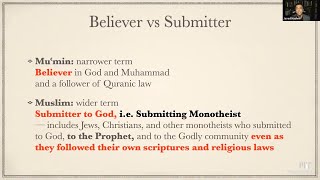 Believer (Mumin) vs Submitter (Muslim) - Early
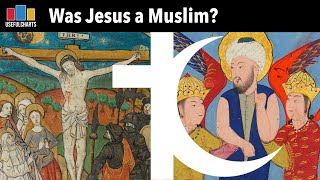 Was Jesus A Muslim? | UsefulCharts
 Greater Israel needs More Land, More Settlements & More Blood? | HEATED Debate | Muslim Skeptic vs Awesome Jew
 WD Farad Muhammad - The Man, Myth, and Mystery of the Nation of
 Saddam and Gaddafi warned Arab Muslim Countries against Zionism years ago. Did they listen? | CJ Werleman Show
 Will A.I ChatGPT overtake
 Early Developments in Quran Compilation,
 Billionaires fixate over
 Moon God Theory in
 Chronology of Early
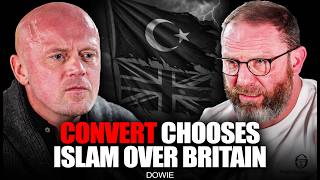 The Truth about Shariah Law and UK Muslims | Liam Tuffs vs Muslim Dowie
 What Early Christians said about Muhammed | Orthodox Muslim
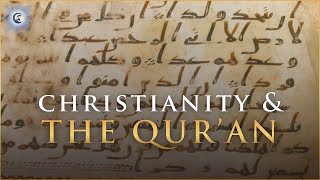 Relationship between
 USA bombs 7 Muslim Countries in 2025. How many Muslim Countries protested? | Usuli Institute
 In the History of Persian Iran lay the foundations of Sunni
 Muslim Countries WAKE UP to 'The Greater Israel Project' | Tucker Carlson vs Mike Huckabee | Muslim Skeptic
 Perennialism (Universal Truth) exists in
 Arab Leaders fear Alternative Thoughts, Opinions and Ideas | Abdullah Alaoudh | Thinking Muslim
 Israel uses their
 The Evil of Madkhali
 The Golden Age of
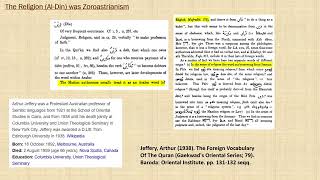 Influence of Persia and Zoroastrianism on
 Who is closer to Judaism: Christianity or
 The Search for Beauty in
 History of The Nation of
 Evolution of Early
 The Necessity of Suffering in
 Shameful Zionist Arab Leaders and Muslim Countries attack Iran | George Galloway
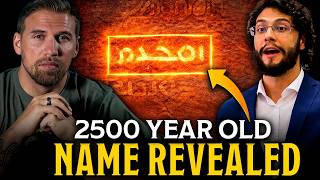 Archaeology for the worship of Shams, a Sun God in Pre-
 One Truth or Many?
 Muslim & Jew explore religious differences and common ground in 2026 | Bro Hajji vs Israel Horowitz
 Ready to Convert to
 'Dirty Global Politics' is why UAE Supports Zionism over Muslim Countries | Sami Hamdi
 Where are the Muslims to stand against Israel? | Muslim Skeptic
 The Mysterious, Hidden Origins of
 Israel's Objective to destroy Gaza and evict Palestinians | Norman Finkelstein | Thinking Muslim
 UAE heads 'War On Terror' Against Muslims | Farah El-Sharif | Thinking Muslim
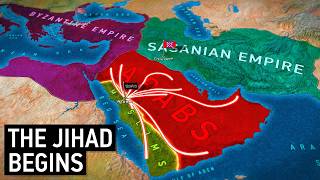 Animated History of
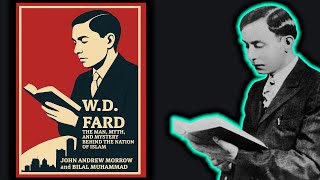 Origins of The Nation of
 Quran affirms the Bible and Torah | DEBATE - Muslim Skeptic vs GodLogic
 Evolution of The Allah God from Pre-
 History of the Muslim World | Michael Cook 2/2
 History of the Muslim World | Michael Cook 1/2
 Development of The Quran's linguistics in Pre-
 The Heart of
 Growth of
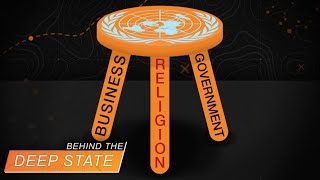 Forget
 Muslim Leaders promote Pagan Earth Worship and The Great Reset | Leo Hohmann | aminutetomidnite
 Zakariya & His Family in Light of
 Canada is closer to an Islamic State, than Muslim Countries today | Tareq Al-Suwaidan
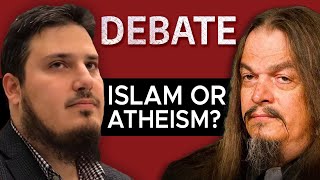 DEBATE - What is Better for Society,
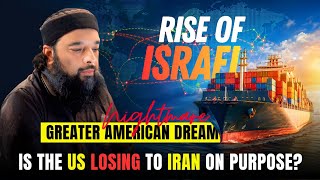 Fall of the Arab Muslim Countries | Omar Baloch
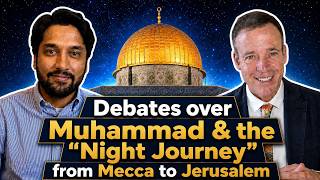 Muhammad's Night Journey and Early
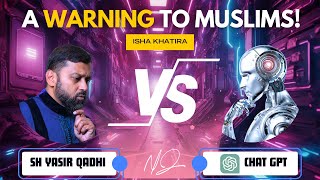 Is A.I dangerous for
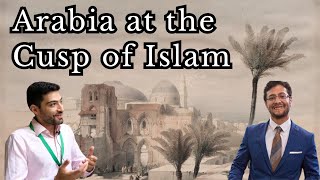 Pre-
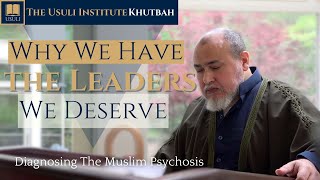 Genocides Everywhere! Where are the Muslim Rulers? | Usuli Institute
 Muslims say 'We Hear, We Obey our COVID Vaccine Master' | Muslim Skeptic
 Obey The Muslim Ruler! Even if Palestinians Die | Usuli Institute | Nader Hashemi
 Early
 Growing Influence of
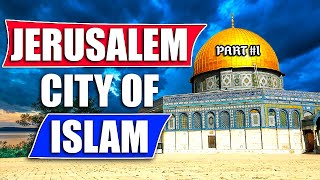 Jerusalem, City of
 Jerusalem, City of
 Rome-Persia War (602-628 AD) set the context for Early
 Fall of Arab Salafism and Rise of Greater Israel in 2025 | Muslim Skeptic
 Hudaybiya - Quraysh tribe demanded 'Ar-Rahman' be removed; Mecca become central location for
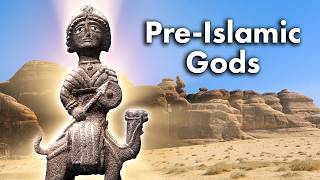 The Idols & Gods of Pre-
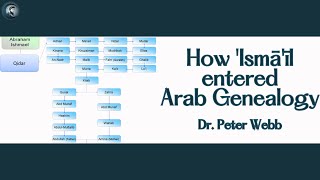 Muhammad's lineage to Ishmael is not from Pre-
 Where did
 Christian Church points to 'ambiguous' Bible verses to claim Jesus is GOD | Muslim Lantern vs Lady Caller
 Did Early
 Growth of
 Is
 Replace the 'ABRAHAMIC MATRIX' with 'Science & Art' from Aryan, European Whites | Richard Spencer vs Orthodox Muslim vs Sneako
 Where did Jesus claim to be GOD in The Bible? | Muslim Lantern vs Christian
 Was Abraham a Torah-Observant Jew? | Aaron Golfiz vs Orthodox Muslim vs Sneako
 Why is Jesus a Prophet in
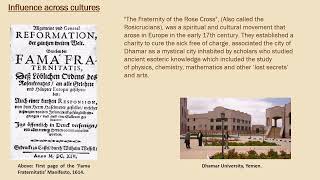 Jews in Pre-
 History of
 How America Got Owned - Zionist War Agenda and 9/11 War Against
 9/11 LIES and Zionist War Against
 Criticisms of Early
 NWO Satanism to replace Judaism, Christianity and
 Influence of Christan Sects over Early
 Palestinian suffering in Gaza turned me into a MUSLIM | Smile2Jannah vs Italian
 Who is Jesus The Messiah in
 Cycling Into Medina,
 History of Early
 In Christianity, Adam & Eve Sinned, so Jesus could Save - Judaism and
 Who was Allah in Pre-
 'Tech Zionist' Settlers Expand into Muslim Countries | CJ Werleman Show
 A Muslim Understanding of The Bible (12 Lessons) | Ali Ataie 1/12
 A Muslim Understanding of The Bible (12 Lessons) | Ali Ataie 2/12
 A Muslim Understanding of The Bible (12 Lessons) | Ali Ataie 3/12
 A Muslim Understanding of The Bible (12 Lessons) | Ali Ataie 4/12
 A Muslim Understanding of The Bible (12 Lessons) | Ali Ataie 5/12
 A Muslim Understanding of The Bible (12 Lessons) | Ali Ataie 6/12
 A Muslim Understanding of The Bible (12 Lessons) | Ali Ataie 7/12
 A Muslim Understanding of The Bible (12 Lessons) | Ali Ataie 8/12
 A Muslim Understanding of The Bible (12 Lessons) | Ali Ataie 9/12
 A Muslim Understanding of The Bible (12 Lessons) | Ali Ataie 10/12
 A Muslim Understanding of The Bible (12 Lessons) | Ali Ataie 11/12
 A Muslim Understanding of The Bible (12 Lessons) | Ali Ataie 12/12
 Did
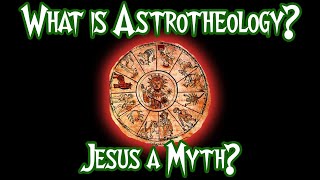 Astrotheology Connection to Religions, Judaism, Christianity and
 Judaism & Jews, like Maimonides (1204 AD), flourished in Muslim Lands | Ali Ataie
 The Secret Behind the Rise of
 Origins of Christianity | Areeb
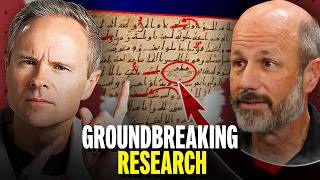 Early Quran Manuscripts. Do Textual Variants Negatively Effect
FAQ on Islam, Muslim (111)
1.What is Islam?
Islam translates to submission and full surrender to God. Under this core definition, all historical prophets sent to humanity are considered Islamic prophets. This extensive list features prominent figures such as Adam, Abraham, Noah, Moses, David, Jesus, and Muhammad.
2.Who is a Muslim?
A Muslim is a dedicated follower of the religion of Islam. This theological path is defined as a monotheistic Abrahamic faith revealed through the final prophet, Muhammad.
3.Were all Prophets Muslim?
Yes, because they all consistently preached the worship of one absolute God and prohibited the worship of false deities.
4.Do Muslims believe in Prophets?
A Muslim is strictly required to believe in, honour, and respect each and every prophet sent by God without exception.
5.Did a prophet ever commit a sin?
Islam teaches all prophets were of high moral character and did not succumb to the sins their people committed. Although prophets were humans and capable of human errors of judgment, but such errors does not diminish their superiority or the respect Muslims are obliged to have for them.
6.Why choose the name MuslimProphets.com?
The name reflects that all prophets taught monotheism and the worship of one God, making them all 'in-essence' considered Muslim.
7.Does Islam promote extremism, terrorism and violence?
No, the platform maintains that Islam is a religion of peace and tolerance, aligning with the message of all prophets.
8.Where can I learn more about Islam?
Various online sources are available.
9.What is the Quran?
The Quran is the sacred scripture of Islam, which was revealed to Prophet Muhammad through the Angel Gabriel.
10.What is the basic teaching of Islam?
The basic teaching is to make peace with God, which requires a person to submit to Him and obey His commands completely.
11.How did Islam come into the world?
The religion of Islam in its present form came to us through the teachings of the Prophet Muhammad, who lived and preached in Arabia some 1400 years ago (born 571 CE, died 632 CE). However, Muhammad taught that he was not bringing a completely new religion into the world, because the basic principles of Islam had also been preached by all the great founders of the various religions before him. Islam, therefore, did not begin with Muhammad, but was also the religion of Abraham, Moses, Jesus and every ancient prophet.
12.If all prophets taught Islam, what was so different about Muhammad?
Over time, previous teachings had been altered or lost, so Muhammad was sent as the final prophet to restore, update, and unify the foundational principles of faith into a complete religion.
13.What do I have to do to become a Muslim?
One becomes a Muslim by publicly declaring the shahada, or testimony of faith, acknowledging there is no god but Allah and Muhammad is His messenger.
14.What is the basic teaching of Islam about God?
Islam teaches that there is one, and only one, God Who is the Creator and Controller of the entire universe. He is unique in every respect, and there is nothing which bears any likeness to Him. He is the Knower of all things, and has full power over the whole of creation. He does not stand in need of anything at all, while everything is totally dependent on Him. He possesses all the perfect qualities, and man should worship Him, and Him alone.
15.Does Islam give any arguments to prove the existence of God?
The Holy Quran gives three kinds of arguments on this point.
Firstly, it refers us to the physical world which shows great order and arrangement, works according to laws, and where everything has a set purpose in the whole scheme of things. There is also immense beauty in nature which attracts man's heart. Science is discovering more and more of these characteristics of the world all the time. So behind this highly purposeful and beautiful working of nature must be One, single Intelligence of great beauty and attraction.
Secondly, the Quran tells us about the close and deep connection between God and the inner nature of every person. There is an in-built desire in each and every person to search for something higher than oneself, and when in difficulties a person instinctively wants to call upon a Hidden Power to help him.
Thirdly, and most convincingly, Prophets and men of God appeared in every nation in the world and showed their people the reality of God through their teachings and works. Just as most of us learn about science not by making all the discoveries ourselves, but by accepting the work and evidence of those who devote themselves to the study of science, similarly the proof of the existence of God is provided by the lives of the great luminaries whom God sent all over the world for this very purpose.
16.Other religions also teach the existence of God. Is there any difference between their teaching and the Islamic concept of God?
The first major difference is that Islam teaches the absolute one-ness of God, with Whom no one can share in Divinity. No idol or heavenly object, nor any religious or spiritual teacher, can possess some Divine power or attribute.
Secondly, Islam teaches the highest conception of God, and does not accept any limitation to His power and knowledge, while other religions set limits to Him. For instance, Islam rejects the Hindu belief that God is not the Creator of matter and souls but exists alongside them. It also rejects the Christian doctrine that God is unable to forgive sins unless He punishes someone, and so He sent His 'son' to suffer the punishment for the sins of all humanity. Moreover, a son is needed to take the place of the father when the father dies, and clearly this cannot apply if God is perfect.
Thirdly, Islam refutes the idea that any human being, however great, was a 'manifestation' of God on earth, or a Divine incarnate.
17.What functions do angels perform?
These are of two kinds: their functions in the physical world, and the spiritual development of man.
In the physical world, the working of nature is governed by laws, as science has shown by discovering many of these laws. Islam teaches that these laws have been devised by God, and the angels - the obeying functionaries of God - put them into action.
On the spiritual side, the angels communicate God's revelation to the Prophets and other righteous ones, bring comfort and strength to the hearts of true believers, and inspire noble thoughts in the minds of all persons. They do this, of course, by acting through the spiritual senses of human beings, not their physical senses like the eyes or ears.
18.Christianity and Hinduism revere their religious figures as gods or incarnations of God
According to Islam, all these righteous persons were mortal, human prophets of God, like Muhammad, having the same needs that every human being has. They all eventually died, as everyone must.
There are several reasons why they have come to be revered by their followers as 'gods'. One is that their words were misunderstood by the later generations, who mistook their figurative expressions in a literal sense. Another is that the details of their lives were not preserved accurately, and therefore a great many myths have grown up around them, and their works and deeds have been much exaggerated.
19.What did the Prophets teach?
All prophets gave the same basic teaching: that man should worship God, and God alone, and do good to his fellow beings. Ofcourse, the details of the teachings differed according to the nation and the time in which a Prophet appeared. In the Quran, the teachings of all Prophets are called Islam, and the Prophets and their true followers are labelled Muslims. This refers to the fact that the fundamental teachings given by all of them were the same - submission to God.
20.Name the scriptures available today?
Scripture revealed before the coming of Muhammad cannot be found today in their full and original form. However, these scriptures do contain some fragments of the original teachings, although they are mixed up with later additions and interpretations. Some of these scriptures are: the Torah of the Jews, the Gospels of the Christians, the Vedas of the Hindus, and the Zend Avesta of the Zoroastrians.
On the other hand, the latest word of God that came to Muhammad is still intact and completely preserved in the Muslim scripture, which is the Quran.
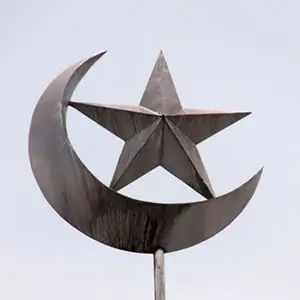
21.Is the Star and Crescent a symbol of Islam?
The crescent is not a symbol of Islam, but of the Ottoman Empire. The Ottomans are those tribes that moved to Turkey from east and middle Asia. They converted to Islam and built a huge Muslim Empire that ruled the whole Muslim world for centuries. When they took Islam as a religion they started using the lunar calendar, the calendar that was used by Muslims, Jews and early Christians. Even today, the flag of Turkey has a crescent on it. There was no crescent on any mosque built before the Ottomans era.
22.Who built the Kabah in Saudi Arabia?
Prophet Abraham built the Kaaba for people to worship God. While pagan Arabs admitted this fact and even kept the stone where he used to stand to build the Kaaba (Abraham's station), they brought idols to the Kaaba and worshiped them to get closer to Abraham's Lord, Allah, God of gods. Prophet Muhammad came with the monotheistic message of Islam. Arabs defended these idols and refused to give up the religion of their fathers and grandfathers.
23.Is Allah the Moon-God?
No, this is a entirely false claim that originally originated from a Christian pastor named Robert Morey; Islam explicitly refutes this idea, maintaining that Allah is the all-powerful, unique Creator of the entire universe and not a pagan entity or a creation like the moon.
24.How are Noah, Abraham, Moses and Jesus considered Muslim Prophets, when Islam came 600-years after Jesus?
A Muslim is essentially defined as anyone who believes in and submits to one God; because all of these historical prophets consistently preached the message of pure Monotheism and called people to worship the Creator alone, they are considered to be Muslim in-essence regarding their foundational theological beliefs.
25.Do Muslims believe in a God?
Yes, Muslims believe in Allah as the all-powerful, eternal Creator who is separate from creation, has no partners, no gender, and is the absolute sole entity worthy of human worship.
He is transcendent and not a part of his creation. He is all-powerful, absolutely Just and He is First, Last, and Everlasting; He was when nothing was, and will be when nothing else remains. Also, There is no other entity in the entire universe worthy of worship besides Him.
This belief in God is how one becomes a Muslim and is similar to the first commandment of Christianity and Judaism: You shall have no other gods before Me.
Allah the Eternal,Absolute;
He does not beget,not nor is He begotten,
And there is none like Him. [Quran 1:1-4]
26.In Islam, can God become a Man?
No, God is perfect and He is all powerful. Both Muslims and Christians accept that this is true. The ontological term for this is that God is 'immutable' or absolute in His perfect nature. In the Christian faith, God's incarnation is seen as a manifestation of His power, whereas in Islam it is seen as the changing of God's nature. If God is perfect, and God's nature changes, how can He be perfect?
It would have to mean that He was not perfect before and is now perfect, which would not make Him God or that He was perfect before and is now not perfect, which would also not
make Him God.
If God is perfect, then there is no need for Him to become anything, so that He can grant us salvation. Since He's already perfect, loving and merciful, why would He need to change His nature to a weaker, human nature to grant us salvation? That's a contradiction. Therefore, when the Christian argues that God changing His nature makes Him perfect, this is not the case. They need to think before they speak.
If God is perfect and you add something to His nature, does that mean He was not perfect before? Which means He was not a God before this addition?
If God is perfect and you add something to His nature, that would mean He lacked something before and thus could not be a God.
27.After the death of Muhammad, the Quran was changed?
This is false. The first three Caliphs, especially Uthman completed a critical analysis of the entire Quran text.
This was due to the rapid expansion of Islam in the first decade amongst people whose native language was not Arabic. So it was deemed essential the text retained its original purity.
Uthman sent copies of the standardized Quran text to the centre of the Islamic Empire. Today, copies attributed to Uthman exist can be found in Tashkent and Istanbul.
Apart from a few dialect variations in copying, the oldest documents known to the present day found throughout the Islamic world are identical; the same is true for documents preserved in Europe (fragments in the Bibliothèque Nationale in Paris which, according to the experts date from the 8th Century AD).
The minor dialect variations do not change the general meaning of the text. For example, the absence of diacritical marks could make a verb either active or passive and in some instances, masculine or feminine. This is a minor issue since the context indicated the meaning in many instances.
Therefore the Quran has been fully preserved since its revelation.
28.Is Muhammad mentioned in the Bible?
Mainstream Christian and Jewish biblical scholars state that Muhammad is not mentioned anywhere in the Hebrew Bible or New Testament, as these texts predate Islam by centuries. However, Islamic theology interprets specific biblical passages as prophecies of his coming, most notably Deuteronomy 18:18 (a prophet 'from among their brothers') and the promised 'Comforter' (Paracletos) in John 14-16, which Muslims believe refers to Muhammad rather than the Holy Spirit.
29.Did Jesus claim to be equal to God?
This is the central point of departure between mainstream Christianity and Islam. Mainstream Christian theology states that Jesus affirmed his equality with God through declarations of essential unity (such as 'I and the Father are one' in John 10:30) and by accepting divine worship. Conversely, secular scholars and Islamic theologians highlight passages showing functional subordination, such as John 14:28 ('the Father is greater than I'), arguing that the historical Jesus viewed himself as an exalted messenger entirely dependent on God's authority.
30.If God is so powerful, can he become a man?
This question highlights a core philosophical divide between Christian and Islamic theology. In mainstream Christianity, God's omnipotence means He has the power to manifest Himself in the material world, and the Incarnation: God taking on human flesh in the person of Jesus is viewed as the ultimate expression of His love and willingness to humble Himself for human salvation. In Islamic theology, this concept is rejected as an absolute logical contradiction; Islam teaches that God's nature is completely perfect, unchangeable (immutable), and transcendent, meaning the infinite, eternal Creator cannot simultaneously possess the weak, limited, and mortal attributes of a human being.
31.What is the difference between Uniterian, Binaterian and Triniterian?
These terms define distinct theological frameworks regarding the nature of the Godhead.
Unitarianism is the strict monotheistic belief that God exists as only one single divine Person (the position held by Judaism, Islam, and certain non-mainstream Christian groups).
Binitarianism is the belief that the Godhead is comprised of exactly two divine Persons, typically the Father and the Son, acting in complete unity.
Trinitarianism is the orthodox, mainstream Christian doctrine defining God as one absolute divine Being who exists eternally and simultaneously as three co-equal, co-eternal Persons: the Father, the Son, and the Holy Spirit.
32.Does Islam encourage violence?
From an objective theological perspective, standard Islamic jurisprudence explicitly prohibits unprovoked violence, aggression, and the targeting of civilians, defining warfare strictly under defensive parameters. While fringe extremist groups frequently misinterpret isolated text to justify modern terrorism, mainstream Islamic law actively prioritizes peace, diplomacy, and the protection of religious minorities.
33.Why should non-Muslims pay the Jizya (tax)?
In classical Islamic law, the Jizya was a poll tax levied annually on adult, able-bodied non-Muslim male subjects (Dhimmi) living under an Islamic state. Historically, this tax served a dual purpose: it exempted non-Muslims from mandatory military service (which was required of Muslims) and acted as a financial contribution for state-provided security and the protection of their property, life, and religious freedom.
34.Can the Muslims have non-Muslim friends?
Muhammad was kind to the pagans of Mecca and fought them only when they fought him. He made treaties with the Jews of Madinah and honored the treaties until they broke them. He received the Christians of Najran with kindness in Madinah. They argued with him about Islam, but he treated them with honor and respect.
35.Why should non-Muslims pay a Jizyah tax?
Historically, the Jizya functioned as a protection tax, exempting non-Muslim subjects (dhimmi) from military service in exchange for state security, as established in the legal frameworks of early Islamic states.
36.Is their violence in the Quran?
Like many ancient religious scriptures, including the Hebrew Bible, the Quran contains passages dealing with warfare, military engagement, and state-level defense. Academic historians note that these specific verses were revealed chronologically during the 7th century to regulate battle conduct, enforce military discipline, and motivate the early Muslim community when they were heavily outnumbered by hostile pagan forces in Arabia.
37.Why do Muslims say non-Muslims will go to Hell?
One of the basic teachings of Islam is that God does not have a favorable opinion of those who knowingly deny His right to be worshiped alone (as He alone is responsible for our creation, our sustenance, and our judgement) and reject any of His messengers.
This is not to say that there will be conveyor belts for each religion, and we just jump on and go to either Heaven or Hell according to what we call ourselves. Each person will be judged based on their understanding of God's message, as well as his or her capability and intentions to follow the path to God as best he or she could.
Muslims are not allowed to say that someone will go to hell just because they call themselves a Christian, Jew, or Polytheist. Muslims are not allowed to speak without knowledge. And each person's destination in the Hereafter is known only to God.
It is interesting to note that some people of different faiths insist on telling everyone who does not go to their specific place of worship that they will certainly be going to Hell (knowledge they do not have). But when they see this Quran verse, they are upset by it.
38.Did Muhammad actually exist?
Stephen of Alexandria writes of an Arab merchant around the year 630 CE:
'In the desert of Ethrib there had appeared a certain man from the so-called tribe of Quraysh of the genealogy of Ishamel whose name was Muhammad and who said he was a Prophet. He appeared in the month of Pharmuti, which is called April by the Romans, of the 932nd year from the beginning of Philip. He has brought a new expression and a strange teaching, promising to those who accept him victories in wars, domination over enemies and delights in paradise.'
Source: De Stephano Alexandrino, Horoscope (21 edition, Hermann Usener, Bonn: 1880).
By Ethrib he means Yathrib (or what was later called Madina), the 932nd year of Philip corresponds to the year 620 CE. This Arab merchant does not know about Muslim beliefs, but knows enough details that correspond to the core historical beliefs of Muslims:
1. That Muhammad peace be upon him was a Prophet.
2. That he migrated to Madinah.
3. That there were wars since the migration.
39.How is Muhammad connected to Dome of the Rock?
The most prominent connection in Islam. Muslims believe the foundation rock inside the shrine marks the spot where Prophet Muhammad ascended to heaven during his miraculous Night Journey (Al-Isra' wal-Mi'raj). Islamic tradition also holds that he led a congregation of earlier prophets in prayer at this location prior to his ascension
40.What was Aaron's role and title in Islam and biblical tradition?
In Islamic tradition, Aaron is revered as a noble prophet appointed by God to assist Moses. In biblical and Jewish tradition, he is celebrated as the very first High Priest of Israel (Kohen Gadol), establishing the hereditary priesthood (Levitical priesthood).
41.Who was Prophet Abraham, and why is he called the 'Father of Monotheism'?
Abraham was a foundational prophet revered across Judaism, Christianity, and Islam collectively known as the Abrahamic faiths. Born in the ancient Mesopotamian city of Ur, he rejected the idol worship of his society and declared faith in the One True God. His steadfast obedience made him the spiritual patriarch of monotheism and the direct ancestor of numerous prophets through his sons, Isaac and Ishmael.
42.Is Prophet Adam mentioned in the Quran and the Bible?
Yes, Adam is a central figure in Judaism, Christianity, and Islam. In the Quran, he is mentioned by name 25 times and is highlighted as God's Khalifah (vicegerent or steward) on Earth. In the Bible, his creation, life in Eden, and initial command from God are detailed in the Book of Genesis.
43.What is the role of Prophet Jesus in the end of days?
Both Christian and Islamic eschatology anticipate the Second Coming of Jesus. Christianity awaits his return to judge the living and the dead and establish the Kingdom of God, while Islam teaches he will return to usher in a period of universal peace, justice, and truth.
44.Who was Prophet Jethro in religious and historical tradition?
Jethro (known as Shoaib in Islam and Reuel in early biblical passages) was a wise prophet, elder, and priest of Midian (located near modern-day northwest Saudi Arabia and Jordan). He was the father-in-law of Moses, offering him refuge and guidance after Moses fled Egypt.
45.How is Jethro revered across different faith traditions?
Islam: Revering him as the prophet Shoaib, Islamic tradition highlights his eloquence (Khateeb al-Anbiya) and records that his defiant people were destroyed by a sudden earthquake and scorching heat wave after rejecting his call to honesty and monotheism.
Judaism & Christianity: Honored as a righteous priest of Midian whose wisdom and counsel helped organize early Israelite leadership.
Druze Faith: Rebuilt as a central spiritual figure, founder, and chief prophet in Druze tradition, where his tomb at Nabi Shuayb in Horns of Hattin is an annual pilgrimage site.
46.Who was Prophet Job across major world religions?
Job (Ayyub) is universally recognized across Judaism, Christianity, and Islam as a righteous, wealthy patriarch and prophet renowned for his unwavering faith, righteousness, and legendary patience (Sabr) during extreme suffering.
47.How is Prophet Job revered in different religious traditions?
Judaism & Christianity: His story is recorded in the Book of Job in the Old Testament/Hebrew Bible, celebrating his integrity and wrestling with deep questions about divine justice.
Islam: Revered as the prophet Ayyub in the Quran (Surah Al-Anbiya and Surah Sad), praised by God as an excellent, patient servant who constantly turned back to the Creator.
48.Who was Prophet John in religious and historical tradition?
John (known as John the Baptist in Christianity and Yahya in Islam) was a deeply pious prophet, ascetic preacher, and contemporary cousin of Jesus. Operating in the wilderness of Judea, he spent his life preaching repentance, virtue, and devotion to God.
49.What was John's primary spiritual role and connection to Jesus?
John served as a spiritual herald and precursor to Jesus. In Christianity, he baptized people in the Jordan River including Jesus symbolizing spiritual purification and preparing the public for the Messiah's ministry. In Islam, he is revered as a noble prophet who confirmed the truth of Jesus's message.
50.How is Prophet John revered across different faith traditions?
Christianity: Revered as the forerunner of Christ, the last major prophet of the Old Covenant era, and a major saint across liturgical traditions.
Islam: Revered as the prophet Yahya, praised in the Quran for his purity, gentle wisdom, humility, and steadfast faith from childhood.
Mandaeism: Honored as their primary and ultimate prophet, whose teachings on baptism form the core of their religious practice.
51.Who was Prophet Jonah in religious and historical tradition?
Jonah (known as Yunus in Islam) was a 8th-century BC prophet sent by God to preach repentance to the residents of Nineveh (near modern-day Mosul, Iraq), a vast city struggling with moral corruption.
52.How is Prophet Jonah viewed across different faith traditions?
Judaism: His story is read annually on Yom Kippur during the Mincha (afternoon) service to emphasize the power of sincere repentance and divine forgiveness.
Christianity: Jesus references the 'Sign of Jonah' in the New Testament Gospels, comparing Jonah's three days in the whale's belly to His own three days in the tomb before resurrection.
Islam: Revered as Yunus (and Dhu'n-Nun, 'Companion of the Fish') in the Quran, where an entire chapter (Surah Yunus) is named after him, celebrating his heartfelt prayer of repentance.
53.How is the story of Joseph viewed in different holy texts?
Judaism & Christianity: His life is detailed across the final chapters of Genesis in the Hebrew Bible / Old Testament, highlighting God's providence in turning human evil into divine good.
Islam: An entire chapter of the Quran (Surah Yusuf) is dedicated to his life, designated by God as the 'Best of Stories' (Ahsan al-Qasas) to highlight faith, chastity, and patience.
54.Who was Prophet Joshua in religious and historical tradition?
Joshua (known as Yusha' ibn Nun in Islam and Yehoshua in Judaism) was a courageous military general, prophet, and the chosen successor to Moses. Born in Egypt during the Israelites' bondage, he led the Twelve Tribes across the Jordan River to conquer Canaan and fulfill the promise of entering the Holy Land.
55.Is Prophet Joshua mentioned in the Quran and the Bible?
Hebrew Bible / Old Testament: He is the central figure in the Book of Joshua and features prominently in Exodus and Numbers as Moses' loyal attendant and one of the 12 spies sent to scout Canaan.
Islam: While not explicitly mentioned by proper name in the Quran, classical Islamic scholars identify him as the young companion who accompanied Moses on his journey to meet Al-Khidr (Surah Al-Kahf). His status as a prophet is explicitly affirmed in Hadith literature.
56.How is Judah viewed across different monotheistic faiths?
Judaism: Revered as a central founding patriarch whose tribe held the royal and messianic lineage.
Christianity: Honored as a direct ancestor of Jesus Christ, who is referred to in the New Testament as the 'Lion of the Tribe of Judah'.
Islam: Recognized as one of the twelve sons of Jacob (Asbat) mentioned in the Quran, whose life demonstrates themes of repentance, family responsibility, and divine reconciliation.
57.How is Levi viewed across different faith traditions?
Judaism: Honored as the ancestral father of the Levites and the Kohanim (the priestly class), establishing a legacy of religious service and devotion.
Christianity: Recognized as a key Old Testament patriarch whose lineage prepared the priestly backdrop for the New Testament ministry, including John the Baptist.
Islam: Respected as one of the twelve sons of Jacob (Asbat) recognized in the Quran, whose family ultimately established a noble line of guidance and faith.
58.Who was Prophet Lot in religious and historical tradition?
Lot (known as Lut in Islam) was a righteous patriarch, prophet, and nephew of Abraham. Sent to the Jordan River valley, he served as a messenger to the cities of Sodom and Gomorrah, urging the people to abandon rampant immorality, highway robbery, and corruption.
59.How is Prophet Lot viewed across different faith traditions?
Judaism & Christianity: His story is recorded in the Book of Genesis, highlighting his hospitality toward the angels, his survival from Sodom's overthrow, and his status as a righteous man vexed by the surrounding lawlessness (2 Peter 2:7).
Islam: Honored as a noble, steadfast prophet (Lut) who remained devoted to God despite extreme isolation and resistance from his community, praised in the Quran across multiple chapters.
60.Who was Mary, the mother of Jesus, across world religions?
Mary (Maryam) is globally revered as one of the most holy, righteous, and prominent women in history. In Christianity, she is honored as the Virgin Mary, Theotokos (Bearer of God), and the mother of Jesus.
In Islam, she is revered as Maryam, the mother of Prophet Isa, and the only woman mentioned by name in the Quran.
61.How is Mary commemorated and remembered globally?
Christianity: Celebrated through major feast days (The Solemnity of Mary, the Assumption/Dormition), Marian devotions, and pilgrimage sites like Lourdes and Fatima.
Islam: Reverted as a paragon of piety, faith (Siddiqa), and ultimate devotion to God, serving as a role model for all believers.
62.How is Prophet Methuselah viewed across different faith traditions?
Judaism & Christianity: Revered in the Book of Genesis as a righteous patriarch whose immense lifespan represented God's patience with humanity before sending judgment.
Islam: Honored in traditional Islamic histories and scholarly commentaries (such as those by Ibn Kathir) as a noble, monotheistic patriarch and link in the ancestral chain of prophets between Adam and Noah.
63.How is Midian viewed across different faith traditions?
Judaism & Christianity: Detailed in Genesis and Exodus as a vital branch of Abraham's family tree, serving as both a place of shelter for Moses and later a kingdom that clashed with the Israelites during the Judges era.
Islam: Referenced in the Quran as Madyan, a prominent historical region associated with the mission of Prophet Shoaib and the early life of Musa (Moses).
64.Who was Prophet Moses across world religions?
Moses (Musa) is one of the most pivotal prophets, lawgivers, and religious leaders in history.
In Judaism, he is the supreme prophet who led the Israelites out of Egyptian slavery and received the Torah on Mount Sinai.
In Christianity, he is a major Old Testament prophet and foreshadower of Christ.
In Islam, he is revered as Musa, an Ulul 'Azm (resolute) messenger and the most frequently mentioned prophet in the Quran.
65.What divine revelations were given to Prophet Moses?
On Mount Sinai (Horeb), God spoke directly to Moses, earning him the Islamic title Kalimullah ('the one who spoke with God'). There, Moses received the Ten Commandments and the Torah (known in Islam as the Tawrat), establishing foundational moral laws for the nation of Israel.
66.Who was Prophet Muhammad in world history?
Muhammad (570-632 AD) was an Arab religious, social, and political leader who unified Arabia into a single religious polity under Islam. Revered by over 1.8 billion Muslims worldwide as the final messenger and prophet of God (Khatam an-Nabiyyin), he is recognized historically as one of the most influential figures in human history.
67.How is Prophet Muhammad viewed across different faith traditions and history?
Islam: Venerated as the final prophet who restored the pure monotheism of Abraham, Moses, and Jesus, serving as the ultimate moral role model for humanity.
Interfaith & Secular History: Evaluated as a revolutionary reformer, statesman, and lawgiver who transformed Arabia, elevated women's legal rights, abolished tribal warfare, and instituted lasting social justice.
68.Who was Prophet Noah across major world religions?
Noah (Nuh) is a major prophet and patriarch in Judaism, Christianity, and Islam. Recognized as the 'Second Father of Humanity', he was sent during an era of deep spiritual corruption to call people back to monotheism and righteousness.
69.How is Prophet Noah honored in different faith traditions?
Judaism & Christianity: Detailed in the Book of Genesis, he is revered as a righteous man who 'walked with God' and established the Seven Laws of Noah (Noahide Laws) for all humanity.
Islam: Reverted as Nuh, one of the five Ulul Azm (Arch-Prophets of Firm Resolve), with an entire chapter of the Quran (Surah Nuh) dedicated to his mission and steadfast faith.
70.How is Phinehas viewed across different religious traditions?
Judaism: Revered as a legendary High Priest, hero of righteous indignation, and central figure of an entire weekly Torah portion (Pinchas). Rabbinic tradition frequently associates his zealous spirit with the Prophet Elijah.
Christianity: Honored as a faithful leader whose decisive actions demonstrated the power of intercession and faith under the Old Covenant.
Islam: Recognized through classical historical and scriptural commentaries as a noble figure from the priestly line of Harun (Aaron) who helped preserve monotheistic guidance among the Children of Israel.
71.How is Prophet Samuel revered across different faith traditions?
Judaism: Honored as one of the greatest biblical prophets, often grouped alongside Moses and Aaron for his spiritual integrity and leadership (1 & 2 Samuel).
Christianity: Celebrated as a crucial Old Testament prophet who prepared the royal line of David from which Jesus descended.
Islam: Recognized as a noble prophet (Samu'il) who restored faith, anointed Saul (Talut), and laid the groundwork for David's prophethood and kingdom.
72.How is Prophet Seth viewed across different religious traditions?
Judaism & Christianity: Detailed in the Book of Genesis as a key patriarch whose lineage ('the sons of God') preserved righteousness prior to the Great Flood.
Islam: Honored as the prophet Sheeth, a pivotal receiver of early revelation who governed humanity with justice after the passing of Adam.
Gnosticism: Revered in ancient Sethian Gnostic traditions as a divine illuminator and heavenly progenitor of the spiritual realm.
73.How is Prophet Shem viewed across different faith traditions?
Judaism: Revered in the Book of Genesis as a blessed son of Noah whose lineage preserved godliness; rabbinic tradition frequently identifies him with Melchizedek, the righteous King of Salem.
Christianity: Honored as a direct, foundational patriarch in the Old Testament genealogy of Jesus Christ.
Islam: Honored in classical historical texts (such as those by Al-Tabari and Ibn Kathir) as the noble, monotheistic son of Nuh from whom the prophets of the Middle East descended.
74.Who was Prophet Solomon across world religions?
Solomon (known as Sulaiman in Islam) was a legendary king of Israel, prophet, and the son of King David. Celebrated for his unprecedented wisdom, immense wealth, and vast kingdom, he is honored across Judaism, Christianity, and Islam as a uniquely empowered monarch and divine messenger.
75.How is Prophet Solomon viewed across different faith traditions?
Judaism & Christianity: Revered as the wise king who built the First Temple and presided over the Golden Age of Israel, though biblical texts record his political decline late in life due to foreign alliances.
Islam: Honored as a noble, fully righteous prophet (Sulaiman) who remained completely devoted to God, using his vast kingdom, wealth, and miracles strictly to spread divine monotheism.
76.Who was Prophet Zechariah in religious and historical tradition?
Zechariah (known as Zakariyya in Islam) was a high priest, prophet, and spiritual leader of the Children of Israel. Descended from the priestly line of Aaron, he served in the Second Temple in Jerusalem and is revered in Judaism, Christianity, and Islam for his unyielding faith, devotion, and role as the father of John the Baptist (Yahya).
77.How is Zechariah related to John the Baptist?
Zechariah (known as Zakariyya in Islam) was a high priest, prophet, and spiritual leader of the Children of Israel. Descended from the priestly line of Aaron, he served in the Second Temple in Jerusalem and is revered in Judaism, Christianity, and Islam for his unyielding faith, devotion, and role as the father of John the Baptist (Yahya).
78.How is Prophet Zechariah viewed across different faith traditions?
Judaism: Recognizes historical prophets named Zechariah, most notably the author of the Book of Zechariah, who encouraged the rebuilding of the Second Temple and foretold messianic prophecies.
Christianity: Honored in the Gospel of Luke as a righteous priest whose prophetic song, the Benedictus, celebrated the coming of the Messiah and the role of his son, John the Baptist.
Islam: Revered as Zakariyya, a noble prophet praised in the Quran (notably in Surah Maryam and Surah Al-Imran) for his patience, devotion, and guardianship of Maryam.
79.How has Zoroastrianism influenced major world religions?
Historians and theologians note that Zoroastrianism deeply influenced Judaism, Christianity, and Islam. Key concepts such as an ultimate good versus evil (God vs. Satan), heaven and hell, a messianic figure, a final judgment, and bodily resurrection originated or were heavily shaped within Zoroastrian thought.
80.Is atheism growing or dying out globally?
Global statistics indicate that atheism is expanding rapidly. According to historical data from the WIN-Gallup international polls, non-Muslim and secular countries show substantial rates of disbelief, with countries like China (91%), Japan (87%), Sweden (78%), and the UK (73%) showcasing dominant or massive secular populations. A consensus among online demographic discussions on Quora confirms that despite arguments about differing birth rates, atheism continues to grow largely because many individuals raised in religious households shift toward secularism during adolescence or adulthood.
81.Is the Bahai Faith a sect of Islam?
No, it is a distinct, independent religion. While it emerged out of a Muslim context in Persia similar to how Christianity emerged out of Judaism, the Bahai Faith features its own unique laws, administration, and expansive volume of sacred scriptures revealed by Baha'u'llah.
82.What religions are combined in Cao Dai?
Cao Dai is fundamentally a syncretic faith that harmonizes three core Eastern traditions with prominent Western religions. It explicitly integrates the ethics of Confucianism, the occult practices and philosophies of Taoism, and the karma and rebirth doctrines of Buddhism (collectively known as the Tam Giao, or Three Religions). Furthermore, it incorporates elements of Christianity, Islam, and spiritualist mediumship.
83.Where is the Cao Dai Holy See located?
The Cao Dai Holy See (Toa Thanh Tay Ninh) is the global headquarters and spiritual heart of the religion, located in Tay Ninh Province, Vietnam, approximately 90 kilometers northwest of Ho Chi Minh City. Built between 1933 and 1955, this massive cathedral is famous for its vibrant architectural style, blending the structural layout of a Christian cathedral with the features of a Buddhist temple and Muslim minarets.
84.What is the Druze religion?
The Druze religion is a monotheistic, Abrahamic, and highly secretive syncretic faith that emerged during the 11th century in Cairo, Egypt. Adherents, known as the Druze, are a distinct ethnoreligious group primarily living in the Levant. The faith blends the foundational monotheism of Shia Isma'ili Islam with elements of Christianity, Gnosticism, ancient Greek philosophy (such as Neoplatonism and Pythagoreanism), and Hinduism.
85.What are the core beliefs of the Druze?
The foundational theology of the Druze centers on Tawhid, the absolute oneness and unity of God. The core beliefs dictate that God is entirely transcendent, incomprehensible, and above all human attributes, yet can manifest divinely in the physical universe. Instead of traditional pillars of Islam, the Druze live by seven moral precepts, which place a supreme emphasis on absolute truthfulness, mutual protection of the community, and complete submission to God's will.
86.What is Islam and who is a Muslim?
Islam is a major monotheistic Abrahamic religion that originated in the Arabian Peninsula in the 7th century CE. The word 'Islam' is derived from an Arabic root meaning peace and submission to the will of God (Allah). A Muslim is an adherent of Islam, someone who actively follows its teachings and vows to live in accordance with divine guidance.
87.Who is the founder of Islam?
Muslims believe that Islam does not have a human founder, as it is the eternal truth revealed by God since the creation of the world. However, historically, the religion was revived and formalized by the Prophet Muhammad (born in Mecca around 570 CE). Muslims revere Muhammad not as a divine being or creator, but as the final and ultimate prophet sent to restore the pure monotheistic faith of Abraham, Moses, and Jesus.
88.What are the Five Pillars of Islam?
The Five Pillars of Islam (Arkan al-Islam) form the mandatory core framework of a Muslim's spiritual and daily life:
1. Shahada (Faith): Reciting the declaration that there is no god but Allah and Muhammad is His messenger.
2. Salah (Prayer): Performing ritual prayers five times a day facing the Kaaba in Mecca.
3. Zakat (Charity): Giving a fixed percentage (typically 2.5%) of one's accumulated wealth to support the poor.
4. Sawm (Fasting): Abstaining from food, drink, and marital relations from dawn to sunset during the holy month of Ramadan.
5. Hajj (Pilgrimage): Undertaking the sacred pilgrimage to Mecca at least once in a lifetime, if physically and financially able.
89.What is the Quran?
The Quran (also spelled Koran) is the holy book of Islam which Muslims believe to be the literal, verbatim word of God as revealed to the Prophet Muhammad through the Angel Gabriel over a 23-year period. Composed of 114 chapters (surahs), the Quran serves as the ultimate source of theology, law, morality, and daily guidance for over 2 billion Muslims worldwide.
90.What are the Six Articles of Faith in Islam?
While the Five Pillars govern outward actions, the Six Articles of Faith (Arkan al-Iman) dictate the core internal theological beliefs required of every Muslim:
1. Belief in Allah as the one and only supreme God.
2. Belief in His angels (such as Gabriel and Michael).
3. Belief in His holy books (including the Torah, Psalms, Gospel and the Quran).
4. Belief in His prophets and messengers (from Adam and Noah to Abraham, Moses, Jesus and Muhammad).
5. Belief in the Day of Judgment and the afterlife (Paradise and Hell).
6. Belief in divine decree or destiny (Qadar), meaning God possesses absolute ultimate knowledge of all events.
91.Do Muslims believe in Jesus?
Yes, Muslims deeply love and revere Jesus (known in Arabic as Isa). In Islam, Jesus is recognized as one of God's greatest and most critical prophets. The Quran explicitly affirms his virgin birth and credits him with performing numerous miracles, such as healing the sick and raising the dead. However, Islam rejects the Christian doctrine of the Trinity, teaching that Jesus was a purely human prophet rather than the literal Son of God, and that he was not crucified but raised directly to heaven by God.
92.What is the difference between Sunni and Shia Muslims?
The historical division between the two main branches of Islam stems from a political disagreement following the Prophet Muhammad's death in 632 CE over who should lead the Muslim community:
• Sunni Muslims: Comprising roughly 85-90% of the global Muslim population, they believed leadership should pass to the most capable companion elected by the community, choosing Abu Bakr as the first Caliph.
• Shia Muslims: Comprising about 10-15% of Muslims, they argued that leadership was a divine right that should remain exclusively within the Prophet's immediate family, asserting that his cousin and son-in-law, Ali ibn Abi Talib, was the rightful successor (Imam).
93.What does "Halal" and "Haram" mean?
These are two fundamental legal terms in Islam used to categorize human actions, consumption, and dietary choices:
* Halal: Meaning permissible or lawful. In a dietary context, it refers to food, specifically meat that is processed, slaughtered, and prepared according to prescribed Islamic ritual laws (Zabiha).
* Haram: Meaning forbidden or unlawful. This includes actions like gambling, lying, and stealing, as well as the consumption of pork, birds of prey, carnivorous animals, blood, and all forms of alcohol or intoxicants.
94.What is Sharia law?
In Islam, Sharia (meaning 'the path to water') is the comprehensive religious and ethical legal framework derived from the Quran and the Hadith (the recorded sayings and actions of the Prophet Muhammad). Rather than being a static, singular book of codes, Sharia is an interpretive system that guides Muslims on how to conduct their daily lives, covering everything from personal prayer, marriage, and inheritance to business contracts, civic governance, and social justice.
95.What is Ramadan and why do Muslims fast?
Ramadan is the ninth month of the Islamic lunar calendar, celebrated as the holy month in which the first verses of the Quran were revealed to the Prophet Muhammad. In Islam, Muslims observe mandatory daily fasting (Sawm) from dawn until sunset to cultivate Taqwa (God-consciousness), practice self-restraint, purify the soul from worldly distractions, and build empathy for the poor and less fortunate.
96.What is the Kaaba and why do Muslims pray toward it?
The Kaaba is the black, cube-shaped stone structure located at the center of Islam's most sacred mosque, Masjid al-Haram, in Mecca, Saudi Arabia. Muslims do not worship the Kaaba itself; rather, it serves as the Qibla (direction of prayer). It acts as a physical anchor for global unity, ensuring that over two billion Muslims around the world face a single focal point during daily worship. According to Islam, it was originally built by the Prophet Abraham and his son Ishmael as the first house of monotheistic worship on Earth.
97.What is a Hadith and how does it differ from the Quran?
While the Quran is believed by Muslims to be the direct, literal word of God, a Hadith is a recorded saying, action, or silent approval of the Prophet Muhammad. The Hadiths were meticulously compiled by Islamic scholars centuries after the Prophet's death using rigorous chains of narration (isnad). Together with the Quran, the Hadith collections form the foundation of Islam and provide practical, daily examples of how to implement the Quran's teachings.
98.What is the true meaning of Jihad in Islam?
The Arabic word Jihad literally translates to 'striving' or 'struggling' in the way of God, rather than 'holy war.' Islamic theology divides Jihad into two primary forms:
1. The Greater Jihad: The internal, spiritual struggle against one's own ego, desires and sins to live a righteous life.
2. The Lesser Jihad: An outward struggle, which can include military defense against aggression. Islamic law strictly limits military jihad to defensive or anti-oppressive warfare and forbids harming non-combatants, women, children and infrastructure.
99.What are the two main holidays in Islam?
Islam features two major global festivals celebrated annually by all Muslims:
* Eid al-Fitr (Festival of Breaking the Fast): Celebrated immediately following the end of the holy month of Ramadan, marked by congregational prayers, charity, gift-giving, and festive meals.
* Eid al-Adha (Festival of Sacrifice): Celebrated during the annual Hajj pilgrimage month, commemorating the Prophet Abraham's willingness to sacrifice his son in obedience to God. It is marked by the ritual sacrifice of livestock, with the meat distributed equally among family, friends and the poor.
100.What does Islam teach about the afterlife (Heaven and Hell)?
Islam teaches that earthly life is a temporary testing ground and that every soul will face the Day of Judgment (Yawm al-Qiyamah). Based on their faith and deeds, individuals will be assigned to their eternal destination:
* Jannah (Paradise): A peaceful garden of physical and spiritual bliss, rivers of milk and honey, and absolute proximity to God, reserved for the righteous.
* Jahannam (Hellfire): A place of intense spiritual and physical torment for those who actively rejected truth and committed injustice.
101.What is the status of women in Islam?
In Islam, women were granted foundational legal rights long before they were adopted in the West. Under Sharia, women possess the absolute right to own property, inherit wealth, retain their maiden names after marriage, choose or divorce a spouse, and seek education. While traditional Islamic family frameworks designate distinct, complementary roles appointing the husband as the financial provider and the wife as the primary nurturer, both genders are explicitly stated in the Quran to be completely equal in spiritual worth and standing before God.
102.What is a Caliphate in Islam?
A Caliphate is a historical form of Islamic government led by a Caliph (meaning 'successor'), who acts as both the political and administrative leader of the Muslim community (Ummah). The Caliphate is intended to unite the Muslim world under a single governance model ruled by Islamic law. The historical lineage began with the Rashidun (Rightly Guided) Caliphs immediately following the Prophet Muhammad, succeeded by major empires like the Umayyads, Abbasids, and ultimately the Ottoman Empire, which was formally dissolved in 1924.
103.What is Sufism?
Sufism (known in Arabic as Tasawwuf) is the mystical, inner dimension of Islam. Rather than a separate sect, Sufis can be either Sunni or Shia. Sufism focuses on the purification of the heart, spiritual asceticism, and cultivating a direct, deeply personal love for God. Sufi practices often include meditation, rhythmic chanting of God's names (Dhikr), and poetry, popularized historically by figures like Jalaluddin Rumi.
104.Why do some Muslim women wear the Hijab?
In Islam, the word Hijab refers generally to the Islamic practice of modesty, privacy, and morality, and specifically to the headscarf worn by many Muslim women. Women choose to wear the hijab as an act of personal devotion and obedience to the Quranic mandate of modesty. For many, it serves as an expression of their identity, a rejection of societal pressure to commodify women's bodies, and a way to ensure they are judged for their intellect, character, and spiritual value rather than their physical appearance.
105.What is a Mosque and what happens inside?
A Mosque (known in Arabic as a Masjid, meaning 'place of prostration') is a communal house of prayer for Muslims. The building serves as the anchor for the local Muslim community. Inside the main prayer hall, which is carpeted and free of chairs or statues to maximize space, Muslims line up shoulder-to-shoulder to perform their daily prayers led by an Imam (prayer leader). In Islam, Mosques also function as community centers, offering religious education, hosting weddings, providing funeral services, and organizing local charitable outreach.
106.Who or what is the Guru Granth Sahib?
The Guru Granth Sahib is the holy scripture and the eternal spiritual guide of the Sikhs. Following the passing of the tenth human Guru, Guru Gobind Singh, the spiritual authority was permanently transferred to this sacred text. It is treated with the utmost reverence as a living Guru. Uniquely, it contains not only the hymns of the Sikh Gurus but also spiritual writings from Hindu and Muslim saints who shared the same message of divine oneness.
107.Is Sikhism a branch of Hinduism or Islam?
No, Sikhism is an entirely independent, distinct world religion with its own unique scriptures, traditions and philosophy. While it originated in a geographical region dominated by Hinduism and Islam and shares some terminology (like karma or allah as names for God), it fundamentally rejects core aspects of both, such as Hindu idol worship, asceticism, and the caste system, as well as Islamic concepts of exclusive salvation or a binary heaven and hell.
108.What are the Principles and Sources of Unitarian Universalism?
Rather than a fixed doctrine, UU congregations are guided by Shared Values (formerly framed as the Seven Principles) and draw wisdom from Six Sources. The values emphasize the inherent worth and dignity of every person, justice, equity, and a commitment to dismantling racism and systemic oppression. The Sources include:
1. Direct experiences of transcending mystery and wonder.
2. Words and deeds of prophetic people throughout history.
3. Wisdom from the world's major religions (including Judaism, Christianity, Islam, and Eastern faiths).
4. Humanist teachings that counsel us to heed the guidance of reason and science.
5. Earth-centered traditions that celebrate the sacred circle of life.
109.Do Wiccans believe in or worship the Devil?
No, Wiccans, Wicca adherents absolutely do not believe in or worship Satan (the Devil). The concept of the Devil is a strictly Abrahamic theological figure (found in Christianity, Islam, and Judaism) representing absolute evil. Because Wicca is a completely non-Abrahamic faith, it does not feature a binary system of pure heaven and absolute hell, nor does it recognize a personified lord of sin.
110.What is Zoroastrianism and how did it start?
Zoroastrianism is one of the world's oldest continuously practiced monotheistic religions, originating in ancient Persia (modern-day Iran) roughly 3,500 years ago. It was founded by the prophet Zoroaster (Zarathustra), who rejected the existing polytheistic Iranian religions after receiving a series of divine visions. He taught that there is only one supreme, benevolent creator god, radically shaping the development of future Abrahamic religions like Judaism, Christianity, and Islam.
111.Did Zoroastrianism influence Christianity and Judaism?
Yes, Zoroastrianism heavily influenced the theological architecture of Judaism, Christianity, and Islam. Following the Babylonian Exile, when Cyrus the Great of Persia liberated the Jewish people, core Zoroastrian concepts integrated into second-temple Jewish thought. These foundational ideas include a linear view of time, a final judgment day, a cosmic savior figure, a strict binary heaven and hell, and a personified adversary of God (Satan). Furthermore, the biblical 'Magi' who visited the infant Jesus were explicitly Zoroastrian astrologer-priests.
News on Islam, Muslim (83)
Topics with Islam, Muslim (16)







Articles on Islam, Muslim (10)





Scripture Themes on Islam, Muslim (4)
| 1. Prayer for a submissive Muslim nation | Quran 2:128 |
| 2. Immediate submission of Abraham | Quran 2:131 |
| 3. Abraham was a pure Hanif Muslim | Quran 3:67 |
| 4. Abraham and Ishmael pray for faithful descendants | Quran 2:128 |