PROPHET MESSENGER
They claim to be serving as an intermediary with humanity by delivering messages or teachings from the supernatural source to other people. The message that the prophet conveys is called a prophecy. In Islam, all prophetic messengers are prophets (such as Adam, Noah, Abraham, Moses, Jesus, and Muhammad) though not all prophets are prophetic messengers. The primary distinction is that a prophet is required to demonstrate God's law through his actions, character, and behavior without necessarily calling people to follow him, while a prophetic messenger is required to pronounce God's law (i.e. revelation) and call his people to submit and follow him.
Scripture Themes on Messenger, Prophet (442)
FAQ on Messenger, Prophet (324)
1.Who is a Muslim?
A Muslim is a dedicated follower of the religion of Islam. This theological path is defined as a monotheistic Abrahamic faith revealed through the final prophet, Muhammad.
2.What are your future plans?
We plan to expand by adding more prophet profiles, engaging content and spreading the message of respecting all prophets.
3.What is a Prophet?
A prophet is an individual chosen by God to guide humanity with spiritual and moral direction.
4.Do Muslims believe in Prophets?
A Muslim is strictly required to believe in, honour, and respect each and every prophet sent by God without exception.
5.Did a prophet ever commit a sin?
Islam teaches all prophets were of high moral character and did not succumb to the sins their people committed. Although prophets were humans and capable of human errors of judgment, but such errors does not diminish their superiority or the respect Muslims are obliged to have for them.
6.How did this project start?
The initiative began with a 'Prophet Tree' chart, which later expanded into a comprehensive resource containing profiles, data, and imagery.
7.What is the Quran?
The Quran is the sacred scripture of Islam, which was revealed to Prophet Muhammad through the Angel Gabriel.
8.How did Islam come into the world?
The religion of Islam in its present form came to us through the teachings of the Prophet Muhammad, who lived and preached in Arabia some 1400 years ago (born 571 CE, died 632 CE). However, Muhammad taught that he was not bringing a completely new religion into the world, because the basic principles of Islam had also been preached by all the great founders of the various religions before him. Islam, therefore, did not begin with Muhammad, but was also the religion of Abraham, Moses, Jesus and every ancient prophet.
9.If all prophets taught Islam, what was so different about Muhammad?
Over time, previous teachings had been altered or lost, so Muhammad was sent as the final prophet to restore, update, and unify the foundational principles of faith into a complete religion.
10.What do I have to do to become a Muslim?
One becomes a Muslim by publicly declaring the shahada, or testimony of faith, acknowledging there is no god but Allah and Muhammad is His messenger.
11.What is a prophet or messenger of God?
A prophet or messenger of God is a human being to whom God gives His guidance and whom He charges with the task of conveying that guidance to the people, so that they may do good and avoid evil.
12.Which prophets do Muslims have to believe in?
Muslims are strictly required to maintain belief in every single prophet and messenger sent by God. This belief must be completely equal, meaning no distinctions or hierarchies of validity are made between them. This universal recognition applies regardless of the specific country or historical era in which they appeared.
13.What did the Prophets teach?
All prophets gave the same basic teaching: that man should worship God, and God alone, and do good to his fellow beings. Ofcourse, the details of the teachings differed according to the nation and the time in which a Prophet appeared. In the Quran, the teachings of all Prophets are called Islam, and the Prophets and their true followers are labelled Muslims. This refers to the fact that the fundamental teachings given by all of them were the same - submission to God.
14.Since Muslims believe in all the Prophets equally, why is Muhammad special?
All Prophets were equally from God, and equally true, but the scope of their missions varied. The messengers before Muhammad were each given teachings limited to their respective nations, because in those times a nation did not have much to do with other nations.
Furthermore, the teachings of each Prophet applied for a limited period of time only, after which God would raise another Prophet to revise some of the teachings for the new circumstances.
The time came to unite all the nations upon a single religion so that mankind may live in peace as one nation. Muhammad, to whom God gave teachings for the whole world for all time to come fulfilled this purpose.
15.Could there be a Prophet after Muhammad?
No, Muhammad is explicitly defined as the final prophet from God, and the divine teachings given to him are intended to permanently unite the entire world in one brotherhood.
16.Who built the Kabah in Saudi Arabia?
Prophet Abraham built the Kaaba for people to worship God. While pagan Arabs admitted this fact and even kept the stone where he used to stand to build the Kaaba (Abraham's station), they brought idols to the Kaaba and worshiped them to get closer to Abraham's Lord, Allah, God of gods. Prophet Muhammad came with the monotheistic message of Islam. Arabs defended these idols and refused to give up the religion of their fathers and grandfathers.
17.How was the Quran revealed?
The Quran was verbally delivered to Prophet Muhammad through the Archangel Gabriel; the Prophet would then repeat the precise words, which were simultaneously memorised and recorded by scribes.
18.Were any prophets of Arab background?
While God has sent thousands of prophets throughout human history whose names and specific identities remain entirely unknown to us today, historical and scriptural records explicitly identify four specific prophets who came from an Arab background, namely Hud, Saleh, Shuaib, and the final prophet, Muhammad.
19.What do Synoptic Gospels say about Jesus?
The Synoptic Gospels strictly portray Jesus through a human lens as an honorable prophet, a moral hero, and a devoted martyr. They do not present him as a literal God who assumed human flesh, nor do they frame his life as a cosmic sacrifice intended to die and rise again for the spiritual salvation of mankind.
20.What did early followers of Jesus believe?
The original followers of Jesus, his friends and relatives who knew Jesus most intimately remained faithful to the worship of the one, true God.
They insisted that all Christians observe Jewish Law which God had revealed through many prophets.
They did not regard Jesus as a divine being, but as a chosen Messenger of God.
21.Did people believe Jesus was a Prophet?
Yes, contemporary crowds and close followers frequently identified Jesus as a prophet mighty in word and deed. This status is explicitly preserved in the New Testament gospels, including verses like Matthew 21:11 and Luke 24:19.
22.Was Jesus sent with his own Word?
In the New Testament gospels, Jesus repeatedly emphasizes that his teachings and doctrine are not his own independent creation, but rather the direct words and commandments of the Father who sent him. He portrays himself as a faithful messenger and servant completely aligned with the will of God, speaking exactly what he was commanded to say.
23.How authentic is the Quran historically?
Islamic tradition holds that the text of the Quran has been preserved perfectly since its 7th-century revelation, with oral memorisation and scribal dictation acting as dual tracking methods. Mainstream secular historians and academic textual critics confirm that early surviving fragments (such as the Birmingham Quran manuscript) demonstrate remarkable textual stability, verifying its core compilation dates to within a few decades of the Prophet Muhammad's lifetime.
24.How was the Quran text kept authentic?
According to historical records, whenever a passage was revealed, the Prophet Muhammad immediately dictated the verses to literate scribes while simultaneously instructing the community to commit them to memory. This dual tracking framework where oral recitation by thousands of companions double-checked the physical parchment, leather, and palm leaves prevented textual isolation and provided a robust system of communal validation before the definitive text was standardized.
25.How was the Quran preserved?
Whenever a fragment of the Quran was revealed, Prophet Muhammad would immediately call one of his literate companions to dictate the exact verses and specify their precise placement in the text. To ensure perfect accuracy, the Prophet had the scribe repeat the verses back to correct any errors. Additionally, every year during Ramadan, he would recite the compiled revelation to the Archangel Gabriel. Verses were written down on highly diverse materials such as parchment, leather, and wooden tablets. While thousands of companions simultaneously committed the entire text to memory, creating a dual preservation system that kept the message authentic.
26.Did people worship Jesus?
In mainstream Christian theology, these instances such as in Matthew 14:33 or John 9:38 are highlighted as evidence of Jesus' divine status, whereas Islamic theology views Jesus as a human prophet and interprets similar ancient historical passages as acts of deep respect rather than divine adoration.
27.Is Muhammad mentioned in the Bible?
Mainstream Christian and Jewish biblical scholars state that Muhammad is not mentioned anywhere in the Hebrew Bible or New Testament, as these texts predate Islam by centuries. However, Islamic theology interprets specific biblical passages as prophecies of his coming, most notably Deuteronomy 18:18 (a prophet 'from among their brothers') and the promised 'Comforter' (Paracletos) in John 14-16, which Muslims believe refers to Muhammad rather than the Holy Spirit.
28.Did Jesus claim to be equal to God?
This is the central point of departure between mainstream Christianity and Islam. Mainstream Christian theology states that Jesus affirmed his equality with God through declarations of essential unity (such as 'I and the Father are one' in John 10:30) and by accepting divine worship. Conversely, secular scholars and Islamic theologians highlight passages showing functional subordination, such as John 14:28 ('the Father is greater than I'), arguing that the historical Jesus viewed himself as an exalted messenger entirely dependent on God's authority.
29.Whose words did Jesus speak?
In the New Testament gospels, Jesus is portrayed as a faithful messenger who consistently states that his teachings are not his own invention but are delivered directly from God the Father. Mainstream Christian theology interprets this as a reflection of the perfect relational unity within the Trinity, where the Son acts in absolute harmony with the Father. From an Islamic perspective, this text is viewed as clear scriptural evidence that Jesus functioned as a human prophet and messenger (Rasul), receiving and delivering verbal divine revelation (Injeel).
30.Was Jesus sent and approved by God?
In both Christian and Islamic traditions, Jesus is explicitly recognized as a messenger sent with direct divine approval and authority. The New Testament documents this through public miracles and voices from heaven (such as at his baptism in Matthew 3:17), while the Quran (Surah Al-Ma'idah 5:110) states that God explicitly strengthened Jesus with the Holy Spirit and authorized his miracles to validate his prophetic mission to Israel.
31.Was Jesus a man?
Both the New Testament and the Quran confirm Jesus' complete humanity through his experience of physical, human emotions and limitations. While traditional Christianity views him as fully divine and human, Islamic theology and secular history affirm him as a human prophet.
32.Was Jesus and God one?
In mainstream Christian theology, Jesus and God the Father are understood to be 'one' in divine essence, nature, and purpose, a concept rooted in John 10:30 ('I and my Father are one'). This does not mean they are the same person, but rather two distinct Persons co-existing within the single unified triune Godhead. From a historical-critical and Islamic perspective, this statement is interpreted differently; it is viewed as a functional unity of mission and divine authority meaning Jesus acted in perfect alignment with God's will as His prophet, rather than an assertion of shared divine identity.
33.Is Muhammad mentioned in the Quran?
Yes, the name Muhammad is explicitly mentioned by name four distinct times in the text of the Quran (Surah Al-Imran 3:144, Surah Al-Ahzab 33:40, Surah Muhammad 47:2, and Surah Al-Fath 48:29), where he is formally designated as the Messenger of God and the 'Seal of the Prophets.' Additionally, he is addressed once by the name Ahmad in Surah As-Saff (61:6), inside a narrative where Jesus prophesies the future arrival of a messenger coming after him.
34.Do all Christians believe Jesus was God or Son of God?
The early Jewish-Christians such as the Ebonites, the Cerinthians, the Basilidians, the Capocratians, and the Hypisistarians. The Arians, Paulicians and Goths also accepted Jesus as a prophet of God.
Even in the modern age there are churches in Asia, in Africa, the Unitarian church, the Jehovah's witnesses, and even the majority of todays Anglican Bishops do not worship Jesus as God.
35.Did God sent Jesus with the task of guiding people?
Yes, both Christian scripture and Islamic theology completely agree that Jesus was explicitly sent by God as a divinely appointed guide, teacher, and messenger to humanity. In the New Testament gospels, his mission is framed as bringing spiritual salvation, healing the sick, and declaring the immediate arrival of the Kingdom of God. Similarly, the Quran defines his core task as delivering the Gospel (Injeel) and serving as a miraculous sign to guide the Children of Israel back to pure monotheistic worship.
36.Jesus was God as he had the power to forgive sin. Was he God?
Historical-critical scholars note that in 1st-century Jewish thought, a prophet or messianic figure could act as a uniquely authorized agent of the divine king, possessing the delegated authority to declare God's forgiveness on Earth without being God Himself.
Islamic theology maintains that the absolute power to forgive sins belongs exclusively to the Creator; therefore, any historical accounts of a prophet pronouncing forgiveness are understood as an announcement of God's mercy rather than a claim to personal divinity.
37.Does the Quran encourage ill-treatment of non-Muslims?
No, orthodox Islamic theology strictly prohibits the unprovoked abuse, exploitation, or mistreatment of peaceful non-Muslims, explicitly warning in the Hadith literature that anyone who oppresses a religious minority will face divine complaints from the Prophet himself on the Day of Judgment. Scriptural texts command Muslims to uphold agreements, demonstrate broad compassion to all of creation, and engage in respectful theological dialogue.
38.What does God say about Ishmael, Abraham's eldest son?
In the Book of Genesis, God explicitly promises to bless Ishmael, make him exceptionally fruitful, and multiply his descendants into a great nation because he is Abraham's physical offspring. Islamic theology elevates Ishmael to the status of a fully legitimate prophet and messenger who actively helped his father construct the Kaaba. Both traditions historically recognize his lineage as the genealogical root of the North Arabian tribes, from whom the Prophet Muhammad eventually descended.
39.In the time of Jesus, what qualities would identify the Messiah, to the Jews?
First-century Jewish expectations, as discussed in this analysis of Trinity dogma, centered on a human leader, such as a prophet or king from David's line, rather than a divine figure.
A human empowered by God. Not a God-man, a person of the Godhead or part of a Triune God (Trinity)
From the lineage of Abraham (Gen. 22:18)
From the tribe of Judah (Gen. 49:10)
A descendant of David (2 Sam. 7:12)
A Lord under Yahweh, the God of Israel (Ps. 110:1)
From amongst their own people (Jer. 30:21)
40.Did Muhammad actually exist?
Stephen of Alexandria writes of an Arab merchant around the year 630 CE:
'In the desert of Ethrib there had appeared a certain man from the so-called tribe of Quraysh of the genealogy of Ishamel whose name was Muhammad and who said he was a Prophet. He appeared in the month of Pharmuti, which is called April by the Romans, of the 932nd year from the beginning of Philip. He has brought a new expression and a strange teaching, promising to those who accept him victories in wars, domination over enemies and delights in paradise.'
Source: De Stephano Alexandrino, Horoscope (21 edition, Hermann Usener, Bonn: 1880).
By Ethrib he means Yathrib (or what was later called Madina), the 932nd year of Philip corresponds to the year 620 CE. This Arab merchant does not know about Muslim beliefs, but knows enough details that correspond to the core historical beliefs of Muslims:
1. That Muhammad peace be upon him was a Prophet.
2. That he migrated to Madinah.
3. That there were wars since the migration.
41.How is Muhammad connected to the Western Wall?
In Islamic tradition, the wall is called Al-Buraq Wall. It is revered as the location where Prophet Muhammad tethered his miraculous steed, Al-Buraq, during his Night Journey (Isra and Mi'raj) before ascending to the heavens.
42.How is Muhammad connected to Mount of Olives?
In the Night Journey (Isra and Mi'raj), in the Islamic tradition, during his miraculous night journey from Mecca to Jerusalem, Prophet Muhammad passed by the holy sites surrounding Jerusalem, including the Mount of Olives, before ascending to the heavens from the neighboring Temple Mount.
43.How is Muhammad connected to Dome of the Rock?
The most prominent connection in Islam. Muslims believe the foundation rock inside the shrine marks the spot where Prophet Muhammad ascended to heaven during his miraculous Night Journey (Al-Isra' wal-Mi'raj). Islamic tradition also holds that he led a congregation of earlier prophets in prayer at this location prior to his ascension
44.How is Muhammad connected to the Damascus Gate in Jerusalem?
In Islamic tradition, during the Isra and Miraj (the Night Journey), Prophet Muhammad traveled from Mecca to the Al-Aqsa Mosque compound in Jerusalem. While the exact gate through which he entered the city walls is not named in the Quran, regional traditions often associate the northern access from the road to Damascus with the historical approaches into the Old City.
45.How is Apostle Paul connected to the Damascus Gate in Jerusalem?
Though recognized as an apostle in Christianity rather than a prophet, Paul famously traveled from Jerusalem north toward Damascus to persecute early Christians before his conversion on the road to Damascus. The Damascus Gate gets its modern English name precisely because it marks the starting point of the ancient highway leading out of Jerusalem toward Damascus.
46.How is Jeremiah connected to the Zedekiah Cave?
The Prophet Jeremiah: The most immediate association is with Jeremiah, who was the active prophet during King Zedekiah's reign. Historically, the cave complex is part of the same subterranean quarry system that extends to an area known as Jeremiah's Grotto, where tradition holds the prophet Jeremiah wrote the Book of Lamentations or was imprisoned.
47.How is Moses connected to the Zedekiah Cave?
The Prophet Moses: In Islamic tradition, medieval scholars like Al-Mukaddasi wrote about the cavern, noting an association with the 'people slain by Moses' - a reference to the rebellion of Korah against Moses.
48.How is Elijah connected to Baalbek?
The prophet Elijah is directly associated with Baalbek. According to classical Quranic commentaries and Islamic tradition (such as the writings of Ibn Kathir and Al-Tabari), Prophet Elijah was sent to the region of Baalbek to preach against the worship of the Canaanite storm god, Baal. The city's original ancient name stems from this deity, meaning 'Lord of the Beqaa Valley'.
In Chapter 37 of the Quran (Surah As-Saffat), Elijah's direct confrontation with his idol-worshipping people is mentioned: 'And Elijah was indeed one of the messengers. Remember when he said to his people, 'Will you not fear God? Do you call upon Baal and leave the Best of Creators, Allah...?' (Quran 37:123-126).
While the Biblical text places Elijah's confrontation with the prophets of Baal primarily in the Kingdom of Israel (such as Mount Carmel), early Middle Eastern geographic traditions linked the worship of Baal and Elijah's mission directly to the city of Baalbek. Near the ancient city, local folklore and regional geography still mark sites and traditions referencing Elijah's presence during his hiding and preaching.
49.Where is Haggai, the Old Testament prophet buried?
At the Tomb of the Prophets (Qubur al-Anbiyya). This is a burial site located on Mount of Olives. By Jewish and Christian tradition, it is believed to hold the remains of the Old Testament prophets Haggai, Zechariah, and Malachi.
50.Where is Zechariah, the Old Testament prophet buried?
At the Tomb of the Prophets (Qubur al-Anbiyya). This is a burial site located on Mount of Olives. By Jewish and Christian tradition, it is believed to hold the remains of the Old Testament prophets Haggai, Zechariah, and Malachi.
51.Where is Malachi, the Old Testament prophet buried?
At the Tomb of the Prophets (Qubur al-Anbiyya). This is a burial site located on Mount of Olives. By Jewish and Christian tradition, it is believed to hold the remains of the Old Testament prophets Haggai, Zechariah, and Malachi.
52.Who was Prophet Seth, and what does his name mean?
Seth was the third son of Adam and Eve, born after the murder of Abel. His name originates from Hebrew (Sheth) and Arabic (Sheeth), meaning 'granted', 'placed', or 'appointed'. His mother, Eve, named him Seth because God granted him as a divine gift and spiritual successor to replace Abel.
53.Is Prophet Seth mentioned in the Quran?
No, Prophet Seth is not mentioned by name in the Quran. However, he is prominent in Islamic tradition, Hadith literature, and historical accounts by classical scholars such as Ibn Kathir. According to Islamic tradition, he was a revered prophet who received 50 divine scrolls (Suhuf) from God.
54.What scripture or revelations did Prophet Seth receive?
Islamic tradition holds that Prophet Seth received 50 sacred scrolls containing divine guidance, moral teachings, and laws to lead early humanity after Adam passed away.
55.How long did Prophet Seth live, and where did he live?
According to Genesis and classical traditions, Seth lived for 912 years. Traditional accounts place his life and ministry in the ancient Levant/Mesopotamia region, with various traditions linking his tomb to the Bekaa Valley in Lebanon (Al-Nabi Shayth) or the West Bank.
56.What was Prophet Seth's core role in human history?
Seth's main legacy was preserving the monotheistic, God-fearing lineage of early humanity. While the line of Cain strayed, Seth's descendants maintained moral purity and established the direct ancestral line leading to major prophets like Noah, Abraham, Moses, Jesus, and Muhammad.
57.Who was Prophet Aaron, and what was his primary role?
Aaron was an important prophet, the elder brother of Moses (Musa), and the first High Priest of Israel. Because Moses possessed a speech impediment, God appointed Aaron as his spokesperson to confront Pharaoh, guide the Israelites out of slavery in Egypt, and maintain spiritual order in the desert.
58.Is Prophet Aaron mentioned in the Quran and the Bible?
Yes, Aaron is prominently featured in both traditions. The Quran references him by name over 20 times as Harun, highlighting his eloquence, nobility, and partnership with Moses.
59.Who was Prophet Aaron in relation to Prophet Moses?
Aaron (Harun) was the elder brother of Moses (Musa) by three years. He served as Moses' trusted companion, supporter, and official spokesperson when confronting Pharaoh due to his eloquence and strong public speaking abilities.
60.What was Aaron's role and title in Islam and biblical tradition?
In Islamic tradition, Aaron is revered as a noble prophet appointed by God to assist Moses. In biblical and Jewish tradition, he is celebrated as the very first High Priest of Israel (Kohen Gadol), establishing the hereditary priesthood (Levitical priesthood).
61.How did Prophet Aaron die and where is he buried?
Aaron passed away at the age of 123 atop Mount Hor before the Israelites entered the Promised Land. His traditional tomb (Jabal Harun or Tomb of Aaron) is located near Petra, Jordan.
62.Who was Prophet Abel, and what does his name mean?
Abel was the second son of Adam and Eve and the younger brother of Cain (Qabil). His name originates from Hebrew (Habel or Hevel), meaning 'breath,' 'vapor,' or 'transitory,' reflecting the brief nature of his earthly life. He was a humble shepherd who served as humanity's first righteous servant and first martyr.
63.Is Prophet Abel mentioned by name in the Quran?
While the story of the two sons of Adam is detailed in the Quran (Sura Al-Ma'idah 5:27-31), Abel and Cain are not explicitly mentioned by name in the text itself. However, they are universally identified by name as Habil and Qabil in Islamic Hadith literature, commentary, and scholarly history.
64.Where is Prophet Abel believed to be buried?
According to local Levant traditions, Abel's tomb is located at the Nabi Habil Mosque, situated in the Zabadani Valley near Damascus, Syria.
65.Who was Prophet Abraham, and why is he called the 'Father of Monotheism'?
Abraham was a foundational prophet revered across Judaism, Christianity, and Islam collectively known as the Abrahamic faiths. Born in the ancient Mesopotamian city of Ur, he rejected the idol worship of his society and declared faith in the One True God. His steadfast obedience made him the spiritual patriarch of monotheism and the direct ancestor of numerous prophets through his sons, Isaac and Ishmael.
66.What miracles and major trials is Prophet Abraham known for?
The Fiery Furnace: When Abraham smashed the idols of his town, King Nimrod ordered him thrown into a roaring fire. God miraculously commanded the flames to become cool and safe for him.
The Sacrificial Test: God tested Abraham's devotion by commanding him to sacrifice his son. Demonstrating absolute submission, Abraham prepared to obey before God stopped him and replaced his son with a ram.
Leaving His Family in the Desert: Abraham followed divine guidance by leaving his wife Hagar and infant son Ishmael in the barren valley of Mecca, which led to the miraculous emergence of the Zamzam water spring.
67.What is Prophet Abraham's connection to the Kabah in Mecca, Saudi Arabia?
Along with his eldest son, Ishmael, Prophet Abraham rebuilt the foundations of the Kaaba in Mecca, establishing it as the world's first house dedicated purely to the worship of God. Key rituals of the Islamic Hajj pilgrimage such as walking between the hills of Safa and Marwa and the symbolic stoning of the devil directly commemorate the actions of Abraham and his family.
68.Which prophets descended from Prophet Abraham?
Through his son Isaac, Abraham's lineage led to Jacob, Joseph, Moses, David, Solomon, and Jesus. Through his son Ishmael, his lineage led directly to the Prophet Muhammad.
69.Where is Prophet Abraham buried?
According to tradition, Prophet Abraham lived to be 175 years old and was buried in the Cave of the Patriarchs (also known as the Ibrahimi Mosque), located in the city of Hebron in the West Bank.
70.Who was Prophet Adam, and how was he created?
Adam was the first human being created by God, the biological father of humanity, and the first prophet appointed on Earth. According to scripture, God created Adam directly from the clay of the earth, molded him, breathed life into him, and taught him the names and natures of all things.
71.Is Prophet Adam mentioned in the Quran and the Bible?
Yes, Adam is a central figure in Judaism, Christianity, and Islam. In the Quran, he is mentioned by name 25 times and is highlighted as God's Khalifah (vicegerent or steward) on Earth. In the Bible, his creation, life in Eden, and initial command from God are detailed in the Book of Genesis.
72.How long did Prophet Adam live, and who were his immediate children?
According to traditional timelines, Adam lived to be 930 years old. His most prominent sons mentioned in scripture and historical traditions are Cain (Qabil), Abel (Habil), and Seth (Sheeth), the latter of whom became his spiritual successor and continued the righteous lineage of prophets.
73.Where is Prophet Adam believed to have landed on Earth and been buried?
According to classical traditions, Adam made his initial earthly landfall at Peak Adam (Sri Pada) in modern-day Sri Lanka or in the Arabian Peninsula. Traditional burial locations associated with Adam include the Mount Abu Qubays in Mecca, Saudi Arabia, or the Cave of Machpelah (Hebron).
74.Is Aram considered a prophet?
Strictly speaking, Aram is not recognized as a formal prophet in major Jewish, Christian, or Islamic traditions. Instead, he is known as a patriarch and a major ancestral figure in sacred genealogy.
75.Who was Aram in biblical genealogy?
According to the Book of Genesis, Aram was the son of Shem and the grandson of Prophet Noah (Nuh). His line forms part of the post-flood repopulation of the Near East.
76.Is Aram mentioned in the Quran?
Aram is not mentioned as an individual prophet in the Quran. However, Islamic tradition and classical commentaries connect his name to 'Iram' (Iram dhat al-imaad / Iram of the Pillars), mentioned in Surah Al-Fajr. This refers to the ancient city or tribe associated with the people of Ad, to whom Prophet Hud was sent.
77.Who were Aram's descendants mentioned in scripture?
The Bible lists Aram as the father of four sons: Uz, Hul, Gether, and Mash. His eldest son, Uz, is traditionally associated with the land where Prophet Job (Ayyub) lived.
78.Who was Prophet Arphaxad in Islamic tradition?
Arphaxad (Arfakhshad) was a post-flood patriarch, the son of Shem, and the grandson of Prophet Nuh (Noah). He served as a crucial genealogical and spiritual link carrying early monotheistic traditions down the lineage toward Prophet Ibrahim (Abraham).
79.Why is Arphaxad significant in prophetic genealogy?
Arphaxad was the first child born in the post-flood era. He represents a key ancestral bridge connecting Noah's immediate survivors to the lineage of major patriarchs and prophets, leading directly down to Ibrahim, Ismail, Ishaq, and ultimately Prophet Muhammad.
80.Who was Prophet Benjamin in Islamic and biblical history?
Benjamin was the twelfth and youngest son of the patriarch Jacob (Ya'qub), the full younger brother of Joseph (Yusuf), and a primary patriarch of one of the Twelve Tribes of Israel.
81.Who was Prophet Cain in historical and religious tradition?
Cain (Qabil) was the firstborn son of Adam and Eve. Recognized as the world's first farmer, he is historically notorious as the perpetrator of humanity's first murder after killing his younger brother, Abel (Habil).
82.Who was Prophet Daniel in Islamic and biblical history?
Daniel was a noble prophet, divine visionary, and high-ranking statesman who lived during the 6th-century BC Babylonian captivity of the Jewish people. Known for his exceptional wisdom and ability to interpret dreams, he served in the royal courts of both Babylonian and Persian rulers.
83.Is Prophet Daniel mentioned in the Quran?
No, Daniel is not mentioned by name in the Holy Quran. However, he is widely recognized in Islamic tradition, Hadith literature, and classical history books by scholars such as Ibn Kathir and Al-Tabari as a righteous prophet of God.
84.What were Prophet Daniel's main prophecies and dreams?
Daniel received visions outlining the rise and fall of major world empires (Babylonian, Persian, Greek, and Roman) and the eventual establishment of God's eternal kingdom. He also interpreted Nebuchadnezzar's famous dreams regarding the statue of four metals and the giant tree.
85.Where was Prophet Daniel born and buried?
Daniel was born around 623 BC in Jerusalem, captured as a teenager during Nebuchadnezzar's siege, and lived most of his life in exile. He died around 538 BC, and his tomb is traditionally believed to be located in Susa (modern-day Iran).
86.Who was Prophet David in Islamic and biblical history?
David was a major prophet, brilliant military leader, and legendary king of the United Kingdom of Israel. Famous for defeating Goliath, he established Jerusalem as his capital and received the divine book of Psalms (Zabur).
87.Is Prophet David mentioned in the Quran?
Yes, Prophet David is explicitly mentioned 16 times in the Holy Quran. He is praised as a righteous servant, a wise king, and a prophet given the power to soften iron and understand the language of birds and nature.
88.What was the divine scripture given to Prophet David?
Prophet David was given the Zabur (the Book of Psalms), a collection of holy hymns and prayers praising God. Islamic tradition notes that when David recited the Psalms in his melodious voice, birds and mountains would join him in glorifying God.
89.What were Prophet David's lifespan and key miracles?
David was born around 1040 BC in Bethlehem, became king around 1010 BC, and died at age 70 in 970 BC. His miracles included his exceptionally beautiful voice that echoed through nature, the divine ability to mold cold iron with his bare hands to forge armor, and his unmatched wisdom in legal judgment.
90.Who was Prophet Eber in Islamic and biblical history?
Eber was a great post-flood patriarch, prophet, and the direct great-grandson of Shem. He served as a crucial ancestral bridge connecting Noah to Ibrahim (Abraham) and preserved the original monotheistic faith when humanity began turning back to idolatry.
91.Is Eber mentioned in the Quran?
Classical Islamic scholars, including Ibn Kathir and Al-Tabari, widely identify the biblical patriarch Eber with the Quranic prophet Hud, who was sent to guide the ancient, arrogant tribe of Ad.
92.Who was Prophet Eli in biblical and historical tradition?
Eli was a high priest, divine prophet, and spiritual judge who led the nation of Israel for 40 years from the sacred sanctuary in Shiloh, where the Ark of the Covenant was kept.
93.What was Eli's relationship with the Prophet Samuel?
Eli served as a mentor and spiritual father to Samuel. After Samuel's mother, Hannah, dedicated her young son to God's service, Eli raised him in the tabernacle and helped him recognize his first divine call from God.
94.How did Prophet Eli die?
Eli died at the age of 98 after receiving catastrophic news from a battle against the Philistines: both of his sons had been killed and the Ark of the Covenant had been captured by enemies. Overcome with shock, he fell backward off his seat, broke his neck, and died.
95.Is Prophet Eli recognized in Islamic tradition?
Eli is not mentioned by name in the Quran. However, classical Islamic historians and scholars recognize him within the narrative of the Israelite judges and high priests who cared for the Ark of the Covenant prior to the era of King Saul (Talut) and King David (Dawud).
96.Who was Prophet Elijah in Islamic and biblical history?
Elijah (Ilyas) was a powerful, fearless prophet sent to the Northern Kingdom of Israel during the 9th century BC. He spent his ministry calling the Israelites back to pure monotheism and opposing the widespread idolatry promoted by King Ahab and Queen Jezebel.
97.Is Prophet Elijah mentioned in the Quran?
Yes, Elijah is mentioned by name in the Holy Quran (in Surah Al-An'am and Surah As-Saffat). He is praised as one of the righteous prophets who warned his people against worshipping the pagan idol Baal and called them to worship God alone.
98.How did Prophet Elijah ascend to heaven?
According to religious traditions, Elijah did not experience a standard physical death on Earth. Instead, around 852 BC, he was taken up to heaven in a whirlwind accompanied by a chariot of fire, ending his earthly ministry after approximately 62 years.
99.What miracles were performed through Prophet Elijah?
Elijah performed numerous miracles through God's power, including initiating a three year drought across the land, miraculously multiplying a poor widow's flour and oil supplies, and raising her deceased son back to life.
100.Who was Prophet Elisha in Islamic and biblical history?
Elisha (Alyasa') was a devoted prophet, worker of miracles, and the official spiritual successor to the Prophet Elijah (Ilyas). He spent over five decades guiding the Northern Kingdom of Israel during the 9th century BC, advising kings, performing miracles, and calling the people back to God.
101.Is Prophet Elisha mentioned in the Quran?
Yes, Elisha is explicitly mentioned by name twice in the Holy Quran (in Surah Al-An'am 6:86 and Surah Sad 38:48). He is praised as one of God's favored, righteous servants who was elevated above the nations alongside other major prophets.
102.What was the relationship between Prophet Elijah and Prophet Elisha?
Elisha was working as a farmer when Elijah anointed him as his student and assistant. Elisha faithfully served Elijah until his master's miraculous ascension to heaven, at which point Elisha inherited a 'double portion' of Elijah's prophetic spirit and authority.
103.What major miracles were performed through Prophet Elisha?
God granted Elisha numerous astonishing miracles, including parting the Jordan River, purifying a poisoned water spring, multiplying a poor widow's jars of oil to save her family from debt, raising a young boy from the dead, and curing the Syrian military commander Naaman of leprosy.
104.How long did Prophet Elisha live, and where did he die?
Elisha was born around 890 BC in Abel-meholah and lived to be approximately 90 years old. He died of a natural illness around 800 BC in Samaria, leaving behind a legacy of steadfast faith and public service.
105.Who was Prophet Enoch in Islamic and biblical history?
Enoch (Idris) was a righteous patriarch and the seventh prophet in the direct line from Adam. Known for his exceptional devotion, wisdom, and scholarship, he preached monotheism during a pre-flood era of growing wickedness.
106.Is Prophet Enoch mentioned in the Quran?
Yes, Enoch is mentioned by his Islamic name, Idris, in the Holy Quran (in Surah Maryam and Surah Al-Anbiya). He is praised as a man of truth, a prophet of patience, and someone whom God raised to a 'high station'.
107.How did Prophet Enoch ascend to heaven?
Like Elijah, Enoch did not experience a traditional physical death on Earth. At the age of 365, God raised him directly to heaven to preserve him from worldly corruption, where Prophet Muhammad later met him in the fourth heaven during the Isra and Mi'raj (Night Journey).
108.Who was Eve in religious and historical tradition?
Eve (Hawwa) was the very first woman, the mother of all humanity, and the spiritual partner of the first human and prophet, Adam. She was created directly by God to build the first family and share in humanity's divine purpose on Earth.
109.Who was Prophet Ezekiel in Islamic and biblical history?
Ezekiel (Hizqil) was a priestly prophet and divine visionary who ministered to the Israelites during their 6th-century BC captivity in Babylon. He served as a spiritual 'watchman', calling his exiled community to repentance, spiritual renewal, and faith in God.
110.Is Prophet Ezekiel mentioned in the Quran?
No, Ezekiel is not mentioned explicitly by name in the Quran. However, classical Islamic scholars and commentators such as Ibn Kathir identify him with the prophet referenced in Surah Al-Baqarah (2:243), who witnessed thousands of people brought back to life by God's command.
111.What were Prophet Ezekiel's major prophecies?
Ezekiel recorded dramatic visions, including God's mobile throne chariot (Merkavah), the inevitable fall and destruction of Jerusalem due to idolatry, divine judgments on surrounding pagan nations, and the eventual construction of a restored, ideal Temple.
112.When did Prophet Ezekiel live, and where is he buried?
Ezekiel was born around 622 BC in Jerusalem, taken into exile in Babylon in 597 BC, and died around 570 BC at approximately 52 years old. His traditional tomb is located in Al-Kifl, Iraq, a historic site revered by Jews, Christians, and Muslims alike.
113.Who was Prophet Isaac in Islamic and biblical history?
Isaac (Ishaq) was a major patriarch and prophet sent to guide the people of Canaan. He served as a crucial link in the spread of monotheistic faith, inheriting the spiritual mission of his father, Abraham (Ibrahim).
114.What made the birth of Prophet Isaac a miracle?
Isaac's birth was miraculous because his parents were advanced in age. Abraham was 100 years old and his mother, Sarah was 90 years old when divine angels delivered the glad tidings of his birth.
115.Is Prophet Isaac mentioned in the Quran?
Yes, Prophet Isaac is explicitly mentioned by name 17 times in the Holy Quran. He is praised as a righteous servant, a leader guided by God, and a prophet blessed with deep spiritual wisdom and devotion.
116.Who were the sons of Prophet Isaac?
Isaac was the father of twin sons, Esau and Jacob (Yaqub). Through his son Jacob who became the patriarch of the Twelve Tribes of Israel. Isaac's lineage gave rise to numerous prophets.
117.How long did Prophet Isaac live, and where is he buried?
Isaac was born around 1713 BC in Canaan and lived to be 180 years old, making him the longest-lived of the three biblical patriarchs. He died around 1533 BC and was buried alongside his parents in the Cave of the Patriarchs in Hebron.
118.Who was Prophet Ishmael in Islamic and biblical history?
Ishmael (Isma'il) was a revered prophet, skilled archer, and the eldest son of the patriarch Abraham (Ibrahim) and Hagar (Hajar). He is a central figure in monotheistic tradition and the noble ancestor of the North Arabian tribes and Prophet Muhammad.
119.Is Prophet Ishmael mentioned in the Quran?
Yes, Prophet Ishmael is mentioned by name 12 times in the Holy Quran. He is praised as a truthful fulfiller of promises, a patient servant, and a noble messenger elevated by God.
120.What role did Prophet Ishmael play in building the Kabah?
As an adult, Ishmael joined his father Abraham to construct the Kabah, the first house of monotheistic worship in Mecca. Together, they raised its physical foundations and prayed for God to make their descendants a righteous nation dedicated to monotheism.
121.How long did Prophet Ishmael live, and where is he buried?
Ishmael was born around 1727 BC and lived to be 137 years old. He passed away around 1590 BC and is traditionally buried near the Kabah (within the Hijr Ismail area) in Mecca, Saudi Arabia.
122.Who was Prophet Jacob in Islamic and biblical history?
Jacob (Yaqub) was a major prophet, a devoted family leader, and the founding patriarch of the nation of Israel. Born in Canaan to Prophet Isaac and his wife Rebecca, he was the twin brother of Esau.
123.Why was Prophet Jacob given the name 'Israel'?
God blessed Jacob with the name Israel (meaning 'one who strives with God'), and his twelve sons became the founding patriarchs of the famous Twelve Tribes of Israel.
124.What was Prophet Jacob's relationship with Prophet Joseph?
Joseph (Yusuf) was Jacob's favorite son. When Joseph's jealous brothers threw him into a well and claimed he was killed, Jacob suffered immense grief and wept for decades until he lost his eyesight. His vision was later miraculously restored when he was reunited with Joseph in Egypt.
125.Is Prophet Jacob mentioned in the Quran?
Yes, Prophet Jacob is explicitly mentioned by name 16 times in the Holy Quran. He is praised as a righteous leader, a prophet of patience (Sabr), and a dedicated servant of God.
126.How long did Prophet Jacob live, and where is he buried?
Jacob was born around 1653 BC and lived to be 147 years old. He passed away around 1506 BC in Egypt, and his body was carried back to Canaan to be buried in the Cave of the Patriarchs in Hebron alongside his ancestors.
127.Who was Prophet Japheth in Islamic and biblical history?
Japheth (Yafith) was a major post-flood patriarch, family leader, and one of the three sons of Noah (Nuh) who survived the Great Flood inside the Ark.
128.How is Prophet Japheth connected to Prophet Noah?
Japheth (Yafith) was a major post-flood patriarch, family leader, and one of the three sons of Noah (Nuh) who survived the Great Flood inside the Ark.
129.Is Prophet Japheth mentioned in the Quran?
Japheth is not mentioned by his explicit name in the Holy Quran, but Quranic commentary and Hadith literature reference Noah's sons repopulating the Earth after the deluge. His life and lineage are detailed by classical Islamic historians like Ibn Kathir and Al-Tabari.
130.What was Japheth's role in preserving early monotheism?
While not traditionally classified as a law-giving prophet with a new scripture, Japheth played a crucial role in carrying Noah's early monotheistic teachings, moral laws, and historical records into newly formed post-flood civilizations.
131.How long did Prophet Japheth live?
Born around 2500 BC in Mesopotamia, Japheth lived during an era of extended post-flood human lifespans. He lived for hundreds of years and died around 2000 BC.
132.Who was Prophet Jesus in Islamic and biblical history?
Jesus (Isa) is recognized as one of the most prominent prophets, messengers, and divine teachers in human history, sent by God to guide the Children of Israel. Born miraculously to his virgin mother, Mary (Maryam), he preached love, mercy, and pure monotheism.
133.Is Prophet Jesus mentioned in the Quran?
Yes, Prophet Jesus is mentioned by name 25 times in the Holy Quran, and referred to by titles such as Al-Masih (The Messiah) and Ibn Maryam (Son of Mary). He is revered as one of the five resolute messengers (Ulul 'Azm) of God.
134.What miracles were performed through Prophet Jesus?
Blessed with the divine scripture known as the Injeel (Gospel), Jesus performed extraordinary miracles by God's permission—including speaking as an infant in the cradle, restoring sight to the blind, healing lepers, walking on water, multiplying food, and raising the dead back to life.
135.What is the role of Prophet Jesus in the end of days?
Both Christian and Islamic eschatology anticipate the Second Coming of Jesus. Christianity awaits his return to judge the living and the dead and establish the Kingdom of God, while Islam teaches he will return to usher in a period of universal peace, justice, and truth.
136.Who was Prophet Jethro in religious and historical tradition?
Jethro (known as Shoaib in Islam and Reuel in early biblical passages) was a wise prophet, elder, and priest of Midian (located near modern-day northwest Saudi Arabia and Jordan). He was the father-in-law of Moses, offering him refuge and guidance after Moses fled Egypt.
137.What primary message did Prophet Jethro preach to his people?
Jethro was sent to the people of Midian to call them to worship the one God and stop their widespread, unethical commercial practices. Midianite merchants were infamous for cheating customers through fraud and unfair weights in the marketplace.
138.How is Jethro revered across different faith traditions?
Islam: Revering him as the prophet Shoaib, Islamic tradition highlights his eloquence (Khateeb al-Anbiya) and records that his defiant people were destroyed by a sudden earthquake and scorching heat wave after rejecting his call to honesty and monotheism.
Judaism & Christianity: Honored as a righteous priest of Midian whose wisdom and counsel helped organize early Israelite leadership.
Druze Faith: Rebuilt as a central spiritual figure, founder, and chief prophet in Druze tradition, where his tomb at Nabi Shuayb in Horns of Hattin is an annual pilgrimage site.
139.Who was Prophet Job across major world religions?
Job (Ayyub) is universally recognized across Judaism, Christianity, and Islam as a righteous, wealthy patriarch and prophet renowned for his unwavering faith, righteousness, and legendary patience (Sabr) during extreme suffering.
140.What trials and tribulations did Prophet Job endure?
To test his devotion, God allowed Job to lose everything in a rapid succession of tragedies: his vast wealth vanished, his herds were destroyed, all his children died, and he was afflicted with a severe, debilitating illness that isolated him from society for years.
141.How was Prophet Job rewarded for his patience?
After enduring years of intense suffering without losing faith or cursing God, Job prayed for divine mercy. God completely healed his body, restored his health, double-fold multiplied his lost wealth, and blessed him with a large family once again.
142.How is Prophet Job revered in different religious traditions?
Judaism & Christianity: His story is recorded in the Book of Job in the Old Testament/Hebrew Bible, celebrating his integrity and wrestling with deep questions about divine justice.
Islam: Revered as the prophet Ayyub in the Quran (Surah Al-Anbiya and Surah Sad), praised by God as an excellent, patient servant who constantly turned back to the Creator.
143.Who was Prophet John in religious and historical tradition?
John (known as John the Baptist in Christianity and Yahya in Islam) was a deeply pious prophet, ascetic preacher, and contemporary cousin of Jesus. Operating in the wilderness of Judea, he spent his life preaching repentance, virtue, and devotion to God.
144.What made the birth of Prophet John a miracle?
John's birth was a divine miracle given to his parents, Zechariah (Zakariyya) and Elizabeth. They were both well advanced in years, and Elizabeth had been unable to conceive, but God answered Zechariah's prayers and granted them a righteous son.
145.What was John's primary spiritual role and connection to Jesus?
John served as a spiritual herald and precursor to Jesus. In Christianity, he baptized people in the Jordan River including Jesus symbolizing spiritual purification and preparing the public for the Messiah's ministry. In Islam, he is revered as a noble prophet who confirmed the truth of Jesus's message.
146.How did Prophet John die?
Around 30 AD, at the age of 37, John was arrested and executed by King Herod Antipas. John had boldly condemned Herod's unlawful marriage, leading to his imprisonment and eventual beheading.
147.How is Prophet John revered across different faith traditions?
Christianity: Revered as the forerunner of Christ, the last major prophet of the Old Covenant era, and a major saint across liturgical traditions.
Islam: Revered as the prophet Yahya, praised in the Quran for his purity, gentle wisdom, humility, and steadfast faith from childhood.
Mandaeism: Honored as their primary and ultimate prophet, whose teachings on baptism form the core of their religious practice.
148.Who was Prophet Jonah in religious and historical tradition?
Jonah (known as Yunus in Islam) was a 8th-century BC prophet sent by God to preach repentance to the residents of Nineveh (near modern-day Mosul, Iraq), a vast city struggling with moral corruption.
149.How is Prophet Jonah viewed across different faith traditions?
Judaism: His story is read annually on Yom Kippur during the Mincha (afternoon) service to emphasize the power of sincere repentance and divine forgiveness.
Christianity: Jesus references the 'Sign of Jonah' in the New Testament Gospels, comparing Jonah's three days in the whale's belly to His own three days in the tomb before resurrection.
Islam: Revered as Yunus (and Dhu'n-Nun, 'Companion of the Fish') in the Quran, where an entire chapter (Surah Yunus) is named after him, celebrating his heartfelt prayer of repentance.
150.Who was Prophet Joseph across major world religions?
Joseph (Yusuf) was a major patriarch, prophet, and Chief Minister of Egypt. Celebrated for his exceptional integrity, beauty, and gift of dream interpretation, he survived extreme betrayal by his brothers to become a powerful ruler who saved the Near East from a devastating famine.
151.How did Prophet Joseph end up in Egypt?
Driven by intense jealousy over their father Jacob's love for Joseph, his older brothers plotted against him, threw him into a dry well, and sold him into slavery to a passing caravan. He was taken to Egypt and bought by Potiphar (Al-Aziz), a high-ranking Egyptian official.
152.Who was Prophet Joshua in religious and historical tradition?
Joshua (known as Yusha' ibn Nun in Islam and Yehoshua in Judaism) was a courageous military general, prophet, and the chosen successor to Moses. Born in Egypt during the Israelites' bondage, he led the Twelve Tribes across the Jordan River to conquer Canaan and fulfill the promise of entering the Holy Land.
153.Is Prophet Joshua mentioned in the Quran and the Bible?
Hebrew Bible / Old Testament: He is the central figure in the Book of Joshua and features prominently in Exodus and Numbers as Moses' loyal attendant and one of the 12 spies sent to scout Canaan.
Islam: While not explicitly mentioned by proper name in the Quran, classical Islamic scholars identify him as the young companion who accompanied Moses on his journey to meet Al-Khidr (Surah Al-Kahf). His status as a prophet is explicitly affirmed in Hadith literature.
154.How long did Prophet Joshua live, and where is he buried?
Joshua lived to be 110 years old. After dividing the land of Canaan among the Twelve Tribes of Israel and renewing their covenant with God, he died and was buried in his inherited land at Timnat-serah. A historical shrine dedicated to him (Nabi Yusha') also stands near Salt, Jordan.
155.Who was Judah connected to Prophet Jacob?
Judah (Yehudah) was the fourth son of the patriarch Jacob (Ya'qub) and Leah, and the founding patriarch of the Tribe of Judah—the largest and most prominent of the Twelve Tribes of Israel.
156.Who was Levi related to Prophet Jacob?
Levi was the third son of the patriarch Jacob (Yaqub) and Leah, and the founding patriarch of the Tribe of Levi. The tribe designated to serve as the priests, guardians, and religious caretakers for the nation of Israel.
157.Who was Prophet Lot in religious and historical tradition?
Lot (known as Lut in Islam) was a righteous patriarch, prophet, and nephew of Abraham. Sent to the Jordan River valley, he served as a messenger to the cities of Sodom and Gomorrah, urging the people to abandon rampant immorality, highway robbery, and corruption.
158.How is Prophet Lot viewed across different faith traditions?
Judaism & Christianity: His story is recorded in the Book of Genesis, highlighting his hospitality toward the angels, his survival from Sodom's overthrow, and his status as a righteous man vexed by the surrounding lawlessness (2 Peter 2:7).
Islam: Honored as a noble, steadfast prophet (Lut) who remained devoted to God despite extreme isolation and resistance from his community, praised in the Quran across multiple chapters.
159.Who was Mary, the mother of Jesus, across world religions?
Mary (Maryam) is globally revered as one of the most holy, righteous, and prominent women in history. In Christianity, she is honored as the Virgin Mary, Theotokos (Bearer of God), and the mother of Jesus.
In Islam, she is revered as Maryam, the mother of Prophet Isa, and the only woman mentioned by name in the Quran.
160.Who was Prophet Methuselah in religious and historical tradition?
Methuselah (Matushelah) was an antediluvian patriarch, prophet, and prominent leader in the generations before the Great Flood. He was the son of Enoch (Idris), the father of Lamech, and the grandfather of Noah (Nuh).
161.How was Methuselah related to Prophet Enoch?
Methuselah (Matushelah) was an antediluvian patriarch, prophet, and prominent leader in the generations before the Great Flood. He was the son of Enoch (Idris), the father of Lamech, and the grandfather of Noah (Nuh).
162.How is Prophet Methuselah viewed across different faith traditions?
Judaism & Christianity: Revered in the Book of Genesis as a righteous patriarch whose immense lifespan represented God's patience with humanity before sending judgment.
Islam: Honored in traditional Islamic histories and scholarly commentaries (such as those by Ibn Kathir) as a noble, monotheistic patriarch and link in the ancestral chain of prophets between Adam and Noah.
163.How was Midian connected to Prophet Abraham?
Midian (Madyan) was a post-flood patriarch and the fourth son of Abraham through his second wife, Keturah. He became the founding patriarch of the Midianites, a influential nomadic and mercantile civilization in the ancient Middle East.
164.What is Midian's connection to Moses and Jethro?
Midian served as a place of refuge for Moses after he fled Egypt. While there, Moses met Jethro (Shoaib), a prophet and priest of Midian, married Jethro's daughter Zipporah, and lived as a shepherd in Midian for forty years before receiving his divine call at the burning bush.
165.What divine warnings and judgments were sent to the people of Midian?
As the descendants of Midian grew into a prosperous society, many abandoned monotheism and engaged in unethical business practices, such as shortchanging customers and highway robbery. God sent Prophet Jethro to preach honesty and faith, but when they rejected his warning, the corrupt population faced catastrophic divine destruction.
166.How is Midian viewed across different faith traditions?
Judaism & Christianity: Detailed in Genesis and Exodus as a vital branch of Abraham's family tree, serving as both a place of shelter for Moses and later a kingdom that clashed with the Israelites during the Judges era.
Islam: Referenced in the Quran as Madyan, a prominent historical region associated with the mission of Prophet Shoaib and the early life of Musa (Moses).
167.Who was Prophet Moses across world religions?
Moses (Musa) is one of the most pivotal prophets, lawgivers, and religious leaders in history.
In Judaism, he is the supreme prophet who led the Israelites out of Egyptian slavery and received the Torah on Mount Sinai.
In Christianity, he is a major Old Testament prophet and foreshadower of Christ.
In Islam, he is revered as Musa, an Ulul 'Azm (resolute) messenger and the most frequently mentioned prophet in the Quran.
168.What were the key miracles performed through Prophet Moses?
Empowered by God, Moses performed monumental miracles to confront Pharaoh and free his people: turning his staff into a serpent, his hand glowing with divine light, initiating the plagues of Egypt, and miraculously parting the Red Sea for the Israelites to escape before it collapsed onto Pharaoh's army.
169.What divine revelations were given to Prophet Moses?
On Mount Sinai (Horeb), God spoke directly to Moses, earning him the Islamic title Kalimullah ('the one who spoke with God'). There, Moses received the Ten Commandments and the Torah (known in Islam as the Tawrat), establishing foundational moral laws for the nation of Israel.
170.Where did Prophet Moses die, and where is he buried?
After leading the Israelites through 40 years of wandering in the wilderness, Moses viewed the Promised Land from Mount Nebo in modern-day Jordan. He passed away at the age of 120 without entering the land. According to biblical and Islamic traditions, his exact grave location was kept hidden by God to prevent idolization, though a historical shrine (Nabi Musa) stands near Jericho.
171.Who was Prophet Muhammad in world history?
Muhammad (570-632 AD) was an Arab religious, social, and political leader who unified Arabia into a single religious polity under Islam. Revered by over 1.8 billion Muslims worldwide as the final messenger and prophet of God (Khatam an-Nabiyyin), he is recognized historically as one of the most influential figures in human history.
172.Where was Prophet Muhammad born, and how did his early life unfold?
Muhammad was born in Mecca in 570 AD into the noble Hashemite clan of the Quraish tribe. Orphaned at an early age, he was raised by his grandfather and later his uncle Abu Talib. Before receiving his prophetic call, he was known throughout Mecca as Al-Amin ('The Trustworthy') for his exceptional honesty as a merchant.
173.How did Prophet Muhammad receive the revelation of the Quran?
In 610 AD, at age 40, Muhammad was meditating in the Cave of Hira near Mecca when the Archangel Gabriel (Jibril) appeared to him with the first revelation from God. Over the next 23 years, these divine revelations were conveyed orally and recorded, forming the text of the Holy Quran.
174.How is Prophet Muhammad viewed across different faith traditions and history?
Islam: Venerated as the final prophet who restored the pure monotheism of Abraham, Moses, and Jesus, serving as the ultimate moral role model for humanity.
Interfaith & Secular History: Evaluated as a revolutionary reformer, statesman, and lawgiver who transformed Arabia, elevated women's legal rights, abolished tribal warfare, and instituted lasting social justice.
175.Who was Prophet Noah across major world religions?
Noah (Nuh) is a major prophet and patriarch in Judaism, Christianity, and Islam. Recognized as the 'Second Father of Humanity', he was sent during an era of deep spiritual corruption to call people back to monotheism and righteousness.
176.How is Prophet Noah honored in different faith traditions?
Judaism & Christianity: Detailed in the Book of Genesis, he is revered as a righteous man who 'walked with God' and established the Seven Laws of Noah (Noahide Laws) for all humanity.
Islam: Reverted as Nuh, one of the five Ulul Azm (Arch-Prophets of Firm Resolve), with an entire chapter of the Quran (Surah Nuh) dedicated to his mission and steadfast faith.
177.How is Phinehas viewed across different religious traditions?
Judaism: Revered as a legendary High Priest, hero of righteous indignation, and central figure of an entire weekly Torah portion (Pinchas). Rabbinic tradition frequently associates his zealous spirit with the Prophet Elijah.
Christianity: Honored as a faithful leader whose decisive actions demonstrated the power of intercession and faith under the Old Covenant.
Islam: Recognized through classical historical and scriptural commentaries as a noble figure from the priestly line of Harun (Aaron) who helped preserve monotheistic guidance among the Children of Israel.
178.Who was Prophet Samuel in religious and historical tradition?
Samuel was a major prophet, judge, and leader of Israel who transitioned the nation from the era of tribal judges to a unified kingdom.
179.What made the birth and childhood of Prophet Samuel special?
Samuel was born in response to the heartfelt prayers of his mother, Hannah, who had long been childless. In gratitude, she dedicated him to divine service at the Tabernacle in Shiloh under High Priest Eli, where Samuel received his first call to prophecy as a young boy.
180.Is Prophet Samuel mentioned in the Quran?
While Samuel is not named explicitly by his proper name in the Quran, his story is highlighted in Surah Al-Baqarah (2:246-248) as the unnamed prophet whom the Children of Israel asked to appoint a king to lead them against Goliath and their enemies.
181.How is Prophet Samuel revered across different faith traditions?
Judaism: Honored as one of the greatest biblical prophets, often grouped alongside Moses and Aaron for his spiritual integrity and leadership (1 & 2 Samuel).
Christianity: Celebrated as a crucial Old Testament prophet who prepared the royal line of David from which Jesus descended.
Islam: Recognized as a noble prophet (Samu'il) who restored faith, anointed Saul (Talut), and laid the groundwork for David's prophethood and kingdom.
182.Who was Prophet Seth in religious and historical tradition?
Seth (known as Sheeth in Islamic tradition) was the third son of Adam and Eve, born after the tragic murder of Abel. He was chosen by God as a righteous prophet, patriarch, and successor to Adam to lead early humanity in spiritual devotion.
183.What scriptures or divine scrolls were given to Prophet Seth?
According to Islamic tradition (notably recorded by scholars like Ibn Kathir and in Hadith literature), Seth received 50 divine scrolls (Suhuf). These scriptures contained moral guidance, religious laws, rituals for worship, and instructions on early human civilization and agriculture.
184.How long did Prophet Seth live, and what was his legacy?
According to biblical and traditional accounts, Seth lived for 912 years. He established early religious order, preserved divine knowledge, and became the direct ancestor of major pre-flood figures, including Enoch (Idris), Methuselah, and Noah (Nuh).
185.How is Prophet Seth viewed across different religious traditions?
Judaism & Christianity: Detailed in the Book of Genesis as a key patriarch whose lineage ('the sons of God') preserved righteousness prior to the Great Flood.
Islam: Honored as the prophet Sheeth, a pivotal receiver of early revelation who governed humanity with justice after the passing of Adam.
Gnosticism: Revered in ancient Sethian Gnostic traditions as a divine illuminator and heavenly progenitor of the spiritual realm.
186.Who was Prophet Shem in religious and historical tradition?
Shem (known as Sam in Islamic tradition) was a major post-flood patriarch, prophet, and one of the three sons of Noah (Nuh) who survived the Great Flood aboard the Ark.
187.How was Shem connected to Prophet Noah?
Shem (known as Sam in Islamic tradition) was a major post-flood patriarch, prophet, and one of the three sons of Noah (Nuh) who survived the Great Flood aboard the Ark.
188.How long did Prophet Shem live, and what is his direct connection to Abraham?
Scriptural and traditional chronologies indicate that Shem lived for 600 years. Because of his extraordinary longevity, he lived long enough to personally witness and mentor ten generations of his descendants, serving as a direct lineage link between Noah and Abraham (Ibrahim).
189.How is Prophet Shem viewed across different faith traditions?
Judaism: Revered in the Book of Genesis as a blessed son of Noah whose lineage preserved godliness; rabbinic tradition frequently identifies him with Melchizedek, the righteous King of Salem.
Christianity: Honored as a direct, foundational patriarch in the Old Testament genealogy of Jesus Christ.
Islam: Honored in classical historical texts (such as those by Al-Tabari and Ibn Kathir) as the noble, monotheistic son of Nuh from whom the prophets of the Middle East descended.
190.Who was Prophet Solomon across world religions?
Solomon (known as Sulaiman in Islam) was a legendary king of Israel, prophet, and the son of King David. Celebrated for his unprecedented wisdom, immense wealth, and vast kingdom, he is honored across Judaism, Christianity, and Islam as a uniquely empowered monarch and divine messenger.
191.What unique powers and miracles were granted to Prophet Solomon?
God granted Solomon extraordinary abilities, including the ability to understand and speak the languages of animals and birds, command the wind for rapid travel, and rule over the Jinn (spirits) to construct grand architecture and monuments under his command.
192.How is Prophet Solomon viewed across different faith traditions?
Judaism & Christianity: Revered as the wise king who built the First Temple and presided over the Golden Age of Israel, though biblical texts record his political decline late in life due to foreign alliances.
Islam: Honored as a noble, fully righteous prophet (Sulaiman) who remained completely devoted to God, using his vast kingdom, wealth, and miracles strictly to spread divine monotheism.
193.Who was Terah in biblical and historical tradition?
Terah (known in classical Islamic tradition as Tarikh or associated with Azar) was an ancient Mesopotamian patriarch and the father of the prophet Abraham (Ibrahim), Nahor, and Haran. He lived in the prominent city of Ur of the Chaldees.
194.How was Terah connected to Prophet Abraham?
Terah (known in classical Islamic tradition as Tarikh or associated with Azar) was an ancient Mesopotamian patriarch and the father of the prophet Abraham (Ibrahim), Nahor, and Haran. He lived in the prominent city of Ur of the Chaldees.
195.Who was Prophet Zechariah in religious and historical tradition?
Zechariah (known as Zakariyya in Islam) was a high priest, prophet, and spiritual leader of the Children of Israel. Descended from the priestly line of Aaron, he served in the Second Temple in Jerusalem and is revered in Judaism, Christianity, and Islam for his unyielding faith, devotion, and role as the father of John the Baptist (Yahya).
196.How is Zechariah related to John the Baptist?
Zechariah (known as Zakariyya in Islam) was a high priest, prophet, and spiritual leader of the Children of Israel. Descended from the priestly line of Aaron, he served in the Second Temple in Jerusalem and is revered in Judaism, Christianity, and Islam for his unyielding faith, devotion, and role as the father of John the Baptist (Yahya).
197.How is Prophet Zechariah viewed across different faith traditions?
Judaism: Recognizes historical prophets named Zechariah, most notably the author of the Book of Zechariah, who encouraged the rebuilding of the Second Temple and foretold messianic prophecies.
Christianity: Honored in the Gospel of Luke as a righteous priest whose prophetic song, the Benedictus, celebrated the coming of the Messiah and the role of his son, John the Baptist.
Islam: Revered as Zakariyya, a noble prophet praised in the Quran (notably in Surah Maryam and Surah Al-Imran) for his patience, devotion, and guardianship of Maryam.
198.Did Prophet Adam have a Wife?
1 wife. Eve.
199.Did Prophet Eve have a Wife?
1 husband . Adam.
200.Did Prophet Abel have a Wife?
0 wife . Abel was murdered by his brother Cain before he was ever married or had children.
201.Did Prophet Cain have a Wife?
1 wife. Awan (Book of Jubilees).
202.Did Prophet Seth have a Wife?
1 wife . Azura (Book of Jubilees).
203.Did Prophet Enoch have a Wife?
1 wife . Edni (pseudepigraphal text).
204.Did Prophet Noah have a Wife?
1 wife . Naamah (Book of Genesis).
205.Did Prophet Shem have a Wife?
1 wife . Sedeqetelebab (Book of Jasher).
206.Did Prophet Japheth have a Wife?
1 wife . Adataneses (Book of Jasher).
207.Did Prophet Arphaxad have a Wife?
1 wife. Rasuaya (daughter of Susan).
208.Did Prophet Terah have a Wife?
2 wives . Edna (Book of Jubilees). Unknown name.
209.Did Prophet Lot have a Wife?
1 wife . Wahela: turned into a pillar of salt.
210.Did Prophet Abraham have a Wife?
3 wives. Sarah: Married in Ur. Age at marriage is unknown. She gave birth at 90 years old and died at 127 years old.. Hagar: Age at marriage or death is unknown.. Keturah: Married Abraham after Sarah's death. Her age is unknown.
211.Did Prophet Aram have a Wife?
Unknown
212.Did Prophet Methuselah have a Wife?
1 wife . Edna, daughter of Azrial (Book of Jubilees).
213.Did Prophet Eber have a Wife?
1 wife. Azurad, daughter of Nebrod (Book of Jubilees).
214.Did Prophet Ishmael have a Wife?
3 wives . Unnamed Egyptian wife (Genesis).. Ammarah (daughter of Mudad).. Sayyidah (daughter of Mudad).
215.Did Prophet Muhammad have a Wife?
13 wives . Khadija biography bint Khuwaylid: Married when she was 40 years old (Muhammad was 25). Sawda bint Zama: Married when she was around 50-55 years old.. Aisha bint Abi Bakr: Narratives state she was betrothed at 6 or 7 years old and the marriage was consummated at 9 years old.. Hafsa bint Umar: Married at roughly 19-22 years old.. Zaynab bint Khuzayma: Married at around 30 years old.. Umm Salama (Hind bint Abi Umayya): Married at around 29-32 years old.. Zaynab bint Jahsh: Married at around 35-38 years old.. Juwayriya bint al-Harith: Married at around 20 years old.. Umm Habiba (Ramla bint Abi Sufyan): Married at around 35-36 years old.. Safiyya bint Huyayy: Married at around 17 years old.. Maymunah bint al-Harith: Married at around 36 years old.. Rayhana bint Zayd: Status debated; around 20-22 years old.. Maria al-Qibtiyya: Status debated; age at arrival around 20 years old.
216.Did Prophet Isaac have a Wife?
1 wife . Rebekah: Isaac was 40 years old when they married, but Rebekah's age is not given.
217.Did Prophet Jacob have a Wife?
4 wives . Leah (wife, daughter of Laban).. Rachel (wife, daughter of Laban).. Bilhah (concubine, Rachel's handmaid).. Zilpah (concubine, Leah's handmaid).
218.Did Prophet Levi have a Wife?
1 wife . Melcha (Book of Jubilees).
219.Did Prophet Eli have a Wife?
1 wife . Implied by his sons Hophni and Phinehas.
220.Did Prophet Moses have a Wife?
2 wives . Zipporah (daughter of Jethro/Reuel). Cushite woman (Numbers 12:1 mentions her).
221.Did Prophet Aaron have a Wife?
1 wife . Elisheba (daughter of Amminadab).
222.Did Prophet Phinehas have a Wife?
Unknown
223.Did Prophet Elijah have a Wife?
0 wife . No wife or family is mentioned for Elijah.
224.Did Prophet Elisha have a Wife?
0 wife . No record of marriage.
225.Did Prophet Benjamin have a Wife?
2 wives. Mechalia (Book of Jasher). Age is unknown. . Aravath (Book of Jasher, married later). Age is unknown.
226.Did Prophet Jonah have a Wife?
Unknown
227.Did Prophet Joseph have a Wife?
1 wife . daughter of Potipherah, priest of On.
228.Did Prophet Joshua have a Wife?
Unknown . No mention of wife or children.
229.Did Prophet Judah have a Wife?
2 wives . Daughter of Shua (a Canaanite woman, unnamed in scripture).. Tamar (Originally his daughter-in-law; he later fathered children with her).
230.Did Prophet David have a Wife?
8 wives. Michal (daughter of King Saul).. Ahinoam of Jezreel.. Abigail (widow of Nabal).. Maacah (daughter of King Talmai of Geshur).. Haggith. Abital. Eglah. Bathsheba (widow of Uriah).. Other unknown concubines and wives in Jerusalem.
231.Did Prophet Solomon have a Wife?
700 wives, 300 concubines (1 Kings 11:3). Naamah the Ammonite (mother of King Rehoboam named).
232.Did Prophet Zechariah have a Wife?
1 wife . Elizabeth (Al-Yashbi).
233.Did Prophet John have a Wife?
0 wife . John lived an ascetic lifestyle in the desert; no marriage recorded.
234.Did Prophet Mary have a Wife?
1 husband . Joseph, married to Joseph the Carpenter.
235.Did Prophet Jesus have a Wife?
0 wife . Never married.
236.Did Prophet Midian have a Wife?
Unknown
237.Did Prophet Jethro have a Wife?
Unknown
238.Did Prophet Job have a Wife?
1 wife . Rahmah.
239.Did Prophet Ezekiel have a Wife?
1 wife . 'Desire of your Eyes'. (Ezekiel 24:16 records her sudden death).
240.Did Prophet Daniel have a Wife?
0 wife. No marriage or children are recorded for Daniel.
241.Did Prophet Samuel have a Wife?
1 wife . Implied by his sons Joel and Abijah.
242.Was Prophet Adam involved in any Battles or Wars?
Unknown
243.Was Prophet Eve involved in any Battles or Wars?
Unknown
244.Was Prophet Abel involved in any Battles or Wars?
Cain & Abel Brother's Fight (approx. 3720 BC) - Cain vs Abel - 1 death
245.Was Prophet Cain involved in any Battles or Wars?
Cain & Abel Brother's Fight (approx. 3720 BC) - Cain vs Abel - 1 death
246.Was Prophet Seth involved in any Battles or Wars?
Unknown
247.Was Prophet Enoch involved in any Battles or Wars?
Unknown
248.Was Prophet Noah involved in any Battles or Wars?
Unknown
249.Was Prophet Shem involved in any Battles or Wars?
Unknown
250.Was Prophet Japheth involved in any Battles or Wars?
Unknown
251.Was Prophet Arphaxad involved in any Battles or Wars?
Unknown
252.Was Prophet Terah involved in any Battles or Wars?
Unknown
253.Was Prophet Lot involved in any Battles or Wars?
The Battle of the Vale of Siddim (approx. 1900 BC - 1800 BC) - Lot vs Mesopotamian coalition - Unknown deaths
254.Was Prophet Abraham involved in any Battles or Wars?
The Battle of the Vale of Siddim (approx. 1900 BC - 1800 BC) - Abraham vs Mesopotamian coalition - Unknown deaths
255.Was Prophet Aram involved in any Battles or Wars?
Unknown
256.Was Prophet Methuselah involved in any Battles or Wars?
Unknown
257.Was Prophet Eber involved in any Battles or Wars?
Unknown
258.Was Prophet Ishmael involved in any Battles or Wars?
Unknown
259.Was Prophet Muhammad involved in any Battles or Wars?
The Battle of Badr (624 AD) - Muhammad vs Quraysh - 84 deaths The Battle of Uhud (625 AD) - Muhammad vs Quraysh - 110 deaths The Battle of the Trench (627 AD) - Muhammad vs Confederate allies - 9 deaths The Battle of Khaybar (628 AD) - Muhammad vs Jewish tribes of Khaybar - 111 deaths The Conquest of Mecca (630 AD) - Muhammad vs Quraysh - 30 deaths The Battle of Hunayn (630 AD) - Muhammad vs Hawazin and Thaqif - Unknown deaths The Siege of Ta'if (630 AD) - Muhammad vs Thaqif - Unknown deaths The Expedition of Tabuk (630 AD) - Muhammad vs Byzantine Empire - 0 deaths
260.Was Prophet Isaac involved in any Battles or Wars?
Unknown
261.Was Prophet Jacob involved in any Battles or Wars?
The Skirmish at Shechem (approx. 1700 BC) - Jacob vs Amorites - Unknown deaths
262.Was Prophet Levi involved in any Battles or Wars?
The Raid on Shechem (approx. 1700 BC) - Levi vs Shechemites - Unknown deaths
263.Was Prophet Eli involved in any Battles or Wars?
Unknown
264.Was Prophet Moses involved in any Battles or Wars?
The War Against Sihon (approx. 1407 BC) - Moses vs Amorites - Unknown deaths The War Against Og of Bashan (approx. 1407 BC) - Moses vs Amorites - Unknown deaths The War Against Midian (approx. 1406 BC) - Moses vs Midianites - Unknown deaths
265.Was Prophet Aaron involved in any Battles or Wars?
The Battle of Rephidim (approx. 1446 BC - 1400 BC) - Aaron vs Amalekites - Unknown deaths
266.Was Prophet Phinehas involved in any Battles or Wars?
The Midianite Punitive Expedition (approx. 1406 BC) - Phinehas vs Midianites - Unknown deaths
267.Was Prophet Elijah involved in any Battles or Wars?
The Clash at Mount Carmel (approx. 860 BC) - Elijah vs Prophets of Baal - 450 deaths
268.Was Prophet Elisha involved in any Battles or Wars?
The Siege of Samaria (approx. 850 BC) - Elisha vs Aram-Damascus - Unknown deaths
269.Was Prophet Benjamin involved in any Battles or Wars?
The Conquest of Canaan (approx. 1406 BC - 1399 BC) - Benjamin vs Canaanites - Unknown deaths
270.Was Prophet Jonah involved in any Battles or Wars?
Unknown
271.Was Prophet Joseph involved in any Battles or Wars?
Unknown
272.Was Prophet Joshua involved in any Battles or Wars?
The Battle of Rephidim (approx. 1446 BC - 1400 BC) - Joshua vs Amalekites - Unknown deaths The Battle of Jericho (approx. 1406 BC) - Joshua vs Canaanites - Unknown deaths The Battle of Ai (approx. 1406 BC) - Joshua vs Canaanites - 12,036 deaths The Battle of Gibeon (approx. 1405 BC) - Joshua vs Amorites - Unknown deaths The Battle of the Waters of Merom (approx. 1400 BC) - Joshua vs Canaanites - Unknown deaths
273.Was Prophet Judah involved in any Battles or Wars?
The Conquest of Southern Canaan (approx. 1406 BC - 1399 BC) - Judah vs Canaanites and Perizzites - 10,000 deaths
274.Was Prophet David involved in any Battles or Wars?
The Duel with Goliath (approx. 1020 BC) - David vs Philistines - Unknown deaths The Philistine-Israelite Wars (approx. 1010 BC - 970 BC) - David vs Philistines - Unknown deaths The Conquest of Jebus (approx. 1000 BC) - David vs Jebusites - Unknown deaths The Aramean-Ammonite War (approx. 990 BC) - David vs Ammonites and Arameans - 47,000 deaths
275.Was Prophet Solomon involved in any Battles or Wars?
Unknown
276.Was Prophet Zechariah involved in any Battles or Wars?
Unknown
277.Was Prophet John involved in any Battles or Wars?
Unknown
278.Was Prophet Mary involved in any Battles or Wars?
Unknown
279.Was Prophet Jesus involved in any Battles or Wars?
Unknown
280.Was Prophet Midian involved in any Battles or Wars?
Unknown
281.Was Prophet Jethro involved in any Battles or Wars?
Unknown
282.Was Prophet Job involved in any Battles or Wars?
Unknown
283.Was Prophet Ezekiel involved in any Battles or Wars?
Unknown
284.Was Prophet Daniel involved in any Battles or Wars?
Unknown
285.Was Prophet Samuel involved in any Battles or Wars?
The Battle of Mizpah (approx. 1050 BC) - Samuel vs Philistines - Unknown deaths
286.What are some interesting historical facts about Prophet Adam?
- First man created by God
- Had no mother or father
- Lived 930 years
- Died 216 years before the birth of Noah
- Married to Eve
287.What are some interesting historical facts about Prophet Abraham?
- The king put Abraham into a fire which remained burning for a long period, but Abraham was not burnt. He came out of the fire alive
- God ordered Abraham to sacrifice his son, Isaac or Ishmael. At the time of sacrifice, a lamb appeared and was sacrificed instead
- Abraham was son of Terah
- Lived to 175 years of age
- He knew Shem, son of Noah 150 years
- Noah died 2 years before Abraham was born
- Heber outlived Abraham by 4 years
- Travelled from Ur in Iraq to Haran in Turkey, and onto the promised land of Canaan (Palestine)
- Travelled to Egypt
288.What are some interesting historical facts about Prophet Terah?
- Three times great grandson of Eber
- Lived for 205 years
- 130 years old when Abraham was born
- Lived amongst, sat and talked with Noah and Shem
289.What are some interesting historical facts about Prophet Aaron?
- Aaron's rod was endowed with miraculous power during the plagues of Egypt
290.What are some interesting historical facts about Prophet Levi?
- Third oldest son of Jacob
- Knew Isaac for 45 years
- Knew Amran, father of Moses, who was his grandson
- Great grandfather of Moses
- Levi passed on the oral history to his grandson, Amran
291.What are some interesting historical facts about Prophet Seth?
- Adam's third son
- Lived for 912 years
- Seth knew Noah for 34 years before he died
292.What are some interesting historical facts about Prophet Muhammad?
- At the time of Muhammad, the Arabs were proud of their language, poetry and rhetoric, as it was popular in society
- Received the Quran written in a unique, poetic style
- Quran has remained unchanged in 1400 years
- Muhammad pointed at the moon causing it to split
- Water flowed from his finger when his companions were thirsty
- Travelled a long distance to Jerusalem overnight (Isra/Miraj)
- Fed an entire army with very little food
293.What are some interesting historical facts about Prophet Noah?
- Built an Ark and saved animals and others from the flood
- Noah lived for 950 years
- Methuselah knew Noah 600 years and died the year of the flood
- Talked with his father, Lemech for 595 years
- Noah's Ark was 300x50x30 cubits. It had three decks and was waterproofed using pitch (Genesis 6:14)
- The floods were caused by 40 days of rain (Genesis 7:12)
- Noah spent 371 days in the Ark
- The Ark landed on the mountains of Ararat, Turkey (Genesis 8:4)
- Noah, his wife, their three sons and their wives were saved from the floods (Genesis 6:18)
294.What are some interesting historical facts about Prophet Solomon?
- Could speak with animals
- Could control the Jinns (spirits)
295.What are some interesting historical facts about Prophet Eber?
- Great grandson of Shem
- Lived for 464 years
- Knew both Noah and Shem
296.What are some interesting historical facts about Prophet David?
- David had a beautiful voice
- Animals would come to listen to him whilst he read the Psalms
297.What are some interesting historical facts about Prophet Jesus?
- In the days of Jesus, medicine was very much advanced
- Born of a virgin mother, Mary
- Fed thousands of people with five bread loaves
- Blew life into birds made of clay
- Heal leprosy without medicine
- Restore eyesight of those who were blind since birth
- Brought dead back to life
- Talked in his cradle as a baby
298.What are some interesting historical facts about Prophet Moses?
- In the days of Moses, magic was the most advanced art
- Threw staff on the ground and it turned into a python and swallowed the sticks and ropes of the magicians
- Parted the Red Sea and led people to safety
- Tree branch turned into snake
- His hand turned white
- Mount Tur shook in fear
- He spoke directly to God
- Lived for 120 years
- Brother of Aaron who knew their father for 65 years
- Moses received the Oral Tradition from God and commanded to write first five books of Old Testament
299.What are some interesting historical facts about Prophet Jacob?
- Lived for 147 years
- Son of Isaac
- Knew Abraham for 20 years
- Also referred to by the name, Israel
- Father of the 12 tribes
300.What are some interesting historical facts about Prophet Methuselah?
- Made a female camel emerge from an empty cave
- Great grandson of Seth
- Lived for 969 years
- Knew Adam for 243 years
- Knew Seth for 355 years
301.What are some interesting historical facts about Prophet Shem?
- Son of Noah
- Lived for 600 years
- Talked with Methuselah for 98 years
- Lived after the flood for 502 years
302.What are some interesting historical facts about Prophet Isaac?
- Son of Abraham and Sarah
- Lived for 180 years
- Knew Shem, son of Noah for 50 years
303.What are some interesting historical facts about Prophet Lot?
- Sodom and Gomorrah destroyed by burning sulphur raining out of the sky (Genesis 19:24)
- Located at southern edge of Dead Sea
304.What is Zoroastrianism and who is its founder?
Zoroastrianism is one of the world's oldest continuously practiced monotheistic religions. It was founded in ancient Iran (Persia) by the prophet Zarathustra (known in Greek as Zoroaster) during the late second or early first millennium BCE.
305.How do Bahais pray and worship? Do they have priests?
Anyone who accepts Baha'u'llah as the divine messenger for this day can become a Bahai. The registration process, known as a Declaration of Faith, is straightforward and often completed online through national Bahai websites. There are no mandatory rituals or forced conversion processes; enrollment simply allows individuals to formally participate in community voting, administration and internal funds.
306.Who are the holy saints of Cao Dai?
Cao Dai features a unique pantheon of historical, literary, and spiritual figures honored as divine saints or guides. The three most celebrated 'Holy Saints' representing the fusion of Eastern and Western thought are:
* Sun Yat-sen: The Chinese revolutionary leader.
* Victor Hugo: The famous French poet and novelist.
* Nguyen Binh Khiem: A revered 16th-century Vietnamese poet and prophet.
Other recognized figures include Jesus Christ, Gautama Buddha, Laozi, Confucius, and Joan of Arc.
307.Who is Jethro (Shuaib) in the Druze religion?
The Druze revere Prophet Jethro (Shuayb), the father-in-law of Moses. Shuaib is venerated as the supreme ancestral prophet and spiritual guide of the Druze. His tomb, located at Nabi Shu'ayb in Hittin near the Sea of Galilee, is the most sacred pilgrimage site for the global Druze community, where thousands gather annually on April 25th for a major religious celebration.
308.Who are the 12 Olympian gods in the Ancient Greek religions?
The 12 Olympians were the principal deities of the Greek pantheon who were believed to reside in a palace atop Mount Olympus. They include:
1. Zeus: King of the gods and ruler of the sky.
2. Hera: Queen of the gods and goddess of marriage.
3. Poseidon: God of the sea, earthquakes, and horses.
4. Demeter: Goddess of agriculture and the harvest.
5. Athena: Goddess of wisdom, crafts, and strategic warfare.
6. Apollo: God of music, poetry, prophecy, and healing.
7. Artemis: Goddess of the hunt and wild animals.
8. Ares: God of war.
9. Aphrodite: Goddess of love and beauty.
10. Hephaestus: God of fire, metalworking, and sculpture.
11. Hermes: The messenger god and protector of travelers.
12. Dionysus (or Hestia): God of wine, theater, and ritual ecstasy.
309.Who is the founder of Hinduism?
Unlike most other major world religions, Hinduism has no single founder, specific prophet, or definitive historical starting point. Instead, it evolved organically over millennia on the Indian subcontinent through the convergence of diverse cultures, indigenous belief systems, and the ancient spiritual insights of seers (rishis) whose teachings were compiled in the sacred Vedic texts.
310.Who is the founder of Islam?
Muslims believe that Islam does not have a human founder, as it is the eternal truth revealed by God since the creation of the world. However, historically, the religion was revived and formalized by the Prophet Muhammad (born in Mecca around 570 CE). Muslims revere Muhammad not as a divine being or creator, but as the final and ultimate prophet sent to restore the pure monotheistic faith of Abraham, Moses, and Jesus.
311.What are the Five Pillars of Islam?
The Five Pillars of Islam (Arkan al-Islam) form the mandatory core framework of a Muslim's spiritual and daily life:
1. Shahada (Faith): Reciting the declaration that there is no god but Allah and Muhammad is His messenger.
2. Salah (Prayer): Performing ritual prayers five times a day facing the Kaaba in Mecca.
3. Zakat (Charity): Giving a fixed percentage (typically 2.5%) of one's accumulated wealth to support the poor.
4. Sawm (Fasting): Abstaining from food, drink, and marital relations from dawn to sunset during the holy month of Ramadan.
5. Hajj (Pilgrimage): Undertaking the sacred pilgrimage to Mecca at least once in a lifetime, if physically and financially able.
312.What is the Quran?
The Quran (also spelled Koran) is the holy book of Islam which Muslims believe to be the literal, verbatim word of God as revealed to the Prophet Muhammad through the Angel Gabriel over a 23-year period. Composed of 114 chapters (surahs), the Quran serves as the ultimate source of theology, law, morality, and daily guidance for over 2 billion Muslims worldwide.
313.Do Muslims believe in Jesus?
Yes, Muslims deeply love and revere Jesus (known in Arabic as Isa). In Islam, Jesus is recognized as one of God's greatest and most critical prophets. The Quran explicitly affirms his virgin birth and credits him with performing numerous miracles, such as healing the sick and raising the dead. However, Islam rejects the Christian doctrine of the Trinity, teaching that Jesus was a purely human prophet rather than the literal Son of God, and that he was not crucified but raised directly to heaven by God.
314.What is the difference between Sunni and Shia Muslims?
The historical division between the two main branches of Islam stems from a political disagreement following the Prophet Muhammad's death in 632 CE over who should lead the Muslim community:
• Sunni Muslims: Comprising roughly 85-90% of the global Muslim population, they believed leadership should pass to the most capable companion elected by the community, choosing Abu Bakr as the first Caliph.
• Shia Muslims: Comprising about 10-15% of Muslims, they argued that leadership was a divine right that should remain exclusively within the Prophet's immediate family, asserting that his cousin and son-in-law, Ali ibn Abi Talib, was the rightful successor (Imam).
315.What is Sharia law?
In Islam, Sharia (meaning 'the path to water') is the comprehensive religious and ethical legal framework derived from the Quran and the Hadith (the recorded sayings and actions of the Prophet Muhammad). Rather than being a static, singular book of codes, Sharia is an interpretive system that guides Muslims on how to conduct their daily lives, covering everything from personal prayer, marriage, and inheritance to business contracts, civic governance, and social justice.
316.What is Ramadan and why do Muslims fast?
Ramadan is the ninth month of the Islamic lunar calendar, celebrated as the holy month in which the first verses of the Quran were revealed to the Prophet Muhammad. In Islam, Muslims observe mandatory daily fasting (Sawm) from dawn until sunset to cultivate Taqwa (God-consciousness), practice self-restraint, purify the soul from worldly distractions, and build empathy for the poor and less fortunate.
317.What is the Kaaba and why do Muslims pray toward it?
The Kaaba is the black, cube-shaped stone structure located at the center of Islam's most sacred mosque, Masjid al-Haram, in Mecca, Saudi Arabia. Muslims do not worship the Kaaba itself; rather, it serves as the Qibla (direction of prayer). It acts as a physical anchor for global unity, ensuring that over two billion Muslims around the world face a single focal point during daily worship. According to Islam, it was originally built by the Prophet Abraham and his son Ishmael as the first house of monotheistic worship on Earth.
318.What is a Hadith and how does it differ from the Quran?
While the Quran is believed by Muslims to be the direct, literal word of God, a Hadith is a recorded saying, action, or silent approval of the Prophet Muhammad. The Hadiths were meticulously compiled by Islamic scholars centuries after the Prophet's death using rigorous chains of narration (isnad). Together with the Quran, the Hadith collections form the foundation of Islam and provide practical, daily examples of how to implement the Quran's teachings.
319.What are the two main holidays in Islam?
Islam features two major global festivals celebrated annually by all Muslims:
* Eid al-Fitr (Festival of Breaking the Fast): Celebrated immediately following the end of the holy month of Ramadan, marked by congregational prayers, charity, gift-giving, and festive meals.
* Eid al-Adha (Festival of Sacrifice): Celebrated during the annual Hajj pilgrimage month, commemorating the Prophet Abraham's willingness to sacrifice his son in obedience to God. It is marked by the ritual sacrifice of livestock, with the meat distributed equally among family, friends and the poor.
320.What is a Caliphate in Islam?
A Caliphate is a historical form of Islamic government led by a Caliph (meaning 'successor'), who acts as both the political and administrative leader of the Muslim community (Ummah). The Caliphate is intended to unite the Muslim world under a single governance model ruled by Islamic law. The historical lineage began with the Rashidun (Rightly Guided) Caliphs immediately following the Prophet Muhammad, succeeded by major empires like the Umayyads, Abbasids, and ultimately the Ottoman Empire, which was formally dissolved in 1924.
321.Who leads the Mormon/LDS Church today?
The Church is led by a living prophet who serves as the President of the Church. He is sustained by members as a seer and revelator who receives direct divine guidance for the world today. The President is assisted by two counselors (forming the First Presidency) and the Quorum of the Twelve Apostles. This leadership structure mimics the organizational pattern established by Jesus Christ in the New Testament.
322.Who was Ellen G. White and why is she important?
Ellen G. White was a co-founder of the church and a highly prolific author whom Seventh-day Adventists revere as a modern-day prophet. The church teaches that she possessed the biblical spiritual 'gift of prophecy'. While Adventists maintain that the Bible is the sole standard of faith and practice, her extensive writings on theology, education, lifestyle, and health are viewed as divinely inspired guidance that helped shape and unify the church's direction.
323.What is Zoroastrianism and how did it start?
Zoroastrianism is one of the world's oldest continuously practiced monotheistic religions, originating in ancient Persia (modern-day Iran) roughly 3,500 years ago. It was founded by the prophet Zoroaster (Zarathustra), who rejected the existing polytheistic Iranian religions after receiving a series of divine visions. He taught that there is only one supreme, benevolent creator god, radically shaping the development of future Abrahamic religions like Judaism, Christianity, and Islam.
324.What is the Avesta and what language is it written in?
The Avesta is the primary collection of sacred texts and scriptures in Zoroastrianism. It contains hymns, laws, rituals, and prayers used by the priesthood and laypeople. The most sacred core of the text consists of the Gathas - seventeen divine hymns composed directly by the prophet Zoroaster himself. The scriptures are written in Avestan, an ancient Indo-Iranian language closely related to Vedic Sanskrit.
Youtube Videos on Messenger, Prophet (217)
 Prophet Muhammad and the city of Madinah in The Bible
 Prophet Enoch - Shady Al-Suleiman
 Prophet Abraham and the Angels - Mufti Menk
 Prophet Abraham and the Angel Of Death | Short Stories
 Prophet Joseph 1/4
 Life of Prophet Muhammad documentary
 Prophet Jesus - Ali Ataie 1/5
 Prophet Jesus - Ali Ataie 2/5
 Prophet Jesus - Ali Ataie 3/5
 Prophet Jesus - Ali Ataie 4/5
 Prophet Jesus - Ali Ataie 5/5
 Prophet Muhammad - Faraz Khan 1/2
 Prophet Muhammad - Faraz Khan 2/2
 Prophet Moses - Dawood Yasin 1/2
 Prophet Moses - Dawood Yasin 2/2
 Prophet Abraham - Mahan Mirza 1/2
 Prophet Abraham - Mahan Mirza 2/2
 Prophet Noah - Abdullah Ali 1/2
 Prophet Noah - Abdullah Ali 2/2
 Prophet Lot's story and its relevance today - Yasir Qadhi
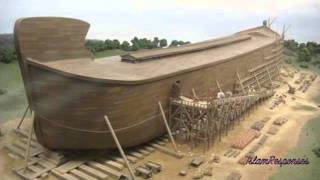 Prophet Noah - Elegance and Alliance
 Prophet Abraham - IslamicCinema
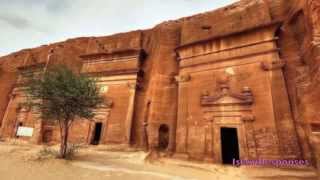 Story of Prophet Shelakh - The people of Thamud
 Prophet Job - The Bible (Full Movie)
 Story of Prophet Job
 Jesus A Prophet of Allah - Khalid Yasin
 Lessons from the Life of Prophet Moses - Shabir Ally
 Muhammad: A Prophet for Our Time - Karen Armstrong
 Jesus: A Prophet of Islam - Siraj Wahhaj
 Prophet Adam [The First Human]
 Noah [Longest Serving Prophet]
 Was Muhammad a true Prophet? - Abdelrahman Murphy
 The Trials of Prophet Abraham
 My turning point was when I discovered the Kabah was built by Prophet Abraham
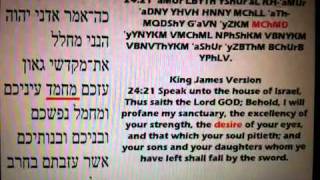 Prophet Muhammad in the Bible
 Jesus, Son of God or Prophet of Islam? - Shabir Ally vs David Wood
 Prayers of Prophet Moses | illustrated | Nouman Ali Khan
 Is Jesus a Prophet or God? - Sam Shamoun vs Anjem Choudary
 If Mohammad was the last Prophet, why will Jesus return? - Abdur-Raheem Green
 Story of Prophet Jonah - Iqra Cartoon
 Story of Prophet Job - Iqra Cartoon
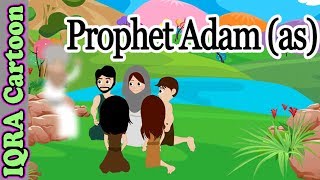 Story of Prophet Adam - Iqra Cartoon
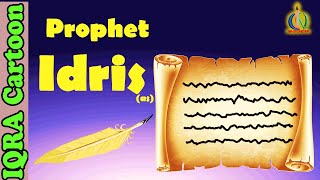 Story of Prophet Enoch - Iqra Cartoon
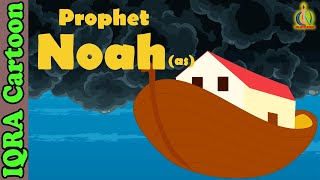 Story of Prophet Noah - Iqra Cartoon
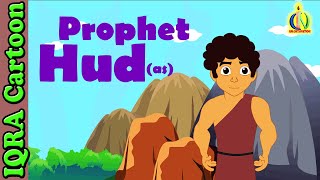 Story of Prophet Hud - Iqra Cartoon
 Story of Prophet Salih - Iqra Cartoon
 Story of Prophet Abraham - Iqra Cartoon
 Story of Prophet Ishmael - Iqra Cartoon
 Story of Prophet Isaac - Iqra Cartoon
 Story of Prophet Jacob - Iqra Cartoon
 Story of Prophet Lot - Iqra Cartoon
 Story of Prophet Jethro - Iqra Cartoon
 Story of Prophet Joseph - Iqra Cartoon
 Prophet Muhammad in the Tanakh - Zakir Hussain
 Who is the Prophet of Deuteronomy 18:18? - Hamza Myatt
 Prophet Jesus in Islam explained to a German tourist - Mohammed Hijab
 Jesus: Prophet or God? - Shadid Lewis vs Donald Wolan
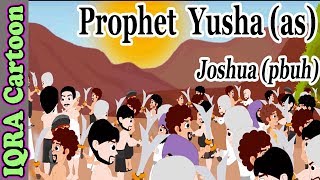 Story of Prophet Joshua - Iqra Cartoon
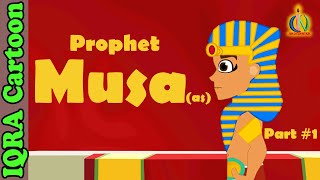 Story of Prophet Moses - Iqra Cartoon 1/2
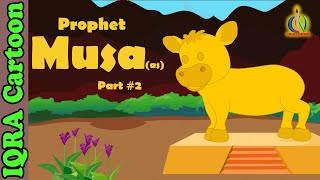 Story of Prophet Moses - Iqra Cartoon 2/2
 Prophet Moses prays for Success - Nouman Ali Khan
 Is David and Muhammad a Prophet in the Bible? - Adnan Rashid vs Godwin
 Muhammad: Fake or True
 Evidence Muhammad is a Prophet of God - Laurence Brown 1/5
 Evidence Muhammad is a Prophet of God - Laurence Brown 2/5
 Evidence Muhammad is a Prophet of God - Laurence Brown 3/5
 Evidence Muhammad is a Prophet of God - Laurence Brown 4/5
 Evidence Muhammad is a Prophet of God - Laurence Brown 5/5
 Did Haile Selassie claim to be a Prophet? - Shamsi vs Rastafarian
 Quran tells me Jesus was a Prophet - Abdul Hamid vs Godwin
 Pray like Prophet Adam - Omar Suleiman
 Prophet Lot - Prophet Stories from Quran
 In John 14:16, Jesus said no Prophet would come after him - Sadat Anwar vs Christian Man
 After Jesus, the Early Christians followed James. They Hated Apostle Paul the Liar, Heretic and False Prophet - Peleh Ben Avraham
 You believe Man landed on the Moon. I believe Muhammad is a Prophet. What's your Empirical Evidence? - Hamza Myatt vs Sebastian 1/2
 You believe Man landed on the Moon. I believe Muhammad is a Prophet. What's your Empirical Evidence? - Hamza Myatt vs Sebastian 2/2
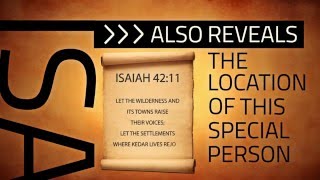 Prophet Muhammad in Isaiah 42
 It suited Muhammad to make himself the last Prophet, as it shut down future debate - Hamza Myatt vs Agnostic Robb
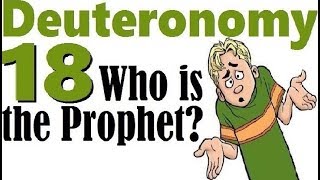 In Deuteronomy 18:18, the prophet to come was Joshua (Judaism), Jesus (Christianity) or Muhammad (Islam) - Michael Skobac
 Prophet Zachariah: Prophecy, Past, Present & Future - Beyond Today
 Prophet Daniel: The Great Themes - Beyond Today
 Prophet Obadiah: God's Message to Edom - Beyond Today
 Prophet Habakkuk: The Prophet Who Saw History - Beyond Today
 Prophet Nahum: God's Message to Today's Nations - Beyond Today
 Prophet Zephaniah: Hidden of the Lord - Beyond Today
 Prophet Malachi:
 Prophet Micah: Who is Like the LORD? - Beyond Today
 Prophet Jonah: God's Grace Extends to All Nations - Beyond Today
 Prophet Hosea - Beyond Today
 Prophet Hosea: A Tragic but Hopeful Love Story - Beyond Today
 Prophet Amos: A Message for Our Time - Beyond Today
 Prophet Amos: Ancient Message for a Modern World - Beyond Today
 Prophet Haggai: Straight Talk to the Church of God - Beyond Today
 Prophet Joel: A Call to Action - Beyond Today
 Story of Prophet Jesus - Iqra Cartoon
 In Luke 13:33, no Prophet will die outside Jerusalem. Yet, Jesus did? - Zakir Hussain vs James White
 Isaiah 53 is about Prophet Israel, not Jesus - Peleh Ben Avraham
 Lessons from Prophet Daniel: Take the Dare
 Ezekiel The Prophet - Christadelphian
 Story of Prophet Abraham - Muiz Bukhary
 In Deuteronomy 18:18, a 'Prophet like Moses' was Joshua, not Jesus or Muhammad - Peleh Ben Avraham
 Prophet Joshua in Jericho, Mount of Temptation - HolyLandSite
 Prophet Adam - IslamicCinema
 Prophet Seth - IslamicCinema
 Prophet Enoch - IslamicCinema
 Prophet Noah - IslamicCinema
 Prophet Eber - IslamicCinema
 Prophet Shelakh (Prophet Saleh) - IslamicCinema
 Prophet Lot - IslamicCinema
 Prophet Ishmael - IslamicCinema
 Prophet Isaac - IslamicCinema
 Prophet Job - IslamicCinema
 Prophet Jonah [Eaten By The Whale] - IslamicCinema
 Prophet Jethro - IslamicCinema
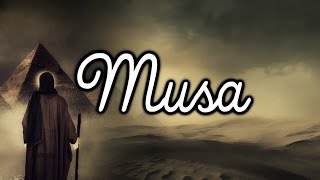 Prophet Moses and Pharaoh - IslamicCinema
 Prophet Moses and Children of Israel - IslamicCinema
 Prophet Joshua and Prophet Ezekiel - IslamicCinema
 Jesus was a Jewish prophet who preached the Kingdom of God - Bart Ehrman
 In John, Jesus is a God-like diety from Heaven. In earlier Gospels, Jesus is more of a man-prophet - Bart Ehrman
 Jesus, a Jewish prophet who worshiped the Jewish God. Paul created and spread Christianity - Bart Ehrman
 Luke's Gospel depicts Jesus as a prophet with a universal message, rejected by his people - Bart Ehrman
 Jesus stories are plagarized versions of Moses', the Old Testament prophet - Richard Carrier
 Was Imam Ali of higher status than Prophet Abraham? - Shamsi vs Shia MoDeen
 NT Gospels ordered so baby Jesus the Jewish Prophet, grows fully into God - Ken Humphreys
 Muhammad met 5-points qualifying as a Prophet. What's the criteria for prophethood in the Bible? - Shamsi vs Paperboy 1/2
 Muhammad met 5-points qualifying as a Prophet. What's the criteria for prophethood in the Bible? - Shamsi vs Paperboy 2/2
 Who made Guru Nanak a Prophet of God? - Shamsi vs Sikh
 Pope Francis is a Catholic Prophet. Was he a Bouncer who beat up people? - Chacha Usman vs Christian
 Prophet Job's Amazing Patience - AbdulRahman Hassan
 Life of Prophet Muhammad - Yusuf Islam
 The Call of Prophet Abraham - Shady Al-Suleiman
 In Luke 24:19, Jesus of Nazareth is called a man who was a 'Jewish Prophet' - Muhammad Lamin
 In Deuteronomy 13:2, Jews have the criteria to reject Jesus and Christianity, as a false prophet - Julius Ciss
 Prophet Solomon and the Army of Ants - Mufti Menk
 Is Muhammad a true Prophet of God? - Shabir Ally
 Prophet Solomon's Prayer - Nouman Ali Khan
 Prophet Eber & Nation of Aad
 Jewish Tanakh has Muhammad as a Prophet of Arabia, so follow it - Adnan Rashid vs Rabbi
 Islam raises all Prophets to Jesus' status AND lowers the Christian Jesus-God to Jewish-Prophet status - John Fontain
 The Story of Prophet Joseph - Shady Al-Suleiman 5/5
 The Story of Prophet Joseph - Shady Al-Suleiman 4/5
 The Story of Prophet Joseph - Shady Al-Suleiman 3/5
 The Story of Prophet Joseph - Shady Al-Suleiman 2/5
 The Story of Prophet Joseph - Shady Al-Suleiman 1/5
 The Story of Prophet Abraham - Shady Al-Suleiman 4/4
 The Story of Prophet Abraham - Shady Al-Suleiman 3/4
 The Story of Prophet Abraham - Shady Al-Suleiman 2/4
 The Story of Prophet Abraham - Shady Al-Suleiman 1/4
 The Story of Prophet Shelakh - Shady Al-Suleiman
 The Story of Prophet Moses - Shady Al-Suleiman 1/
 Angel Gabrial: A
 Elijah the Gentile Prophet (not Jewish)
 Moses, an Arabic-speaking prophet travelled from Sudan to Yemen - ThereIsNoClash
 Muhammad: A Prophet of War? - Juan Cole (Emir-Stein)
 Prophet Moses: A Story of Redemption - Nouman Ali Khan
 Adam, the First Human and First Prophet
 Prophet Enoch
 Prophet Noah: The First
 Thamud: The People of Prophet Saleh
 Prophet Abraham & his Sons, Ishmael and Isaac
 Prophet Lot
 Prophet Jacob & his Son, Joseph
 Madyan: The People of Prophet Jethro
 Prophet Job: The Man of Patience
 Prophet Ezekiel
 Speciality of Prophet Moses
 Prophet Moses & Israelites: After Crossing The Red Sea 2/2
 Prophet Moses & Al-Khidr: Story from the Quran
 Prophet Joshua & Ezekiel
 Prophet David & Saul
 Prophet Solomon and his Mighty Kingdom 1/2
 Prophet Solomon: Angels Haurvatat and Ameretat 2/2
 Prophet Elijah & Elisha
 Prophet Ezra
 Prophet Jonah
 Who is Muhammad,
 Proof of Muhammad as the Final Prophet - Shabir Ally
 Buddha a Prophet? - Shabir Ally
 Prophet Muhammad in the Bible
 How was Prophet Adam created? - Mufti Menk
 Muhammad, a prophet for Muslims, but Torah cannot be challanged - Shamsi vs Orthodox Jews
 Was Buddha a Muslim Prophet of God? - Hussain Yee (DeenShowTV)
 Proof Muhammad was a true Prophet - Mohammad Elshinawy
 Muhammad The Prophet (571-632 AD) - Al-Muqaddimah
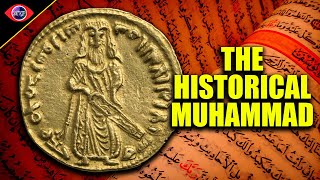 Muhammad & The Empires of Faith: The Making of The Prophet of Islam | Sean Anthony | MythVision
 Elijah the Prophet of Fire | Bible In Nutshell
 Zoroaster, the first Monotheist Prophet from 1500 BC | Stephans History
 Life of Prophet Muhammad - A.I Movie Seerah Series | Towards Eternity
 The Prophet's admirable approach to Conflict | Joel Hayward
 Moses, the Model Prophet | Shabir Ally
 The Jewish Messiah (FALSE PROPHET) is Coming in 2026 | Sling-Stone
 Elijah - The Prophet Who Never Experienced Death | Movie (2026) | Unraveling Scriptures
 Elijah the Prophet | The Bible (2026) | Bible In Nutshell
 Israel seize land around Prophet Samuel's historic mosque, Jerusalem | TRT World
 Malachi, the Last Prophet before Silence | Unraveling Scriptures
 Palestinians rally to protect Prophet Solomon pools from illegal settlers | TRT World
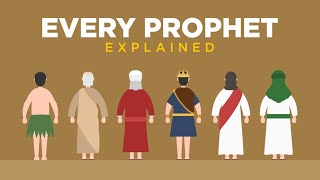 Every Abrahamic Prophet Explained | Nerd Robot
 Why is Jesus a Prophet in Islam? | Religion Camp
 Was Samuel just a Prophet? | Christian Seed
 Who was Samuel in the Prophet? | See Bible
 Did Jesus Teach He is God or Prophet? | Debate: CL Edwards vs Anthony Rogers
 Zechariah - The Minor Prophet who shocked the World | Beyond The Verses
 Zechariah - The Prophet of Hope and Restoration | Heavenly Tales
 Elisha - A Prophet who performed great miracles
 Elisha - The Prophet who shocked us with his miracles
 Micaiah - The Prophet who destroyed King Ahab | Christian Seed
 Elisha - The Prophet who fooled an Army
 Elisha - How God defended His Prophet with Bears | Red Lamb Stories
 Isaiah - The Prophet Who Saw God | Epic Bible Animation
 Deborah, Barak & Jael | The Fearless Female Prophet Who Saved an Entire Nation | PixArk Studios
 Jonah and The Whale - The Prophet Who Defied God | PixArk Studios
 Hosea - The Prophet Who Married a Prostitute | Epic Bible Animation
 Balaam: The Prophet and the Talking Donkey | Epic Bible Animation
 Daniel - The Prophet Thrown to the Lions (Movie 2026) | Deen Stories TV
 Conflicting Prophet Stories in Bible and Quran | Shari Lowin | Gabriel Reynolds
 Zoroaster MIGHT Be a Prophet of God | Shabir Ally
 Prophet Ezra | Shady Al-Suleiman
Photo Album on Messenger, Prophet (14)
News on Messenger, Prophet (9)
Articles on Messenger, Prophet (4)
Deuteronomy 18:18, 'A Prophet Like Moses': Jesus or Muhammad

34,456 views
|
30 New Testament Bible Verses Prove Jesus Was a Prophet

24,636 views
|
Jesus the Jewish Prophet: New Testament Evidence

22,696 views
|
Timeline of Prophet Muhammad: 67 Key Events (570-632 AD)

21,045 views
|