SAUDI ARABIA
With a land area of approximately 2,150,000 km2 (830,000 sq mi), Saudi Arabia is geographically the largest sovereign state in the Middle East, the 2nd largest in the Arab world (after Algeria), the 5th largest in Asia, and the 12th largest in the world. Saudi Arabia is bordered by Jordan and Iraq to the north, Kuwait to the northeast, Qatar, Bahrain, and the United Arab Emirates to the east, Oman to the southeast and Yemen to the south; most of its terrain consists of arid desert, lowland and mountains. As of October 2018, the Saudi economy was the largest in the Middle East and the 18th largest in the world. Saudi Arabia also enjoys one of the world's youngest populations; 50% of its 33.4 million people are under 25 years old.
Search Result on 'Saudi Arabia' (184 total)
News on Saudi Arabia (71)
Youtube Videos on Saudi Arabia (65)
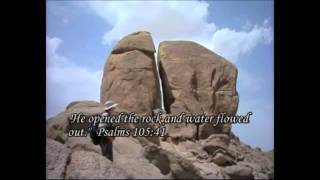 The Search for Mount Sinai leads to Jabal Al-Lawz in
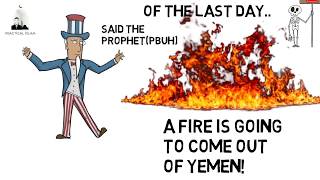 Muhammad told us the Major Signs of the Last Day will be in Syria, Yemen and
 In Exodus 2:15, Moses went to Kabah and Midian (

 Mountain of Moses: Mount Sinai in
 Ryan Mauro Interview: Mountain of Moses: Mount Sinai in
 Overwhelming evidence Moses crossed the Red Sea into
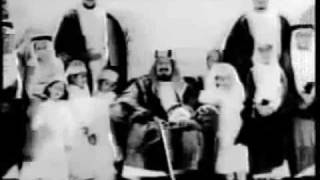 In 1933,
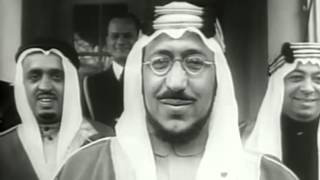 History of
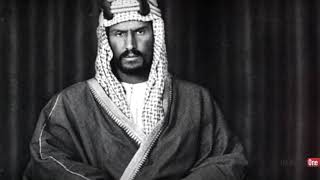 In 1916, British influence led to creation of
 1000 Muslim Scholars (Ulama) tortured & imprisoned in
 Does
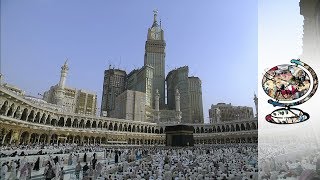
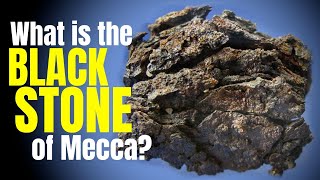 The Black Stone of Mecca,
 Joe Biden sorry for saying US Allies (
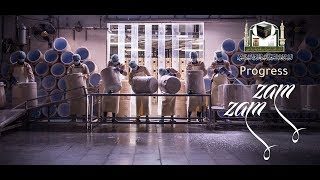 Zamzam,
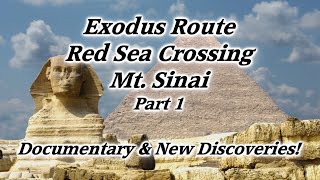 Moses and Red Sea exodus route to Mount Sinai in
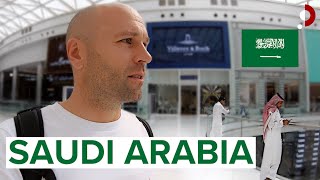 Life in
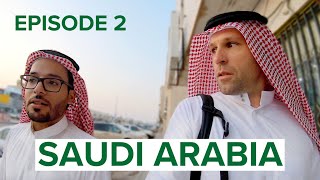 Life in
 Life in
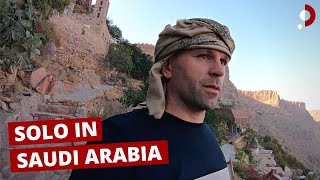 Life in
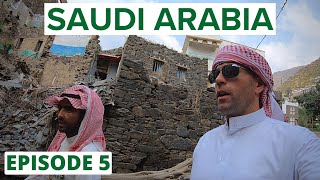 Life in
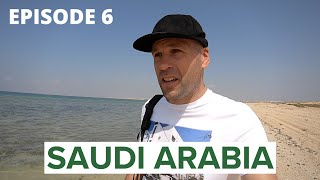 Life in
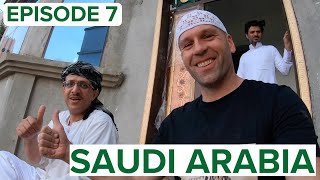 Life in
 Life in
 Life in
 Life in
 Life in
 Travel Advice for

 Madkhali-Wahhabi Politics - Attack Palestine. Protect
 WW3 - NATO,
 Why was Archaeology forbidden in
 How
 Inside
 Inside
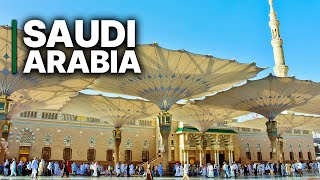 Life In
 Greater Israel Zionist project supported by Arab Leaders and Armies of Egypt,
 Egypt, Jordan, UAE,
 The Evil of Madkhali Islam in
 UAE and
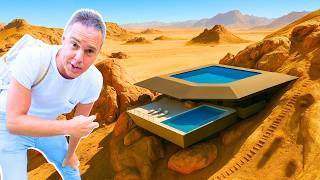 Tour of a Villa deep inside
 Did

 The Hidden Costs of Hajj,
 Israel kills News Journalists; Kuwait, UAE, Bahrain and
 Sunni vs Shia vs Zionism (
 Why
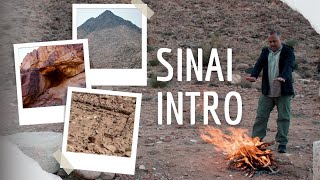 Mount Sinai in
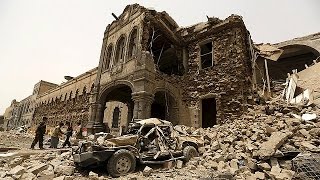 UNESCO condemns
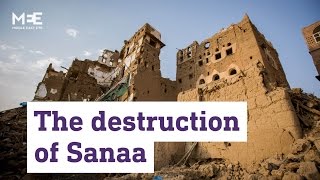 YEMEN'S WAR - '
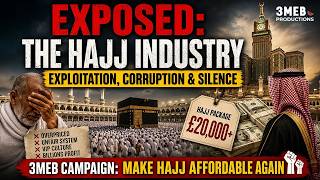
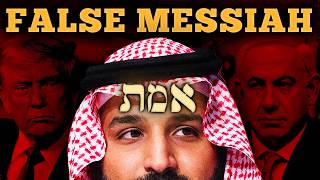 Origins of Wahhabi and
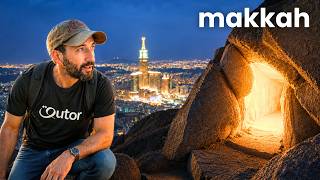 Inside Muhammad's Hira Cave, Makkah -
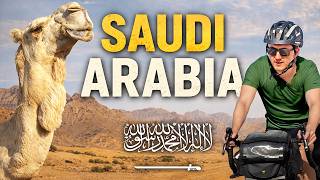 Cycling into
 How Israel and
Photos on Saudi Arabia (26)


Photo Album on Saudi Arabia (14)
FAQ on Saudi Arabia (7)
1.Who built the Kabah in Saudi Arabia?
Prophet Abraham built the Kaaba for people to worship God. While pagan Arabs admitted this fact and even kept the stone where he used to stand to build the Kaaba (Abraham's station), they brought idols to the Kaaba and worshiped them to get closer to Abraham's Lord, Allah, God of gods. Prophet Muhammad came with the monotheistic message of Islam. Arabs defended these idols and refused to give up the religion of their fathers and grandfathers.
2.What is Prophet Abraham's connection to the Kabah in Mecca, Saudi Arabia?
Along with his eldest son, Ishmael, Prophet Abraham rebuilt the foundations of the Kaaba in Mecca, establishing it as the world's first house dedicated purely to the worship of God. Key rituals of the Islamic Hajj pilgrimage such as walking between the hills of Safa and Marwa and the symbolic stoning of the devil directly commemorate the actions of Abraham and his family.
3.Where is Prophet Adam believed to have landed on Earth and been buried?
According to classical traditions, Adam made his initial earthly landfall at Peak Adam (Sri Pada) in modern-day Sri Lanka or in the Arabian Peninsula. Traditional burial locations associated with Adam include the Mount Abu Qubays in Mecca, Saudi Arabia, or the Cave of Machpelah (Hebron).
4.How long did Prophet Ishmael live, and where is he buried?
Ishmael was born around 1727 BC and lived to be 137 years old. He passed away around 1590 BC and is traditionally buried near the Kabah (within the Hijr Ismail area) in Mecca, Saudi Arabia.
5.Who was Prophet Jethro in religious and historical tradition?
Jethro (known as Shoaib in Islam and Reuel in early biblical passages) was a wise prophet, elder, and priest of Midian (located near modern-day northwest Saudi Arabia and Jordan). He was the father-in-law of Moses, offering him refuge and guidance after Moses fled Egypt.
6.Where was the ancient region of Midian located?
The region settled by Midian and his descendants was located east of the Gulf of Aqaba, spanning present-day northwest Saudi Arabia, southern Jordan, and parts of the Sinai Peninsula. Its position along major ancient trade routes made it a major commercial hub.
7.What is the Kaaba and why do Muslims pray toward it?
The Kaaba is the black, cube-shaped stone structure located at the center of Islam's most sacred mosque, Masjid al-Haram, in Mecca, Saudi Arabia. Muslims do not worship the Kaaba itself; rather, it serves as the Qibla (direction of prayer). It acts as a physical anchor for global unity, ensuring that over two billion Muslims around the world face a single focal point during daily worship. According to Islam, it was originally built by the Prophet Abraham and his son Ishmael as the first house of monotheistic worship on Earth.