733 views
·
Last viewed: 2 days ago
Uploaded: 18 Apr 2016 (10 years ago) · Shared: 05 Dec 2016
Duration: 39:53
Uploaded: 18 Apr 2016 (10 years ago) · Shared: 05 Dec 2016
Duration: 39:53
Youtube Description
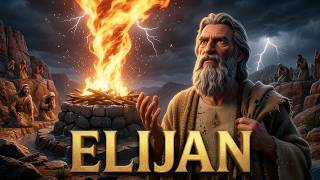
Responding to a caller, Rabbi Tovia Singer demonstrates how early Christian apologists and scribes methodically altered selected passages from theJewish Scriptures. Singer illustrates on air how this rewriting of Tanach was not done haphazardly. Rather, the Church quite deliberately tampered with the words of the Jewish Scriptures in order to bolster their most startling claim: The Old Testament clearly foretold that Jesus was the promised Jewish Messiah. With this goal in mind, missionaries misquoted and mistranslated verses in Tanach in order to make the Hebrew Scriptures fit the life of Jesus. https://outreachjudaism.org/ http://www.toviasinger.tv/
Explore More
Tovia Singer Crucifixion Church Psalm Sin JESUS
JESUS
Search Google Search Explore Topics
 Who is Tovia Singer?
Tovia Singer (born 1960) is a Jewish rabbi. Singer is the founder and director of Outreach Judaism, Indonesia.
 What is Crucifixion?
Crucifixion is a method of capital punishment in which the victim is tied or nailed to a large wooden beam. The victim is left to hang for several days until eventual death from exhaustion and asphyxiation. The crucifixion of Jesus is a central narrative in Christianity, and the cross (sometimes depicting Jesus nailed onto it) is the main religious symbol for many Christian churches. The English term cross derives from the Latin word crux. The Latin term crux classically referred to a tree or any construction of wood used to hang criminals as a form of execution. The term later came to refer specifically to a cross.
 What is the Church?
A church is a building used for Christian worship services and Christian activities. The earliest identified Christian church is a house church founded between 233 AD and 256 AD. The word church also describes a body or assembly of Christian believers, while "the Church" refers to the worldwide Christian religious community.
 What is Psalm?
The Book of Psalms ("praises"), commonly referred to simply as Psalms or "the Psalms". This is the first book of the Ketuvim ("Writings"), the third section of the Hebrew Bible, and thus a book of the Christian Old Testament. The title is derived from the Greek translation, psalmoi, meaning "instrumental music" and, by extension, "the words accompanying the music". The book is an anthology of individual psalms, with 150 in the Jewish and Western Christian tradition and more in the Eastern Christian churches. Many are linked to the name of David, but his authorship is not accepted by modern scholars.
 What is Sin?
In Abrahamic contexts, sin is the act of violating God's will. Sin can also be viewed as anything that violates the ideal relationship between an individual and God; or as any diversion from the ideal order for human living. To sin has been defined as "to miss the mark". Sins fall in a spectrum from minor errors to deadly misdeeds. Catholicism regards the least corrupt sins as venial sins which are part of human living and carry immediate consequences on earth, and, if unrepented for, more painful purgation, assuming the person is destined to heaven, as it is written in the formation letter "Purgatory", "most of the early Fathers of the Church speak of a cleansing fire, though we cannot tell whether this means actual or spiritual fire." Conversely, sins of great evil are mortal sins which bring the consequence of hell if they are not addressed either through an act of perfect contrition or going to confession about them.