Live Screenshot
Source link:
https://www.huffingtonpost.co.uk/entry/face-masks-2021-covid-19_l_5f64be3ec5b6de79b673cabcPublished by: HUFFINGTON on 21 Sep 2020
2551 views · Last view: 11 hrs ago
News Text (from HUFFINGTON)
Robert Redfield, director of the Centers for Disease Control and Prevention, confirmed what the science has been telling us all along about the effectiveness of face masks — that they’re currently our best bet at getting a handle on the coronavirus pandemic. They make such a difference, in factthat some experts suspect they’ll be just as reliable ― if not more ― as a vaccine when it comes to blunting the spread of COVID-19.
“These face masks are the most important, powerful public health tool we have, and I will continue to appeal for all Americans, all individuals in our country, to embrace these face coverings,” Redfield said during a recent Senate hearing.
Redfield went onto to say that masks may offer more of a guarantee than a vaccine. President Donald Trump later shut down the comments, but the medical community stood behind Redfield.
Because the vaccines are still in clinical trials, it’s currently unclear how effective they’ll be. It’s thought they [...]
Explore More
Coronavirus Huffington Face Mask VaccineSearch Google Search Explore Topics
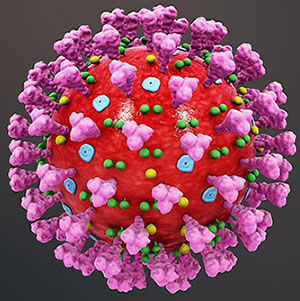 What is Coronavirus?
Coronaviruses are a group of viruses that cause diseases in mammals and birds. In humans, coronaviruses cause respiratory tract infections that are typically mild, such as the common cold, though rarer forms such as SARS, MERS, and COVID-19 can be lethal. Symptoms vary in other species: in chickens, they cause an upper respiratory tract disease, while in cows and pigs they cause diarrhea. There are yet to be vaccines or antiviral drugs to prevent or treat human coronavirus infections.
 Who are Huffington?
HuffPost (originally launched as The Huffington Post in 2005) is an American digital news outlet and blog known for its progressive commentary, political reporting, and lifestyle content.
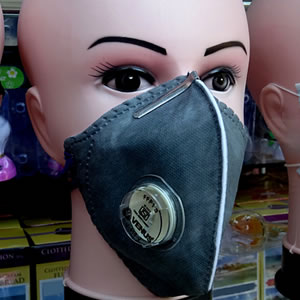 What is Face Mask?
A face mask or respirator is a device designed to protect the wearer from inhaling hazardous atmospheres. These include fumes, vapours, gases and particulate matter such as dusts and airborne microorganisms. There are two main categories: the air-purifying respirator, in which respirable air is obtained by filtering a contaminated atmosphere, and the air-supplied respirator, in which an alternate supply of breathable air is delivered. Within each category, different techniques are employed to reduce or eliminate noxious airborne contaminants. Air-purifying respirators range from relatively inexpensive single-use, disposable face masks sometimes referred to as a dust mask to more robust reusable models with replaceable cartridges often called a gas mask.
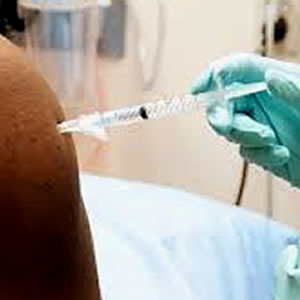 What is Vaccine?
A vaccine is a biological preparation that provides active acquired immunity to a particular infectious disease. A vaccine typically contains an agent that resembles a disease-causing microorganism and is often made from weakened or killed forms of the microbe, its toxins, or one of its surface proteins. The agent stimulates the body's immune system to recognize the agent as a threat, destroy it, and to further recognize and destroy any of the microorganisms associated with that agent that it may encounter in the future. The administration of vaccines is called vaccination. Vaccination is the most effective method of preventing infectious diseases; widespread immunity due to vaccination is largely responsible for the worldwide eradication of smallpox and the restriction of diseases such as polio, measles, and tetanus from much of the world.