Elisha came to Damascus; and Benhadad the king of Syria was sick. He was told, “The man of God has come here.”
The king said to Hazael, “Take a present in your hand, and go, meet the man of God, and inquire of Yahweh by him, saying, ‘Will I recover from this sickness?’”
So Hazael went to meet him, and took a present with him, even of every good thing of Damascus, forty camels’ burden, and came and stood before him, and said, “Your son Benhadad king of Syria has sent me to you, saying, ‘Will I recover from this sickness?’”
Elisha said to him, “Go, tell him, ‘You will surely recover;’ however Yahweh has shown me that he will surely die.”
He settled his gaze steadfastly on him, until he was ashamed. Then the man of God wept.
Hazael said, “Why do you weep, my lord?”
He answered, “Because I know the evil that you will do to the children of Israel. You will set their strongholds on fire, and you will kill their young men with the sword, and will dash their little ones in pieces, and rip up their pregnant women.”
Hazael said, “But what is your servant, who is but a dog, that he could do this great thing?”
Elisha answered, “Yahweh has shown me that you will be king over Syria.”
Then he departed from Elisha, and came to his master, who said to him, “What did Elisha say to you?”
He answered, “He told me that you would surely recover.”
On the next day, he took a thick cloth, dipped it in water, and spread it on his face, so that he died. Then Hazael reigned in his place.
2 KINGS 8:7-15
Elisha foretells Hazael's rise and the assassination of Ben-hadad
Watch the chilling political shifts in Syria as Elisha foretells the rise of Hazael, who assassinates King Ben-hadad.
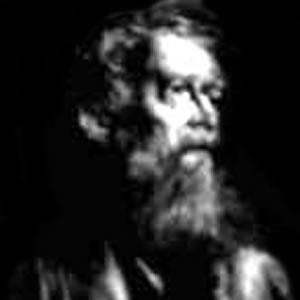 ELISHA
979 views · Last view: 12 hrs ago
Watch the chilling political shifts in Syria as Elisha foretells the rise of Hazael, who assassinates King Ben-hadad.
ELISHA
979 views · Last view: 12 hrs ago
Explore More
Sin
ELISHA
Search Google Search Explore Topics
 What is Sin?
In Abrahamic contexts, sin is the act of violating God's will. Sin can also be viewed as anything that violates the ideal relationship between an individual and God; or as any diversion from the ideal order for human living. To sin has been defined as "to miss the mark". Sins fall in a spectrum from minor errors to deadly misdeeds. Catholicism regards the least corrupt sins as venial sins which are part of human living and carry immediate consequences on earth, and, if unrepented for, more painful purgation, assuming the person is destined to heaven, as it is written in the formation letter "Purgatory", "most of the early Fathers of the Church speak of a cleansing fire, though we cannot tell whether this means actual or spiritual fire." Conversely, sins of great evil are mortal sins which bring the consequence of hell if they are not addressed either through an act of perfect contrition or going to confession about them.