413 views
·
Last viewed: 4 mins ago
Uploaded: 12 Aug 2017 (9 years ago) · Shared: 14 May 2018
Duration: 45:34 ·
Uploaded: 12 Aug 2017 (9 years ago) · Shared: 14 May 2018
Duration: 45:34 ·
Youtube Description
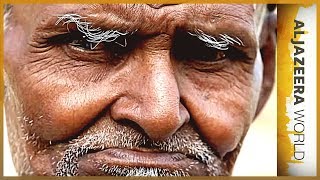
The Rohingya: Silent Abuse Myanmar, formerly known as Burma, has a population of around 51 million people. The Burman ethnic group constitutes aroundtwo-thirds of this figure and controls the military and the government. But there are also more than 135 ethnic groups in the country, each with their own culture.
Many of them have become internally displaced by government moves to exploit land, provoking long-standing friction.
In fact, the conflict between Myanmar's ethnic minorities and the ruling Burmese majority represent one of the world's longest ongoing conflicts.
One group, the Muslim Rohingya, are not recognised as an ethnic nationality of Myanmar, so they suffer from arguably the worst discrimination and human rights abuses of all. The Rohingya population is somewhere between one and two million and they are living mainly in Rakhine State in the north of the country.
In this film, Al Jazeera Arabic correspondent Salam Hindawi goes to Myanmar to investigate the situation surrounding the Rohingya.
Myanmar has been tightly controlled for decades and Hindawi has enormous difficulties gaining access to certain areas of the country that the government simply doesn't want anyone from outside to see.
More from Al Jazeera World on:
YouTube - http://aje.io/aljazeeraworldYT
Facebook - https://www.facebook.com/AlJazeeraWorld
Twitter - https://twitter.com/AlJazeera_World
Visit our website - http://www.aljazeera.com/aljazeeraworld
Subscribe to AJE on YouTube - http://aje.io/YTsubscribe
Explore More
TOPIC Rohingya Muslim IslamSearch Google Search Explore Topics
 What is Rohingya?
The Rohingya people are a stateless Indo-Aryan-speaking people who reside in Rakhine State, Myanmar (also known as Burma). There were an estimated about 1 million Rohingya living in Myanmar before the
2016-17 crisis. On 22 October 2017, the UN reported that an estimated 603,000 refugees from Rakhine, Myanmar, had crossed the border into Bangladesh since August 25, 2017. This number increased to 624,000 by November 2, 2017, and over 625,000 by December 6, 2017. The majority are Muslim while a minority are Hindu.
 What is Muslim?
One of the major religions of the world, Islam literally translates to "submission," as a follower of Islam (Muslims) devotes their life to that of their God. The religion began with the teachings of
Muhammad in the 7th century. The theology of Islam is based on the Qur'an, which was given to Muhammad by God. Some of the major fundamental principles of Islam include the Five Pillars, which hope to unite all Muslims into a community. Two different factions of Muslims exist - the majority are known as Sunni, with a small percentage known as Shi'a - both predominantly reside throughout the Middle East.<br><br>
<i class="fa fa-calendar"></i> Muhammad died in 632 AD and the religion of Islam formally started after his death. The Quran was formally compiled and finalised in 650 AD, prior to which it was 'memorised' and written across many parchments.
What is Islam?One of the major religions of the world, Islam literally translates to "submission," as a follower of Islam (Muslims) devotes their life to that of their God. The religion began with the teachings of
Muhammad in the 7th century. The theology of Islam is based on the Qur'an, which was given to Muhammad by God. Some of the major fundamental principles of Islam include the Five Pillars, which hope to unite all Muslims into a community. Two different factions of Muslims exist - the majority are known as Sunni, with a small percentage known as Shi'a - both predominantly reside throughout the Middle East.<br><br>
<i class="fa fa-calendar"></i> Muhammad died in 632 AD and the religion of Islam formally started after his death. The Quran was formally compiled and finalised in 650 AD, prior to which it was 'memorised' and written across many parchments.

 12:06

 5:48
805 views · 3 mins ago

 2:52
270 views · 4 mins ago
 13:17
307 views · 4 mins ago