CATHOLIC
The Catholic Church, also known as the Roman Catholic Church.
This is the largest Christian church, with approximately 1.3 billion baptised Catholics worldwide, as of 2016. As one of the oldest religious institutions in the world, it has played a prominent role in the history and development of Western civilisation. The church is headed by the Bishop of Rome, known as the Pope. Its central administration, the Holy See, is in the Vatican City, an enclave within Rome, Italy. Catholic theology is based on the Nicene Creed.
 Was Jesus A
  A
A  Why do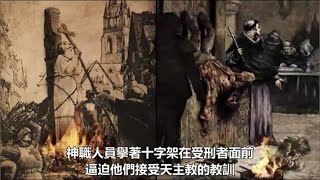
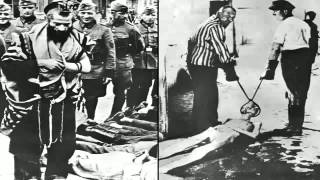
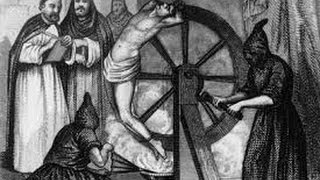 Spanish Inquisition - How the
  The Roman
 Clarifying
  Crusades: Roman
  Ricardo, a
  The
The  We agree. Everything comes back to Scripture - Muhammad Tawheed & Abdul Hamid vs
  Secret Societies - History of the Roman
  In Matthew 28:19, the Trinity text was a later insertion and corruption, after 200 AD, by the
  In John 20:17, Jesus said I am going to my Father and your Father. Whose Father? - Mansur Ahmad vs
 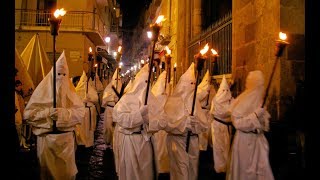 Inside The Vatican: The
 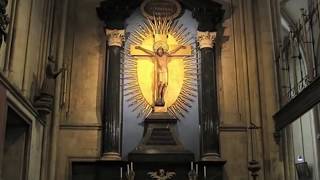 New Testament Bible compiled to agree with
  Fullness of truth is in the
  In 1492 AD, Muslims protected Jews from
 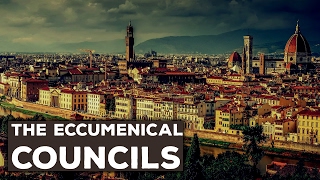 21 Ecumenical Church Councils defined
  It's Time to Quit the
  Pope Francis is a
 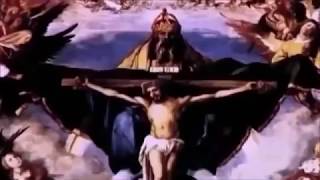 History of The Roman
  Greek Apostate Fathers: Clement, Ignatius, Justin Martyr, Shepherd of Hermas & Polycarp founded the
  From Proverbs 8:22, Philo of Alexandria applied a 'feminine' Wisdom (Sophia) in support of Roman
 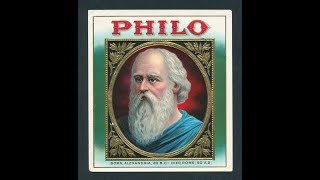 Philo of Alexandria mixed Greek philosophy with Jewish-Christianity to invent
  I believe in Muhammad. Am I still a
  The
The 
 Ignatius' Letter to Smyrnaeans (110 AD) is earliest mention of '
 Why is
  Muhammad's wife, Aisha was aged between 6-15 years based on Historic Events - Uthman Ibn Farooq vs
 NWO and Vatican
  Protestant Christians rely on Roman
  Israeli Zionists demand Christians and
  Israel blocks
 Is The Pope OK with