702 views
·
Last viewed: 1 week ago
Uploaded: 11 Dec 2020 (6 years ago) · Shared: 11 Jan 2021
Duration: 20:52
Uploaded: 11 Dec 2020 (6 years ago) · Shared: 11 Jan 2021
Duration: 20:52
Youtube Description
Ivermectin https://bnf.nice.org.uk/drug/ivermectin.html#indicationsAndDoses Invitro antiviral activity Against a broad range of viruses HIVdengue, influenza, Zika virus
Invitro antiviral, SARS-CoV-2 activity
99.8% reduction in viral RNA after 48 h
Worldwide use for treating COVID-19
About 3.7 billion doses of ivermectin have been distributed globally over the past 30 years
EVMS CRITICAL CARE COVID-19 MANAGEMENT PROTOCOL
https://www.evms.edu/media/evms_public/departments/internal_medicine/EVMS_Critical_Care_COVID-19_Protocol.pdf
Preexposure prophylaxis in high-risk patients
Postexposure prophylaxis
Symptomatic patients at home
Mildly symptomatic patients in hospital
Progressive Respiratory symptoms
Ivermectin has emerged as the “wonder drug” to prophylaxis and treat COVID-19
Ivermectin inhibits viral replication and has potent anti-inflammatory properties
There is the potential for serious drug-drug interaction
Additional, studies are urgently required to confirm these very impressive preliminary findings
Review of the Emerging Evidence Demonstrating the Efficacy of Ivermectin in the Prophylaxis and Treatment of COVID-19 (7th December)
https://covid19criticalcare.com/wp-content/uploads/2020/11/FLCCC-Ivermectin-in-the-prophylaxis-and-treatment-of-COVID-19.pdf
Front Line COVID-19 Critical Care Alliance (FLCCC)
One Sentence Summary
Review of recently available clinical trial results demonstrating efficacy of ivermectin in prophylaxis and treatment of COVID-19.
Use of Ivermectin Is Associated With Lower Mortality in Hospitalized Patients With Coronavirus Disease 2019
The ICON Study (October 2020, South Florida)
https://www.ncbi.nlm.nih.gov/pmc/articles/PMC7550891/
Research Question
Does ivermectin benefit hospitalized coronavirus disease 2019 (COVID-19) patients?
Study Design and Methods
Consecutive patients hospitalized
Four hospitals in Florida
Confirmed COVID-19
March 15 and May 11, 2020
Treated with or without ivermectin
Primary outcome
All-cause in-hospital mortality
Secondary outcomes, mortality in patients with severe pulmonary involvement, extubation rates for mechanically ventilated patients, length of stay
Severe pulmonary involvement
Need for Fio2 ≥ 50%, noninvasive ventilation
Invasive ventilation
Results from reviews
N = 280
Ivermectin treated = 173
Overall mortality 15%
Mortality with severe pulmonary involvement = 38.8%
Not given ivermectin = 107
Overall mortality 25% (OR, 0.52)
Mortality with severe pulmonary involvement = 80.7%
No significant differences were found in extubation rates or length of stay
Most patients in both groups also received hydroxychloroquine, azithromycin, or both
Interpretation
Ivermectin treatment was associated with lower mortality during treatment of COVID-19
Especially in patients with severe pulmonary involvement
Randomized controlled trials are needed to confirm these findings
Ivermectin news
https://www.newswise.com/coronavirus/flccc-alliance-calls-on-national-health-authorities-to-immediately-review-medical-evidence-showing-the-efficacy-of-ivermectin-for-the-prevention-of-covid-19-and-as-an-early-outpatient-treatment
Explore More
Search Google Search Explore Topics John Campbell Coronavirus Government Ivermectin Who is John Campbell?
My name is John Campbell. I am a retired Nurse, Teacher, and A&E nurse based in England. I also do some teaching in Asia and Africa when time permits. These videos are to help students to learn the background to all forms of health care. My PhD focused on the development of open learning resources for nurses nationally and internationally.
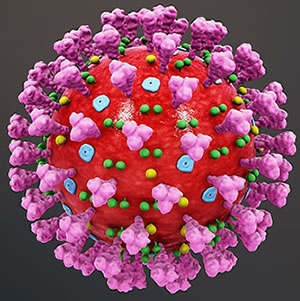 What is Coronavirus?
Coronaviruses are a group of viruses that cause diseases in mammals and birds. In humans, coronaviruses cause respiratory tract infections that are typically mild, such as the common cold, though rarer forms such as SARS, MERS, and COVID-19 can be lethal. Symptoms vary in other species: in chickens, they cause an upper respiratory tract disease, while in cows and pigs they cause diarrhea. There are yet to be vaccines or antiviral drugs to prevent or treat human coronavirus infections.
 What is Government?
A government is the system or group of people governing an organized community, generally a state. In the case of its broad associative definition, government normally consists of legislature, executive, and judiciary. Government is a means by which organizational policies are enforced, as well as a mechanism for determining policy. Each government has a kind of constitution, a statement of its governing principles and philosophy.
What is Ivermectin?Ivermectin is a medication used to treat many types of parasite infestations. In humans, this includes head lice, scabies, river blindness (onchocerciasis), strongyloidiasis, trichuriasis, ascariasis, and lymphatic filariasis. Ivermectin was discovered in 1975 and came into medical use in 1981. It is on the World Health Organization's List of Essential Medicines. Some believe Ivermectin has antiviral effects against several distinct positive-sense single-strand RNA viruses, including SARS-CoV-2. This has made it an attractive target for COVID-19 drug repurposing research.