343 views
·
Last viewed: 2 days ago
Uploaded: 31 Jul 2017 (9 years ago) · Shared: 05 Aug 2017
Duration: 16:14
Uploaded: 31 Jul 2017 (9 years ago) · Shared: 05 Aug 2017
Duration: 16:14
Youtube Description
Praise be to Allaah. Firstly: A good attitude is the characteristic of the best of the Messengers and is the best action of the righteous. It is –no doubt – half of religion, the fruit of the efforts of the pious and the practice of the devoted worshipper. Bad characteristics are lethal poison and lead to shameful consequences.
The Prophet (peace and blessings of Allaah be upon him) said: “I have only been sent to perfect good characteristics.” Narrated by al-Bukhaari in al-Adab al-Mufrad (273) and classed as saheeh by al-Albaani in al-Silsilah al-Saheehah (45).
It was narrated that Abu Hurayrah (may Allaah be pleased with him) said: The Messenger of Allaah (peace and blessings of Allaah be upon him) was asked about that which will admit most people to Paradise. He said: “Fear of Allaah and a good attitude.”
Narrated by al-Tirmidhi (2004); he said it is saheeh ghareeb. It was classed as saheeh by al-Albaani in Saheeh al-Tirmidhi.
Hence Islam paid a great deal of attention to laying down guidelines for treating diseases of the heart (i.e., spiritual diseases) and ways of acquiring good characteristics, which is regarded as one of the most important duties, because no heart will be free of sicknesses. If the heart is neglected, sicknesses will accumulate. No soul is free of inclinatons which, if they are given free rein, will lead it to doom in this world and in the Hereafter.
This kind of medicine requires profound knowledge of reasons and causes, then it needs hard work to remedy it and set things straight, in order to reach a successful outcome. Allaah says (interpretation of the meaning):
“Indeed he succeeds who purifies his ownself”
[al-Shams 91:9]
The Prophet (peace and blessings of Allaah be upon him) used to pray for a good attitude, saying, “O Allaah, You have made my outward form beautiful so make my attitude good too.” Narrated by Ibn Hibbaan in his Saheeh (3/239) and classed as saheeh by al-Albaani in Irwa’ al-Ghaleel (75).
Secondly:
If a person knows what his shortcomings are he can do something to remedy them, but many people are unaware of their faults and shortcomings. A person may see the speck in his brother’s eye and not see the log in his own. The person who wants to know what his own faults are may do four things:
1. He may sit before a Shaykh who has insight into people’s faults and knowledge of the subtlety of some problems and learn from him knowledge, good attitudes and manners.
2. He may ask a sincere friend who has insight and is religiously committed to keep watch over him and take note of his actions, so that he can draw attention to whatever he dislikes of his attitude, actions, and inward and outward faults. This is what the best and greatest imams of Islam used to do. ‘Umar (may Allaah be pleased with him) used to say: “May Allaah have mercy on a man who shows me my shortcomings.”
3. He can learn about his faults and shortcomings from the lips of his enemies, because the eye of one who is resentful will always notice bad things about you. A man may benefit more from an enemy who wants to cause trouble and mentions his faults than from a friend who wants to flatter him by praising him and concealing his faults.
4. He can mix with people. Everything that he sees as blameworthy among people, he should guard against in his own self, because the believer is the mirror of his fellow believer, and in the faults of others he can see his own faults. It was said to ‘Eesa (peace be upon him): “Who taught you?” He said: “No one taught me; I saw the ignorance of the ignorant as something bad and I avoided it.”
Source/Full Article : islamqa / 101023
Subscribe, Like, Comment & Share.
Thanks for Watching/Supporting DawahMedia.
Contact US : dawahmedi9@gmail.com
Facebook : https://www.facebook.com/DawahMediaOfficial
Explore More
Search Google Search Explore Topics Muhammad Tawheed Speakers Corner Richard London Muhammad Lamin Mohammed Hijab Subboor Ahmad Shabir Yusuf Mansur Ahmad Imran London Chacha Usman Anwar London Abbas London Hamza Saudi Hamza Myatt Abdul Hamid Sadat Anwar Ali Dawah Hashim Rizwan Shamsi GOD Who is Muhammad Tawheed? (MEMBER OF Speakers Corner)
A Speakers' Corner is an area where open-air public speaking, debate, and discussion are allowed. The original and most noted is in the north-east corner of Hyde Park in London, England. Speakers here may talk on any subject, as long as the police consider their speeches lawful, although this right is not restricted to Speakers' Corner only. Contrary to popular belief, there is no immunity from the law, nor are any subjects proscribed, but in practice the police intervene only when they receive a complaint. Speakers' Corner is often held up to demonstrate freedom of speech, as anyone can turn up unannounced and talk on almost any subject, although always at the risk of being heckled by regulars.
What is Speakers Corner? (MEMBER OF Speakers Corner)A Speakers' Corner is an area where open-air public speaking, debate, and discussion are allowed. The original and most noted is in the north-east corner of Hyde Park in London, England. Historically there were a number of other areas designated as Speakers' Corners in other parks in London (e.g., Lincoln's Inn Fields, Finsbury Park, Clapham Common, Kennington Park, and Victoria Park). More recently, they have been set up in other British cities, and there are also Speakers' Corners in other countries.
Who is Richard London? (MEMBER OF Speakers Corner)A Speakers' Corner is an area where open-air public speaking, debate, and discussion are allowed. The original and most noted is in the north-east corner of Hyde Park in London, England. Speakers here may talk on any subject, as long as the police consider their speeches lawful, although this right is not restricted to Speakers' Corner only. Contrary to popular belief, there is no immunity from the law, nor are any subjects proscribed, but in practice the police intervene only when they receive a complaint. Speakers' Corner is often held up to demonstrate freedom of speech, as anyone can turn up unannounced and talk on almost any subject, although always at the risk of being heckled by regulars.
Who is Muhammad Lamin? (MEMBER OF Speakers Corner)A Speakers' Corner is an area where open-air public speaking, debate, and discussion are allowed. The original and most noted is in the north-east corner of Hyde Park in London, England. Speakers here may talk on any subject, as long as the police consider their speeches lawful, although this right is not restricted to Speakers' Corner only. Contrary to popular belief, there is no immunity from the law, nor are any subjects proscribed, but in practice the police intervene only when they receive a complaint. Speakers' Corner is often held up to demonstrate freedom of speech, as anyone can turn up unannounced and talk on almost any subject, although always at the risk of being heckled by regulars.
Who is Mohammed Hijab? (MEMBER OF Speakers Corner)A Speakers' Corner is an area where open-air public speaking, debate, and discussion are allowed. The original and most noted is in the north-east corner of Hyde Park in London, England. Speakers here may talk on any subject, as long as the police consider their speeches lawful, although this right is not restricted to Speakers' Corner only. Contrary to popular belief, there is no immunity from the law, nor are any subjects proscribed, but in practice the police intervene only when they receive a complaint. Speakers' Corner is often held up to demonstrate freedom of speech, as anyone can turn up unannounced and talk on almost any subject, although always at the risk of being heckled by regulars.
Who is Subboor Ahmad? (MEMBER OF Speakers Corner)A Speakers' Corner is an area where open-air public speaking, debate, and discussion are allowed. The original and most noted is in the north-east corner of Hyde Park in London, England. Speakers here may talk on any subject, as long as the police consider their speeches lawful, although this right is not restricted to Speakers' Corner only. Contrary to popular belief, there is no immunity from the law, nor are any subjects proscribed, but in practice the police intervene only when they receive a complaint. Speakers' Corner is often held up to demonstrate freedom of speech, as anyone can turn up unannounced and talk on almost any subject, although always at the risk of being heckled by regulars.
Who is Shabir Yusuf? (MEMBER OF Speakers Corner)A Speakers' Corner is an area where open-air public speaking, debate, and discussion are allowed. The original and most noted is in the north-east corner of Hyde Park in London, England. Speakers here may talk on any subject, as long as the police consider their speeches lawful, although this right is not restricted to Speakers' Corner only. Contrary to popular belief, there is no immunity from the law, nor are any subjects proscribed, but in practice the police intervene only when they receive a complaint. Speakers' Corner is often held up to demonstrate freedom of speech, as anyone can turn up unannounced and talk on almost any subject, although always at the risk of being heckled by regulars.
Who is Mansur Ahmad? (MEMBER OF Speakers Corner)A Speakers' Corner is an area where open-air public speaking, debate, and discussion are allowed. The original and most noted is in the north-east corner of Hyde Park in London, England. Speakers here may talk on any subject, as long as the police consider their speeches lawful, although this right is not restricted to Speakers' Corner only. Contrary to popular belief, there is no immunity from the law, nor are any subjects proscribed, but in practice the police intervene only when they receive a complaint. Speakers' Corner is often held up to demonstrate freedom of speech, as anyone can turn up unannounced and talk on almost any subject, although always at the risk of being heckled by regulars.
Who is Imran London? (MEMBER OF Speakers Corner)A Speakers' Corner is an area where open-air public speaking, debate, and discussion are allowed. The original and most noted is in the north-east corner of Hyde Park in London, England. Speakers here may talk on any subject, as long as the police consider their speeches lawful, although this right is not restricted to Speakers' Corner only. Contrary to popular belief, there is no immunity from the law, nor are any subjects proscribed, but in practice the police intervene only when they receive a complaint. Speakers' Corner is often held up to demonstrate freedom of speech, as anyone can turn up unannounced and talk on almost any subject, although always at the risk of being heckled by regulars.
Who is Chacha Usman? (MEMBER OF Speakers Corner)A Speakers' Corner is an area where open-air public speaking, debate, and discussion are allowed. The original and most noted is in the north-east corner of Hyde Park in London, England. Speakers here may talk on any subject, as long as the police consider their speeches lawful, although this right is not restricted to Speakers' Corner only. Contrary to popular belief, there is no immunity from the law, nor are any subjects proscribed, but in practice the police intervene only when they receive a complaint. Speakers' Corner is often held up to demonstrate freedom of speech, as anyone can turn up unannounced and talk on almost any subject, although always at the risk of being heckled by regulars.
Who is Anwar London? (MEMBER OF Speakers Corner)A Speakers' Corner is an area where open-air public speaking, debate, and discussion are allowed. The original and most noted is in the north-east corner of Hyde Park in London, England. Speakers here may talk on any subject, as long as the police consider their speeches lawful, although this right is not restricted to Speakers' Corner only. Contrary to popular belief, there is no immunity from the law, nor are any subjects proscribed, but in practice the police intervene only when they receive a complaint. Speakers' Corner is often held up to demonstrate freedom of speech, as anyone can turn up unannounced and talk on almost any subject, although always at the risk of being heckled by regulars.
Who is Abbas London? (MEMBER OF Speakers Corner)A Speakers' Corner is an area where open-air public speaking, debate, and discussion are allowed. The original and most noted is in the north-east corner of Hyde Park in London, England. Speakers here may talk on any subject, as long as the police consider their speeches lawful, although this right is not restricted to Speakers' Corner only. Contrary to popular belief, there is no immunity from the law, nor are any subjects proscribed, but in practice the police intervene only when they receive a complaint. Speakers' Corner is often held up to demonstrate freedom of speech, as anyone can turn up unannounced and talk on almost any subject, although always at the risk of being heckled by regulars.
Who is Hamza Saudi? (MEMBER OF Speakers Corner)A Speakers' Corner is an area where open-air public speaking, debate, and discussion are allowed. The original and most noted is in the north-east corner of Hyde Park in London, England. Speakers here may talk on any subject, as long as the police consider their speeches lawful, although this right is not restricted to Speakers' Corner only. Contrary to popular belief, there is no immunity from the law, nor are any subjects proscribed, but in practice the police intervene only when they receive a complaint. Speakers' Corner is often held up to demonstrate freedom of speech, as anyone can turn up unannounced and talk on almost any subject, although always at the risk of being heckled by regulars.
Who is Hamza Myatt? (MEMBER OF Speakers Corner)A Speakers' Corner is an area where open-air public speaking, debate, and discussion are allowed. The original and most noted is in the north-east corner of Hyde Park in London, England. Speakers here may talk on any subject, as long as the police consider their speeches lawful, although this right is not restricted to Speakers' Corner only. Contrary to popular belief, there is no immunity from the law, nor are any subjects proscribed, but in practice the police intervene only when they receive a complaint. Speakers' Corner is often held up to demonstrate freedom of speech, as anyone can turn up unannounced and talk on almost any subject, although always at the risk of being heckled by regulars.
Who is Abdul Hamid? (MEMBER OF Speakers Corner)A Speakers' Corner is an area where open-air public speaking, debate, and discussion are allowed. The original and most noted is in the north-east corner of Hyde Park in London, England. Speakers here may talk on any subject, as long as the police consider their speeches lawful, although this right is not restricted to Speakers' Corner only. Contrary to popular belief, there is no immunity from the law, nor are any subjects proscribed, but in practice the police intervene only when they receive a complaint. Speakers' Corner is often held up to demonstrate freedom of speech, as anyone can turn up unannounced and talk on almost any subject, although always at the risk of being heckled by regulars.
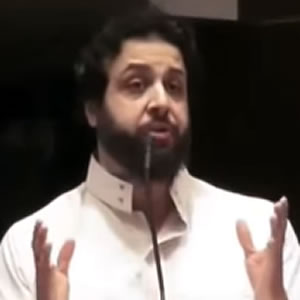 Who is Sadat Anwar? (MEMBER OF Speakers Corner)
A Speakers' Corner is an area where open-air public speaking, debate, and discussion are allowed. The original and most noted is in the north-east corner of Hyde Park in London, England. Speakers here may talk on any subject, as long as the police consider their speeches lawful, although this right is not restricted to Speakers' Corner only. Contrary to popular belief, there is no immunity from the law, nor are any subjects proscribed, but in practice the police intervene only when they receive a complaint. Speakers' Corner is often held up to demonstrate freedom of speech, as anyone can turn up unannounced and talk on almost any subject, although always at the risk of being heckled by regulars.
Who is Ali Dawah? (MEMBER OF Speakers Corner)A Speakers' Corner is an area where open-air public speaking, debate, and discussion are allowed. The original and most noted is in the north-east corner of Hyde Park in London, England. Speakers here may talk on any subject, as long as the police consider their speeches lawful, although this right is not restricted to Speakers' Corner only. Contrary to popular belief, there is no immunity from the law, nor are any subjects proscribed, but in practice the police intervene only when they receive a complaint. Speakers' Corner is often held up to demonstrate freedom of speech, as anyone can turn up unannounced and talk on almost any subject, although always at the risk of being heckled by regulars.
Who is Hashim? (MEMBER OF Speakers Corner)A Speakers' Corner is an area where open-air public speaking, debate, and discussion are allowed. The original and most noted is in the north-east corner of Hyde Park in London, England. Speakers here may talk on any subject, as long as the police consider their speeches lawful, although this right is not restricted to Speakers' Corner only. Contrary to popular belief, there is no immunity from the law, nor are any subjects proscribed, but in practice the police intervene only when they receive a complaint. Speakers' Corner is often held up to demonstrate freedom of speech, as anyone can turn up unannounced and talk on almost any subject, although always at the risk of being heckled by regulars.
Who is Rizwan? (MEMBER OF Speakers Corner)A Speakers' Corner is an area where open-air public speaking, debate, and discussion are allowed. The original and most noted is in the north-east corner of Hyde Park in London, England. Speakers here may talk on any subject, as long as the police consider their speeches lawful, although this right is not restricted to Speakers' Corner only. Contrary to popular belief, there is no immunity from the law, nor are any subjects proscribed, but in practice the police intervene only when they receive a complaint. Speakers' Corner is often held up to demonstrate freedom of speech, as anyone can turn up unannounced and talk on almost any subject, although always at the risk of being heckled by regulars.
Who is Shamsi? (MEMBER OF Speakers Corner)A Speakers' Corner is an area where open-air public speaking, debate, and discussion are allowed. The original and most noted is in the north-east corner of Hyde Park in London, England. Speakers here may talk on any subject, as long as the police consider their speeches lawful, although this right is not restricted to Speakers' Corner only. Contrary to popular belief, there is no immunity from the law, nor are any subjects proscribed, but in practice the police intervene only when they receive a complaint. Speakers' Corner is often held up to demonstrate freedom of speech, as anyone can turn up unannounced and talk on almost any subject, although always at the risk of being heckled by regulars.
 Who is GOD?
In monotheism and henotheism, God is conceived as the Supreme Being and principal object of faith. The concept of God as described by theologians commonly includes the attributes of omniscience (infinite knowledge), omnipotence (unlimited power), omnipresence (present everywhere), omnibenevolence (perfect goodness), divine simplicity, and eternal and necessary existence. In theism, God is the creator and sustainer of the universe In deism, God is the creator, but not the sustainer, of the universe Monotheism is the belief in the existence of one God or in the oneness of God In pantheism, God is the universe itself In atheism, God is purported not to exist, while deemed unknown or unknowable within the context of agnosticism.