0 views
·
Last viewed: 57 years ago
Uploaded: 13 Nov 2026 (3 days ago) · Shared: 16 Nov 2026
Duration: 9:11 ·
Uploaded: 13 Nov 2026 (3 days ago) · Shared: 16 Nov 2026
Duration: 9:11 ·
Youtube Description
Ancient Zoroastrianism and early Christianity share some fascinating historical and theological similarities. From ideas about heaven and hell toangels, demons, and the final judgment, discover the surprising connections between these two ancient religious traditions and how their histories may have intersected.
▶ Latest Videos: https://www.youtube.com/watch?v=v57ZG-uZ0VM&list=UULF2vcjazcVurVmpn5svBRA-Q
#facts #zoroastrianism #christianity
▶ FTD FACTS FACEBOOK: https://www.facebook.com/ftdonline
▶ CHANNEL PRODUCER (Leroy Kenton): https://www.instagram.com/ftdonline/
Explore More
TOPIC Early Christian Zoroastrianism Christianity Zoroastrian ZoroasterSearch Google Search Explore Topics
 What is Early Christian?
Early Christianity, the period of Christianity preceding the First Council of Nicaea in 325 AD. This typically divides historically into the Apostolic Age and the Ante-Nicene Period (from the
Apostolic Age until Nicea). The first Christians, as described in the first chapters of the Book of Acts, were all Jews either by birth or conversion and historians refer to them as Jewish Christians. The early Gospel message spread orally, probably originally in Aramaic, and later in Greek. The New Testament's Acts of the Apostles and Epistle to the Galatians record that the first Christian community centered on Jerusalem and that its leaders included Peter, James, the brother of Jesus, and John the Apostle.
 What is Zoroastrianism?
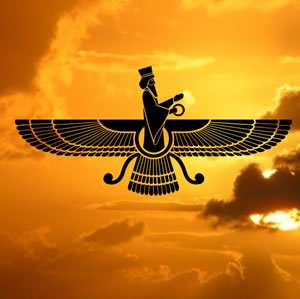
Zoroastrianism is an Iranian religion and one of the world's oldest organized faiths, based on the teachings of the Iranian-speaking prophet Zoroaster. It has a dualistic cosmology of good and evil
within the framework of a monotheistic ontology and an eschatology which predicts the ultimate conquest of evil by good. Zoroastrianism exalts an uncreated and benevolent deity of wisdom known as Ahura Mazda (Lord of Wisdom) as its supreme being. Historically, the unique features of Zoroastrianism, such as its monotheism, belief in free will and judgement after death, conception of heaven, hell, angels, and demons, among other concepts, may have influenced other religious and philosophical systems, including the Abrahamic religions.
 What is Christianity?
Christianity is a global religion centered on the life and teachings of Jesus Christ, who followers believe is the Son of God. It's a monotheistic faith, meaning Christians believe in one God who
exists in three co-equal persons: God the Father, God the Son (Jesus Christ), and the Holy Spirit. Christianity is based on the Bible, with the Old Testament and New Testament serving as sacred texts.
What is Zoroastrian?Zoroastrianism is an Iranian religion and one of the world's oldest organized faiths, based on the teachings of the Iranian-speaking prophet Zoroaster. It has a dualistic cosmology of good and evil
within the framework of a monotheistic ontology and an eschatology which predicts the ultimate conquest of evil by good. Zoroastrianism exalts an uncreated and benevolent deity of wisdom known as Ahura Mazda (Lord of Wisdom) as its supreme being. Historically, the unique features of Zoroastrianism, such as its monotheism, belief in free will and judgement after death, conception of heaven, hell, angels, and demons, among other concepts, may have influenced other religious and philosophical systems, including the Abrahamic religions.
What is Zoroaster?Zoroastrianism is an Iranian religion and one of the world's oldest organized faiths, based on the teachings of the Iranian-speaking prophet Zoroaster. It has a dualistic cosmology of good and evil
within the framework of a monotheistic ontology and an eschatology which predicts the ultimate conquest of evil by good. Zoroastrianism exalts an uncreated and benevolent deity of wisdom known as Ahura Mazda (Lord of Wisdom) as its supreme being. Historically, the unique features of Zoroastrianism, such as its monotheism, belief in free will and judgement after death, conception of heaven, hell, angels, and demons, among other concepts, may have influenced other religious and philosophical systems, including the Abrahamic religions.