720 views
·
Last viewed: 2 hrs ago
Uploaded: 23 Mar 2012 (15 years ago) · Shared: 04 Sep 2015
Duration: 4:45 ·
Uploaded: 23 Mar 2012 (15 years ago) · Shared: 04 Sep 2015
Duration: 4:45 ·
Video Description
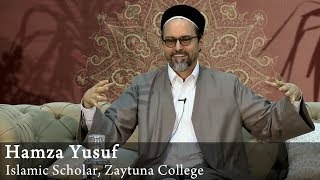
Discover the profound connection between Islam and Christianity as renowned scholar Zaid Shakir explores the shared values, core theology, and rich spiritual heritage uniting these major global faiths. In this insightful discussion, Imam Zaid Shakir highlights the remarkable common ground found within Islamic guidance and Christian traditions, drawing meaningful parallels between the Quran, Bible, and their early history.
Understanding these overlapping roots fosters mutual respect, peace, and interfaith harmony among followers of Islam, Christianity, and Judaism. By exploring foundational principles of devotion, moral conduct, and belief in One God, this video provides valuable spiritual reminders for anyone seeking deeper knowledge of the Abrahamic faiths. Whether you are curious about comparative religion or looking to strengthen interfaith dialogue, learn how the shared teachings of the Quran and Bible continue to inspire millions toward unity, compassion, and divine purpose today.
Explore More
TOPIC Christianity Zaid Shakir Muslim IslamSearch Google Search Explore Topics
 What is Christianity?
Christianity is a global religion centered on the life and teachings of Jesus Christ, who followers believe is the Son of God. It's a monotheistic faith, meaning Christians believe in one God who
exists in three co-equal persons: God the Father, God the Son (Jesus Christ), and the Holy Spirit. Christianity is based on the Bible, with the Old Testament and New Testament serving as sacred texts.
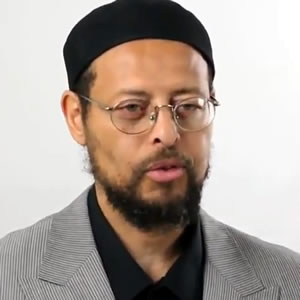 Who is Zaid Shakir?
Zaid Shakir (born Ricky Daryl Mitchell, 1956) is a Muslim American scholar. Shakir is co-founder of Zaytuna College in Berkeley, California. He teaches courses on Arabic, law, history, and Islamic
spirituality. Shakir is co-founder and chairman of United For Change, whose stated goal is to leverage the diversity of the Muslim and interfaith community and address divisive obstacles.
 What is Muslim?
One of the major religions of the world, Islam literally translates to "submission," as a follower of Islam (Muslims) devotes their life to that of their God. The religion began with the teachings of
Muhammad in the 7th century. The theology of Islam is based on the Qur'an, which was given to Muhammad by God. Some of the major fundamental principles of Islam include the Five Pillars, which hope to unite all Muslims into a community. Two different factions of Muslims exist - the majority are known as Sunni, with a small percentage known as Shi'a - both predominantly reside throughout the Middle East.<br><br>
<i class="fa fa-calendar"></i> Muhammad died in 632 AD and the religion of Islam formally started after his death. The Quran was formally compiled and finalised in 650 AD, prior to which it was 'memorised' and written across many parchments.
What is Islam?One of the major religions of the world, Islam literally translates to "submission," as a follower of Islam (Muslims) devotes their life to that of their God. The religion began with the teachings of
Muhammad in the 7th century. The theology of Islam is based on the Qur'an, which was given to Muhammad by God. Some of the major fundamental principles of Islam include the Five Pillars, which hope to unite all Muslims into a community. Two different factions of Muslims exist - the majority are known as Sunni, with a small percentage known as Shi'a - both predominantly reside throughout the Middle East.<br><br>
<i class="fa fa-calendar"></i> Muhammad died in 632 AD and the religion of Islam formally started after his death. The Quran was formally compiled and finalised in 650 AD, prior to which it was 'memorised' and written across many parchments.
 8:30
544 views · 20 secs ago
 19:02
693 views · 20 secs ago
 0:51
993 views · 28 secs ago
 1:50:38
218 views · 35 secs ago
 30:39
314 views · 41 secs ago
 51:19
562 views · 44 secs ago
 13:31
832 views · 45 secs ago
NEWS | 1,725
| Digital archive with evidence on Israel-Gaza war (115,710 videos and 41,203 photos) - Daily Star (July 26) |
| U.N INQUIRY: Israel targeted Gaza children resulting in genocide (20,179 dead) - Reuters (June 26) |
| Death Toll Reporting in Gaza: 26,124 men, 10,328 women, 16,506 children in 18 months - Washington Institute (May 25) |
| BBC gave 'Israel' priority in 94% of interviews, study finds - MEMO |
| Scripture to Screen Reveals Biblical Film Slate Following [...] - Christian News Wire |
| Jesus born of a virgin belief falls below 50% in USA, study [...] - Christian Post |
| Grok A.I affirms Jesus is Son of God - Christian Post |
| Saudi Arabia Sentences Sri Lankan Man to Death for [...] - BBC News |
DATE ORDER ·
0 viewed · 24 hour
ARTICLES | 167

0 viewed · 24 hour
SCRIPTURE | 580
| Torah 5 BOOKS | |
| Psalms 1 BOOK | |
| Old Testament 32 BOOKS | |
| New Testament 27 BOOKS | |
| Apocrypha 1885 14 BOOKS | |
| Gospels/Texts 367 BOOKS | |
| Codex 120 BOOKS | |
| Quran 1 BOOK | |
| Hadith 10 BOOKS |