AL-AQSA DOME OF THE ROCK
This is the third holiest site in Islam. The mosque was built on top of the Temple Mount, known as Haram esh-Sharif in Islam. Muslims believe that Muhammad was transported from the Sacred Mosque in Mecca to al-Aqsa during the Night Journey. Islamic tradition holds that Muhammad led prayers towards this site until the 17th month after his migration from Mecca to Medina, when Allah directed him to turn towards the Kaaba in Mecca.
Photos on Al-aqsa, Dome Of The Rock (15)


Youtube Videos on Al-aqsa, Dome Of The Rock (10)
 Will a Temple be built over
 What events will happen before the Temple is built over the
 Jews disobeyed God. Jews lost the Temple Mount (
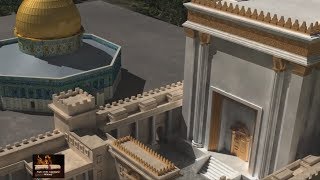 Rabbi Moskoff, Israel's Jewish Third Temple can be built next to
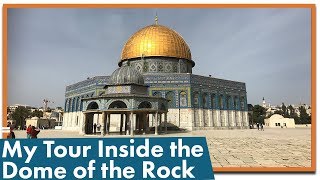 History of
 Inside the
 Hagia Sophia conversion into Mosque from Museum or Imperial Church puts
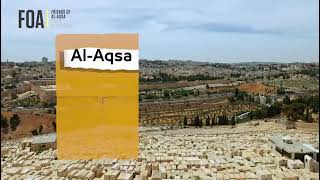 Tour of
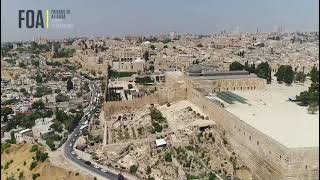 Tour of
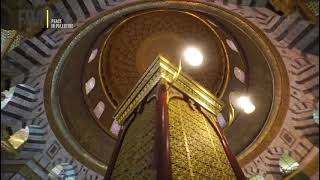 Tour of
FAQ on Al-aqsa, Dome Of The Rock (8)
1.How is Muhammad connected to Dome of the Rock?
The most prominent connection in Islam. Muslims believe the foundation rock inside the shrine marks the spot where Prophet Muhammad ascended to heaven during his miraculous Night Journey (Al-Isra' wal-Mi'raj). Islamic tradition also holds that he led a congregation of earlier prophets in prayer at this location prior to his ascension
2.How is Abraham connected to Dome of the Rock?
Judaic, Christian, and Islamic traditions connect the rock underneath the dome to Mount Moriah, where God tested Abraham by asking him to sacrifice his son (Isaac in Jewish/Christian tradition; Ishmael in Islamic tradition) before intervening.
3.How is David connected to Dome of the Rock?
David brought the Ark of the Covenant to Jerusalem and purchased the threshing floor on Mount Moriah, establishing it as a sacred place for worship.
4.How is Solomon connected to Dome of the Rock?
David's son, King Solomon, built the First Temple over this location. In medieval Christian tradition, the Dome of the Rock was often referred to as Templum Domini (the Temple of the Lord) and thought to stand directly on Solomon's Temple.
5.How is Adam connected to Dome of the Rock?
Traditional lore across early monotheistic texts links the central rock to the creation of Adam, viewing it as the 'Foundation Stone' (Even Shetiyya) from which the world was formed.
6.How is Jesus connected to Dome of the Rock?
Connected through the Islamic belief that he, along with other prophets, were present during Muhammad's prayer prior to his ascension.
7.How is Moses connected to Dome of the Rock?
Connected through the Islamic belief that he, along with other prophets, were present during Muhammad's prayer prior to his ascension.
8.How is Muhammad connected to the Damascus Gate in Jerusalem?
In Islamic tradition, during the Isra and Miraj (the Night Journey), Prophet Muhammad traveled from Mecca to the Al-Aqsa Mosque compound in Jerusalem. While the exact gate through which he entered the city walls is not named in the Quran, regional traditions often associate the northern access from the road to Damascus with the historical approaches into the Old City.