MORALITY
Morality can be a body of standards or principles derived from a code of conduct from a particular philosophy, religion or culture, or it can derive from a standard that a person believes should be universal. Morality may also be specifically synonymous with "goodness" or "rightness".
Youtube Videos on Morality (6)

 Can you arrive at
 Can you arrive at

 Vegetarians lack Objective
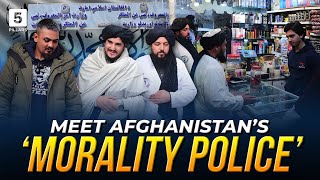 Streets of Kabul, Afghanistan with the
FAQ on Morality (5)
1.What scriptures and wisdom books are attributed to King Solomon?
In biblical tradition, Solomon is credited as the primary author of key books of wisdom literature, including Proverbs, Ecclesiastes, and the Song of Solomon (Song of Songs), containing timeless reflections on righteousness, morality, and life.
2.How can atheists have morality without God or religious law?
Secular morality is driven by humanism, empathy, social cooperation, and consequentialism rather than divine command. Atheists argue that moral codes evolve naturally within societies to protect well-being, minimize suffering, and ensure survival. This viewpoint asserts that true moral actions are performed because of an intrinsic understanding of human suffering and fairness, rather than the expectation of an eternal reward or fear of divine punishment.
3.What is the Quran?
The Quran (also spelled Koran) is the holy book of Islam which Muslims believe to be the literal, verbatim word of God as revealed to the Prophet Muhammad through the Angel Gabriel over a 23-year period. Composed of 114 chapters (surahs), the Quran serves as the ultimate source of theology, law, morality, and daily guidance for over 2 billion Muslims worldwide.
4.Why do some Muslim women wear the Hijab?
In Islam, the word Hijab refers generally to the Islamic practice of modesty, privacy, and morality, and specifically to the headscarf worn by many Muslim women. Women choose to wear the hijab as an act of personal devotion and obedience to the Quranic mandate of modesty. For many, it serves as an expression of their identity, a rejection of societal pressure to commodify women's bodies, and a way to ensure they are judged for their intellect, character, and spiritual value rather than their physical appearance.
5.What are the three core principles of Zoroastrian ethics?
The daily life and morality of a Zoroastrian are summarized by a famous, simple triad of core maxims:
1. Humata (Good Thoughts): Maintaining a pure, positive and rational mindset.
2. Hukhta (Good Words): Speaking truthfully, kindly and constructively.
3. Hvarshta (Good Deeds): Performing unselfish, righteous actions that reduce suffering and improve the world.