CIRCUMCISION
Topical or locally injected anesthesia is sometimes used to reduce pain and physiologic stress. For adults and children, general anesthesia is an option, and the procedure may be performed without a specialized circumcision device. The procedure is most often an elective surgery performed on babies and children, for religious or cultural reasons.
Search Result on 'Circumcision' (17 total)
Youtube Videos on Circumcision (7)
 Why does Islam encourage
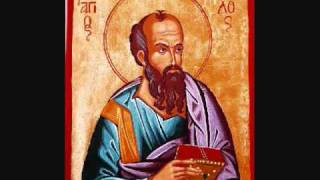
 In Galatians, Apostle Paul orders new Christians abandon
 In 1 Corinthians 7:19, Apostle Paul opposes
 Council of Jerusalem (50 AD) charged Apostle Paul of taking Jews away from established Dietary and
 Female
 Jesus' Jewish identity is evidenced in his Abraham/David lineage,
 Apostle Paul proclaimed Jewish Law insignificant (dietary,
FAQ on Circumcision (6)
1.How did the Early Jewish-Christians practise their religion?
The earliest Jewish-Christians strictly followed traditional Hebrew practices, including daily prayers, circumcision, rituals for purity, fasting, dietary laws, and temple, according to the source material.
2.Why did Christians turn away from the original message of Jesus?
By the time the New Testament Gospels (Mark, Matthew, Luke, John) were compiled, there was a growing movement to frame traditional Jewish practices as obsolete, driven by a desire to break free from strict Mosaic laws like circumcision, ritual purity, and dietary codes, which required portraying Judaism as an inferior path for the new faith to flourish.
3.How was Jesus Jewish?
Jesus fully observed the laws of the Torah, maintained kosher dietary regulations, and never asked his followers to abandon Judaism, as they continued to meet at the Temple and practice circumcision rather than establishing a separate religion or attending a church.
4.How did Apostle Paul break Gods Law?
Paul is described as rejecting the binding authority of the Torah, specifically mandatory male circumcision as an everlasting covenant and laws regarding dietary purity. Thereby breaking away from divine commands given to the Hebrew people.
5.Why was male circumcision so important?
According to Genesis 17:9-14, God established male circumcision as an everlasting token of the divine covenant with Abraham and his descendants, decreeing that any uncircumcised male soul would be completely cut off from his people for breaking the covenant. Because Jesus and all his original disciples were circumcised, this commandment is a serious matter.
6.What was Apostle Paul's view on circumcision?
Paul considered the physical act of circumcision to be unimportant, prioritizing faith and adherence to God's commandments as more significant than the physical ritual.