ZOROASTRIAN ZOROASTER ZOROASTRIANISM
It has a dualistic cosmology of good and evil within the framework of a monotheistic ontology and an eschatology which predicts the ultimate conquest of evil by good. Zoroastrianism exalts an uncreated and benevolent deity of wisdom known as Ahura Mazda (Lord of Wisdom) as its supreme being. Historically, the unique features of Zoroastrianism, such as its monotheism, belief in free will and judgement after death, conception of heaven, hell, angels, and demons, among other concepts, may have influenced other religious and philosophical systems, including the Abrahamic religions.
Search Result on 'Zoroastrianism' (26 total)
FAQ on Zoroastrianism, Zoroastrian, Zoroaster (15)
1.What is Zoroastrianism and who is its founder?
Zoroastrianism is one of the world's oldest continuously practiced monotheistic religions. It was founded in ancient Iran (Persia) by the prophet Zarathustra (known in Greek as Zoroaster) during the late second or early first millennium BCE.
2.Who is the supreme god in Zoroastrianism?
The supreme creator god in Zoroastrianism is Ahura Mazda, which translates to 'Wise Lord.' He is viewed as all-good, omniscient, and the source of all light, truth, and order in the universe.
3.What are the core beliefs of Zoroastrianism?
The religion centers on cosmic dualism between truth (Asha) and falsehood (Druj). Followers believe in free will, moral accountability, and a simple ethical motto: 'Good Thoughts, Good Words, Good Deeds' (Humata, Hukhta, Huvarshta).
4.What is the holy book of Zoroastrianism?
The primary sacred text of Zoroastrianism is the Avesta. It contains liturgical texts, hymns, and prayers, the oldest and most important of which are the Gathas—a collection of hymns composed directly by Zarathustra.
5.How has Zoroastrianism influenced major world religions?
Historians and theologians note that Zoroastrianism deeply influenced Judaism, Christianity, and Islam. Key concepts such as an ultimate good versus evil (God vs. Satan), heaven and hell, a messianic figure, a final judgment, and bodily resurrection originated or were heavily shaped within Zoroastrian thought.
6.How do Zoroastrians view the afterlife?
Zoroastrian eschatology teaches that after death, the soul crosses the Chinvat Bridge (the Bridge of the Requiter). Righteous souls cross safely into paradise, while wicked souls fall into a temporary state of punishment before a final renewal and cleansing of the universe.
7.Is Zoroastrianism a dying religion?
Zoroastrianism is one of the smallest major religions, with an estimated global population numbering around 100,000 to 140,000 adherents. Due to low birth rates, emigration, and traditional restrictions on proselytizing or accepting converts, the community faces ongoing concerns regarding cultural preservation and population decline.
8.Do Bahais believe in Jesus, Muhammad, and Buddha?
Yes. Bahais believe in a concept called Progressive Revelation. This teaches that God has sent various divine educators throughout history including Abraham, Krishna, Moses, Zoroaster, Buddha, Jesus, and Muhammad to guide humanity's spiritual evolution. Bahais view these figures as originating from the same divine source, each serving a specific stage in human development.
9.What is Zoroastrianism and how did it start?
Zoroastrianism is one of the world's oldest continuously practiced monotheistic religions, originating in ancient Persia (modern-day Iran) roughly 3,500 years ago. It was founded by the prophet Zoroaster (Zarathustra), who rejected the existing polytheistic Iranian religions after receiving a series of divine visions. He taught that there is only one supreme, benevolent creator god, radically shaping the development of future Abrahamic religions like Judaism, Christianity, and Islam.
10.Who is the main god in Zoroastrianism?
The supreme creator god of Zoroastrianism is Ahura Mazda, which translates to 'Wise Lord'. He is believed to be omniscient, completely benevolent, unchanging, and the source of all cosmic order, truth, and light. Ahura Mazda is not locked in an equal power struggle with evil; rather, Zoroastrian theology teaches that His ultimate goodness will inevitably triumph over darkness at the end of time.
11.What is the fundamental battle between good and evil in Zoroastrianism?
Zoroastrian philosophy is famously dualistic, centering on a continuous moral and cosmic battle:
* Asha (Truth, Order, and Goodness): Directed by Ahura Mazda and supported by the Amesha Spentas (Holy Immortals).
* Druj (Chaos, Deceit, and Evil): Spearheaded by Angra Mainyu (also known as Ahriman), the destructive spirit who introduces suffering, disease, and death into the world.
Human beings are viewed as vital active combatants in this war, possessing free will to choose between light and darkness.
12.What are the three core principles of Zoroastrian ethics?
The daily life and morality of a Zoroastrian are summarized by a famous, simple triad of core maxims:
1. Humata (Good Thoughts): Maintaining a pure, positive and rational mindset.
2. Hukhta (Good Words): Speaking truthfully, kindly and constructively.
3. Hvarshta (Good Deeds): Performing unselfish, righteous actions that reduce suffering and improve the world.
13.What is the Avesta and what language is it written in?
The Avesta is the primary collection of sacred texts and scriptures in Zoroastrianism. It contains hymns, laws, rituals, and prayers used by the priesthood and laypeople. The most sacred core of the text consists of the Gathas - seventeen divine hymns composed directly by the prophet Zoroaster himself. The scriptures are written in Avestan, an ancient Indo-Iranian language closely related to Vedic Sanskrit.
14.What is the meaning of the Faravahar symbol?
The Faravahar is the most universally recognized symbol of Zoroastrianism and Persian identity. It depicts a bearded man rising from a winged disc. While its exact historical interpretations vary, it is widely believed to symbolize the Fravashi - the personal guardian spirit and divine spark within every human soul. The three layers of feathers on the wings represent Good Thoughts, Good Words, and Good Deeds, while the tail feathers represent the need to leave bad thoughts and choices behind.
15.Did Zoroastrianism influence Christianity and Judaism?
Yes, Zoroastrianism heavily influenced the theological architecture of Judaism, Christianity, and Islam. Following the Babylonian Exile, when Cyrus the Great of Persia liberated the Jewish people, core Zoroastrian concepts integrated into second-temple Jewish thought. These foundational ideas include a linear view of time, a final judgment day, a cosmic savior figure, a strict binary heaven and hell, and a personified adversary of God (Satan). Furthermore, the biblical 'Magi' who visited the infant Jesus were explicitly Zoroastrian astrologer-priests.
Youtube Videos on Zoroastrianism, Zoroastrian, Zoroaster (10)
 Zoroastrianism influenced Judaism, Christianity and Islam - Shabbir Ally
4:03 882 views
|
 What Is Zoroastrianism?
17:31 152 views
|
 Zoroastrian - An Introduction to the Oldest Religion
23:20 291 views
|
 What is Zoroastrianism? | Let's Talk Religion
1:22:21 252 views
|
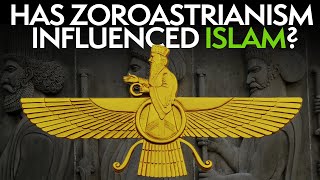 Did Arabs copy into Islam Zoroastrian beliefs, rituals and texts? | HistoryUN
25:29 472 views
|
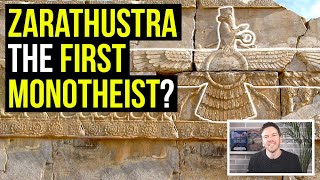 Zoroaster, the first Monotheist Prophet from 1500 BC | Stephans History
29:31 466 views
|
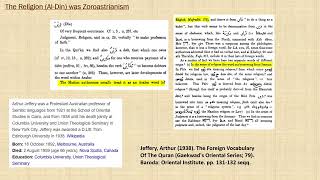 Influence of Persia and Zoroastrianism on Islam | Abu Al Haqq
8:38 263 views
|
 Virgin Births of Plato, Dionysus, Romeus, Augustus, Zoroaster, Horus, Buddha, Krishna, Mithra and Jesus | Adam Elmasri
16:31 277 views
|
 Did Islam Copy from Zoroastrianism? | Shabir Ally
7:19 18 views
|
 Zoroaster MIGHT Be a Prophet of God | Shabir Ally
0:53 42 views
|