The New Testament Bible was debated for over 300 years following Jesus' Cruxifixion.
The canon of the New Testament is a set of books Christians regard as divinely inspired and constituting the New Testament of the Christian Bible. Historically, there was major disagreement over which books to include and exclude ('Apocrypha') from the New Testament Bible. This conflict raged on in the Church councils and synods between Church fathers.Diversity in early Christianity meant each church had their own unique version of Christian beliefs and rituals. No single version of Christianity or Christian scripture was universally accepted until much later.
After much debate, the New Testament Bible canon was officially announced in 397 AD at the Council of Carthage (Tunisia); 367 years after Jesus' crucifixion.
SELECT A TAB TO VIEW
| NEW TESTAMENT | BIBLE CANON | ||||
| Muratorian 170 AD |
Codex Sinaiticus 360 AD |
Peshitta 460 AD |
Vulgate 420 AD |
King James KJV 1611 AD |
|
| Matthew | |||||
| Mark | |||||
| Luke | |||||
| John | |||||
| Acts | |||||
| Romans | |||||
| 1 Corinthians | |||||
| 2 Corinthians | |||||
| Galatians | |||||
| Ephesians | |||||
| Philippians | |||||
| Colossians | |||||
| 1 Thessalonians | |||||
| 2 Thessalonians | |||||
| 1 Timothy | |||||
| 2 Timothy | |||||
| Titus | |||||
| Philemon | |||||
| Hebrews | • | ||||
| James | • | ||||
| 1 Peter | • | ||||
| 2 Peter | • | • | |||
| 1 John | |||||
| 2 John | • | ||||
| 3 John | • | • | |||
| Jude | • | ||||
| Revelation | • | ||||
| APOCRYPHA | |||||
| Apocrypha are texts written of unknown authorship or of doubtful origin. The term 'Apocrypha' commonly appears in Christian religious contexts concerning disagreements about biblical canonicity. | |||||
| Gospel of Thomas | • | • | • | • | • |
| Gospel of Truth | • | • | • | • | • |
| Gospel of the Twelve | • | • | • | • | • |
| Gospel of Peter | • | • | • | • | • |
| Gospel of Basilides | • | • | • | • | |
| Gospel of the Egyptians | • | • | • | • | • |
| Gospel of the Hebrews | • | • | • | • | • |
| Gospel of Matthias | • | • | • | • | • |
| Traditions of Matthias | • | • | • | • | • |
| Preaching of Peter | • | • | • | • | • |
| Acts of Andrew | • | • | • | • | • |
| Acts of Paul | • | • | • | • | • |
| Acts of John | • | • | • | • | • |
| Epistle to the Laodiceans | • | • | • | ||
| 1 Clement | • | • | • | • | • |
| Epistle of Barnabas | • | • | • | • | |
| Didache | • | • | • | • | • |
| Shepherd of Hermas | • | • | • | ||
| Apocalypse of Peter | • | • | • | • | |
| NEW TESTAMENT | CHURCH FATHER (1-6) | |||||
| Ignatius 35-107 AD |
Polycarp 69-155 AD |
Marcion 85-160 AD |
Valentinus 100-160 AD |
Justin Martyr 100-165 AD |
Irenaeus 140-202 AD |
|
| Mark | • | • | ||||
| Matthew | ||||||
| Luke | ||||||
| John | • | • | ||||
| Acts | • | • | ||||
| Romans | • | |||||
| 1 Corinthians | • | |||||
| 2 Corinthians | • | • | ||||
| Galatians | • | • | ||||
| Ephesians | • | |||||
| Philippians | • | • | ||||
| Colossians | • | • | ||||
| 1 Thessalonians | • | • | ||||
| 2 Thessalonians | • | • | • | |||
| 1 Timothy | • | • | • | |||
| 2 Timothy | • | • | • | |||
| Titus | • | • | • | • | ||
| Philemon | • | • | • | • | • | |
| Hebrews | • | • | • | • | ||
| James | • | • | • | • | • | |
| 1 Peter | • | • | • | |||
| 2 Peter | • | • | • | • | • | • |
| 1 John | • | • | • | |||
| 2 John | • | • | • | • | • | |
| 3 John | • | • | • | • | • | |
| Jude | • | • | • | • | • | • |
| Revelation | • | • | • | |||
| APOCRYPHA | ||||||
| Apocrypha are texts written of unknown authorship or of doubtful origin. The term 'Apocrypha' commonly appears in Christian religious contexts concerning disagreements about biblical canonicity. | ||||||
| Gospel of Thomas | • | • | • | • | • | • |
| Gospel of Truth | • | • | • | • | ||
| Gospel of the Twelve | • | • | • | • | • | • |
| Gospel of Peter | • | • | • | • | • | • |
| Gospel of Basilides | • | • | • | • | • | • |
| Gospel of the Egyptians | • | • | • | • | • | • |
| Gospel of the Hebrews | • | • | • | • | • | • |
| Gospel of Matthias | • | • | • | • | • | • |
| Traditions of Matthias | • | • | • | • | • | • |
| Preaching of Peter | • | • | • | • | • | |
| Acts of Andrew | • | • | • | • | • | • |
| Acts of Paul | • | • | • | • | • | • |
| Acts of John | • | • | • | • | • | • |
| Epistle to the Laodiceans | • | • | • | • | • | • |
| 1 Clement | • | • | • | • | • | |
| Epistle of Barnabas | • | • | • | • | • | • |
| Didache | • | • | • | • | • | • |
| Shepherd of Hermas | • | • | • | • | • | |
| Apocalypse of Peter | • | • | • | • | • | • |
| NEW TESTAMENT | CHURCH FATHER (7-12) | |||||
| Clement 150-215 AD |
Tertullian 155-240 AD |
Origen 184-253 AD |
Eusebius 260-340 AD |
Athanasius 1 296-373 AD |
Didymus 313-398 AD |
|
| Mark | ||||||
| Matthew | ||||||
| Luke | ||||||
| John | ||||||
| Acts | ||||||
| Romans | ||||||
| 1 Corinthians | ||||||
| 2 Corinthians | ||||||
| Galatians | ||||||
| Ephesians | ||||||
| Philippians | ||||||
| Colossians | ||||||
| 1 Thessalonians | ||||||
| 2 Thessalonians | ||||||
| 1 Timothy | ||||||
| 2 Timothy | ||||||
| Titus | ||||||
| Philemon | • | • | ||||
| Hebrews | ||||||
| James | • | • | ||||
| 1 Peter | ||||||
| 2 Peter | • | • | ||||
| 1 John | ||||||
| 2 John | • | • | ||||
| 3 John | • | • | ||||
| Jude | ||||||
| Revelation | ||||||
| APOCRYPHA | ||||||
| Apocrypha are texts written of unknown authorship or of doubtful origin. The term 'Apocrypha' commonly appears in Christian religious contexts concerning disagreements about biblical canonicity. | ||||||
| Gospel of Thomas | • | • | • | • | ||
| Gospel of Truth | • | • | • | • | • | • |
| Gospel of the Twelve | • | • | • | • | • | |
| Gospel of Peter | • | • | • | • | ||
| Gospel of Basilides | • | • | • | • | • | |
| Gospel of the Egyptians | • | • | • | • | ||
| Gospel of the Hebrews | • | • | ||||
| Gospel of Matthias | • | • | • | • | ||
| Traditions of Matthias | • | • | • | • | • | |
| Preaching of Peter | • | • | • | • | ||
| Acts of Andrew | • | • | • | • | • | |
| Acts of Paul | • | • | • | |||
| Acts of John | • | • | • | • | • | |
| Epistle to the Laodiceans | • | • | • | • | • | • |
| 1 Clement | • | • | • | |||
| Epistle of Barnabas | • | • | ||||
| Didache | • | |||||
| Shepherd of Hermas | ||||||
| Apocalypse of Peter | • | • | • | • | ||
| NEW TESTAMENT | CHURCH COUNCIL | ||
| Apostolic Canon c. 400 AD |
Council Laodicea c. 364 AD |
Council Carthage c. 397 AD |
|
| Matthew | |||
| Mark | |||
| Luke | |||
| John | |||
| Acts | |||
| Romans | |||
| 1 Corinthians | |||
| 2 Corinthians | |||
| Galatians | |||
| Ephesians | |||
| Philippians | |||
| Colossians | |||
| 1 Thessalonians | |||
| 2 Thessalonians | |||
| 1 Timothy | |||
| 2 Timothy | |||
| Tito (Titus) | |||
| Philemon | |||
| Hebrews | |||
| James | |||
| 1 Peter | |||
| 2 Peter | |||
| 1 John | |||
| 2 John | |||
| 3 John | |||
| Jude | |||
| Apocalypsis | • | • | |
| 1 Epis Cl | • | • | |
| 2 Epis Cl | • | • | |
| 1 Clement | • | • | |
| 2 Clement | • | • | |
| 3 Clement | • | • | |
| 4 Clement | • | • | |
| 5 Clement | • | • | |
| 6 Clement | • | • | |
| 7 Clement | • | • | |
| 8 Clement | • | • | |
Total Books |
36 |
26 |
27 |
1 Athanasius' letter is the earliest authoritative statement to fix the Christian New Testament Bible as we know it today. Source: http://www.christianitytoday.com/history/issues/issue-28/367-athanasius-defines-new-testament.html
TABLE KEY
CREDIT
https://en.wikipedia.org/wiki/Orthodox_Tewahedo_biblical_canon
http://www.ntcanon.org/table.shtml
http://www.earlychristianhistory.info/canon.html
http://unveiling-christianity.net/2009/08/23/whose-canon-is-divinely-inspired/
http://www.bible.ca/ef/topical-the-earliest-new-testament-manuscripts.htm
http://www.truthnet.org/Bible-Origins/8_Transmission-of-the-Old-Testament/index.htm
http://www.islamic-awareness.org/Bible/Text/Canon/canonages.html
https://docslide.us/documents/anke-wanger-canon-in-the-eotc.html
155-bible-canons-nta
| Author: Guest • Updated: 13 Aug 2026 • 20,086 views | 11 hrs ago |
Explore More
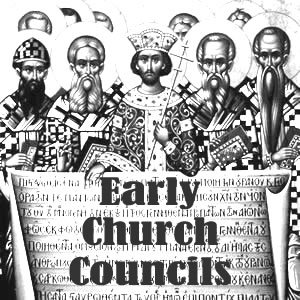 What is Church Council?
A Council, Church Council or Synod is a council of a church, usually convened to decide an issue of doctrine, administration or application. The word synod means "assembly" or "meeting", and it is synonymous with the Latin word concilium meaning "council". Originally, synods were meetings of
bishops, and the word is still used in that sense in Catholicism, Oriental Orthodoxy and Eastern Orthodoxy. In modern usage, the word often refers to the governing body of a particular church, whether its members are meeting or not.