
Live Screenshot
Source link:
https://www.bbc.co.uk/news/av/world-europe-52157131/coronavirus-russia-uses-facial-recognition-to-tackle-covid-19Published by: BBC NEWS on 4 Apr 2020
1335 views · Last view: 22 hrs ago
News Text (from BBC NEWS)
This video can not be played As Russian cities go into lockdown to try to contain coronavirus, Moscow is using the latest technology to keep track of residents. City officials are using a giant network of tens of thousands of cameras - installed with facial recognition software - which they planto couple with digital passes on people’s mobile phones. It’s prompted concern about whether such widespread surveillance will ever be rolled back.
Sarah Rainsford explains how the system works in her own Moscow neighbourhood.
Explore More
TOPIC Coronavirus BBC News Russia COVID BBCSearch Google Search Explore Topics
 What is Coronavirus?
Coronaviruses are a group of viruses that cause diseases in mammals and birds. In humans, coronaviruses cause respiratory tract infections that are typically mild, such as the common cold, though
rarer forms such as SARS, MERS, and COVID-19 can be lethal. Symptoms vary in other species: in chickens, they cause an upper respiratory tract disease, while in cows and pigs they cause diarrhea. There are yet to be vaccines or antiviral drugs to prevent or treat human coronavirus infections.
 Who are the BBC News?
The British Broadcasting Corporation (BBC) is a British public service broadcaster. Its headquarters are at Broadcasting House in Westminster, London and it is the world's oldest national broadcasting
organisation and the largest broadcaster in the world by number of employees. It employs over 20,950 staff in total.
 What is Russia?
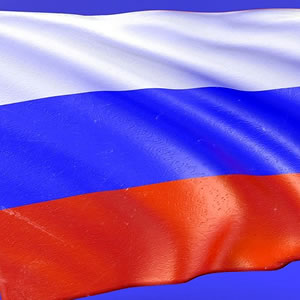
Russia, officially the Russian Federation is a transcontinental country in Eastern Europe and North Asia. At 17,125,200 square kilometres (6,612,100 sq mi), Russia is by a considerable margin the
largest country in the world by area, covering more than one-eighth of the Earth's inhabited land area, and the ninth most populous, with about 146.77 million people as of 2019, including Crimea. About 77% of the population live in the western, European part of the country. Russia's capital, Moscow, is one of the largest cities in the world and the second largest city in Europe.
What is COVID?Coronaviruses are a group of viruses that cause diseases in mammals and birds. In humans, coronaviruses cause respiratory tract infections that are typically mild, such as the common cold, though
rarer forms such as SARS, MERS, and COVID-19 can be lethal. Symptoms vary in other species: in chickens, they cause an upper respiratory tract disease, while in cows and pigs they cause diarrhea. There are yet to be vaccines or antiviral drugs to prevent or treat human coronavirus infections.
Who are the BBC?The British Broadcasting Corporation (BBC) is a British public service broadcaster. Its headquarters are at Broadcasting House in Westminster, London and it is the world's oldest national broadcasting
organisation and the largest broadcaster in the world by number of employees. It employs over 20,950 staff in total.
 7:29
811 views · 11 secs ago
 9:29
609 views · 15 secs ago
 11:27
397 views · 16 secs ago
 1:51
482 views · 50 secs ago





 33:28
666 views · 2 mins ago
 1:08:31
418 views · 3 mins ago
 1:03:39